
OpenAI is developing a social media platform similar to Elon Musk’s X, according to multiple sources familiar with the project.
The app is still in early stages, but an internal prototype already exists. It features a social feed connected to ChatGPT’s image generation tools.
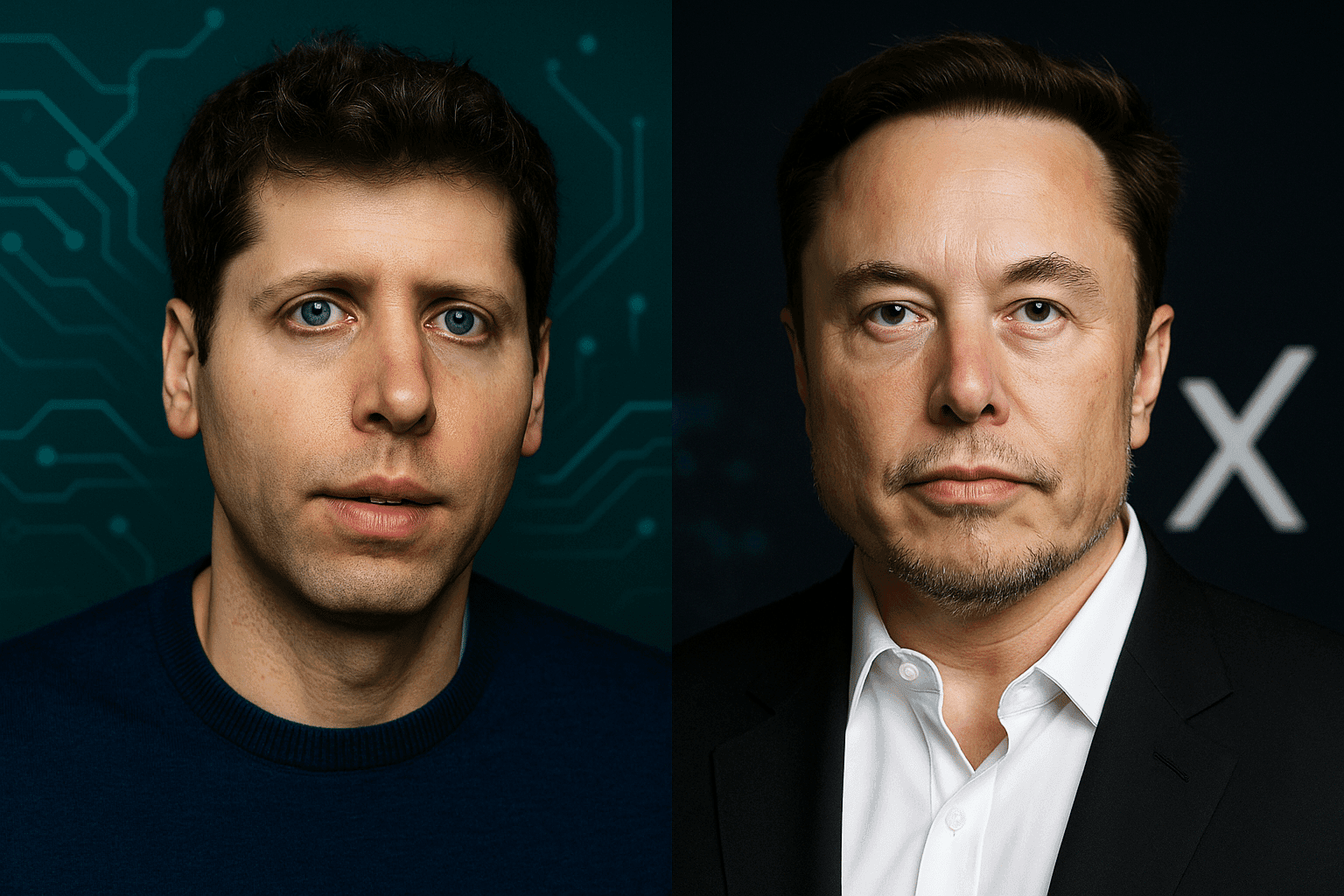
CEO Sam Altman has been testing the idea and asking external contacts for feedback.
It’s not yet clear whether the social network will be a standalone app or integrated into ChatGPT, which was the most downloaded app globally last month.
But the move would mark OpenAI’s biggest product expansion to date—and a direct challenge to both X and Meta.
ok fine maybe we’ll do a social app https://t.co/663VkHN4qB
— Sam Altman (@sama) February 27, 2025
AI Meets Social Media
The prototype includes a feed where users can share AI-generated content. The concept appears to be aimed at helping users create and share better posts using ChatGPT’s generative tools.
The potential benefits for OpenAI go beyond user engagement. A social platform would give the company direct access to real-time user data, something Meta and X already use to train their AI models.
This would be a major step forward in helping OpenAI improve its own large language models, which currently rely on licensed or static data.
Rivalries and Market Moves
If OpenAI launches a social network, it will increase tension with Elon Musk. Earlier this year, Musk offered to buy OpenAI for $97.4 billion. Altman declined and replied publicly: “No thank you, but we will buy Twitter for $9.74 billion if you want.”
Musk has since merged his company xAI with X and integrated his chatbot Grok into the platform.
Grok pulls content directly from X, giving Musk’s AI efforts an edge with fresh, real-time data. Meta, meanwhile, is building a new AI assistant with its own social feed.
OpenAI entering the same space would make it a direct competitor to both.
Why This Matters
Social networks are key sources of real-time human behavior and language, critical inputs for training advanced AI models. Meta uses data from Facebook and Instagram for its Llama models. Musk uses X to power Grok.
OpenAI currently lacks its own user-driven content stream. A social app would change that. It would also give users a new way to interact with AI, not just one-on-one, but as part of a larger, public conversation.
One insider from another AI company said, “The Grok integration with X has made everyone jealous. Especially how users use it to generate viral posts.”
Next Steps for OpenAI
There’s no timeline for release, and the project could still be shelved. But its existence shows OpenAI is serious about expansion—and about gaining the kind of data advantage that its rivals already have.
OpenAI is also trying to stay ahead of Meta, which is preparing its own AI-powered social tools. If OpenAI can leverage its already massive ChatGPT user base, it could gain a significant lead in the market.
What You Can Do Now
Use AI tools to create content. ChatGPT and DALL·E are already popular. If a social feature is added, early adopters will benefit.
Watch for changes in the ChatGPT app. New features may appear without formal announcements.
Consider how a new platform could shift your audience strategy. Meta and X might not be the only games in town much longer.
Think about how real-time AI interaction could change your workflow. OpenAI is aiming to make content creation faster and smarter.
Stay updated. If OpenAI moves fast, this feature could launch in 2025.
Key Takeaways
- OpenAI is working on a social network with a ChatGPT-based content feed.
- The prototype is internal and still being tested.
- CEO Sam Altman has privately asked for feedback from outsiders.
- The platform would compete directly with X and Meta.
- It would also give OpenAI valuable real-time user data to improve its models.

Dileep Thekkethil
AuthorDileep Thekkethil is the Director of Marketing at Stan Ventures, where he applies over 15 years of SEO and digital marketing expertise to drive growth and authority. A former journalist with six years of experience, he combines strategic storytelling with technical know-how to help brands navigate the shift toward AI-driven search and generative engines. Dileep is a strong advocate for Google’s EEAT standards, regularly sharing real-world use cases and scenarios to demystify complex marketing trends. He is an avid gardener of tropical fruits, a motor enthusiast, and a dedicated caretaker of his pair of cockatiels.
