
Google has officially announced a significant upgrade to its popular PageSpeed Insights tool. This change marks the beginning of the end for the classic Lighthouse-based performance audits we have all come to know and sometimes struggle with.
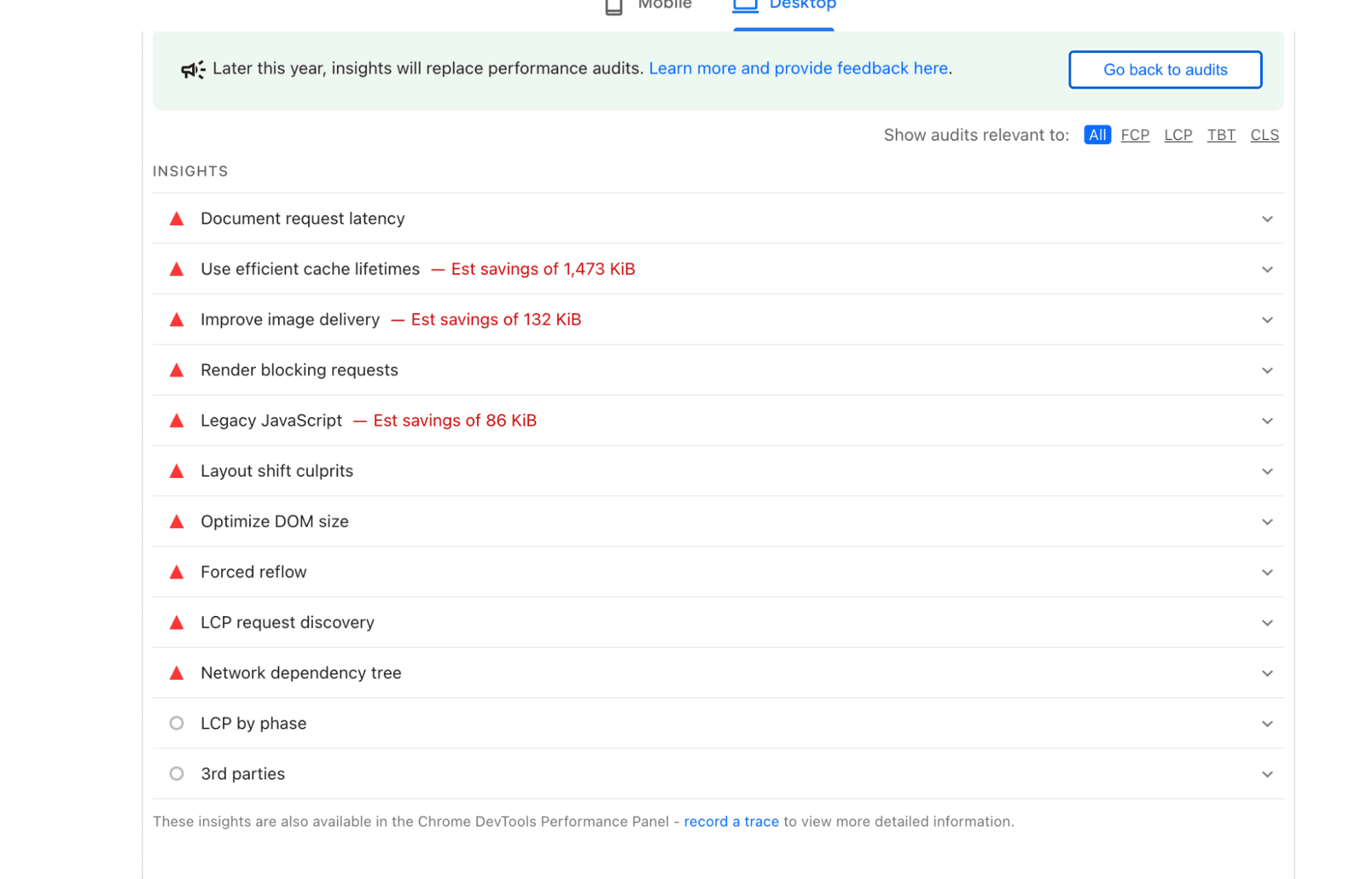
Instead, Google is shifting toward a smarter, more user-friendly model called “Insights” which is designed to deliver clear, contextual and actionable recommendations.
The updated experience is expected to roll out later this year and it promises to be a game-changer for developers, marketers and website owners alike.
A Shift Toward Contextual Recommendations
If you have ever opened PageSpeed Insights and been greeted by a wall of red flags and technical metrics, you are not alone. While the current system is immensely powerful, it often feels more like reading a developer’s debug console than a tool that empowers site managers every day.
That is exactly what Google is aiming to fix.
A bold message now appears on the PageSpeed Insights page:
“Later this year, insights will replace performance audits.”
This is not just a cosmetic upgrade; it represents a fundamental philosophical shift.
Google is moving away from overwhelming technical analysis and toward streamlined, real-world recommendations that make sense not just to developers but also to marketers, SEOs and decision-makers.
From Red Flags to Readable Fixes
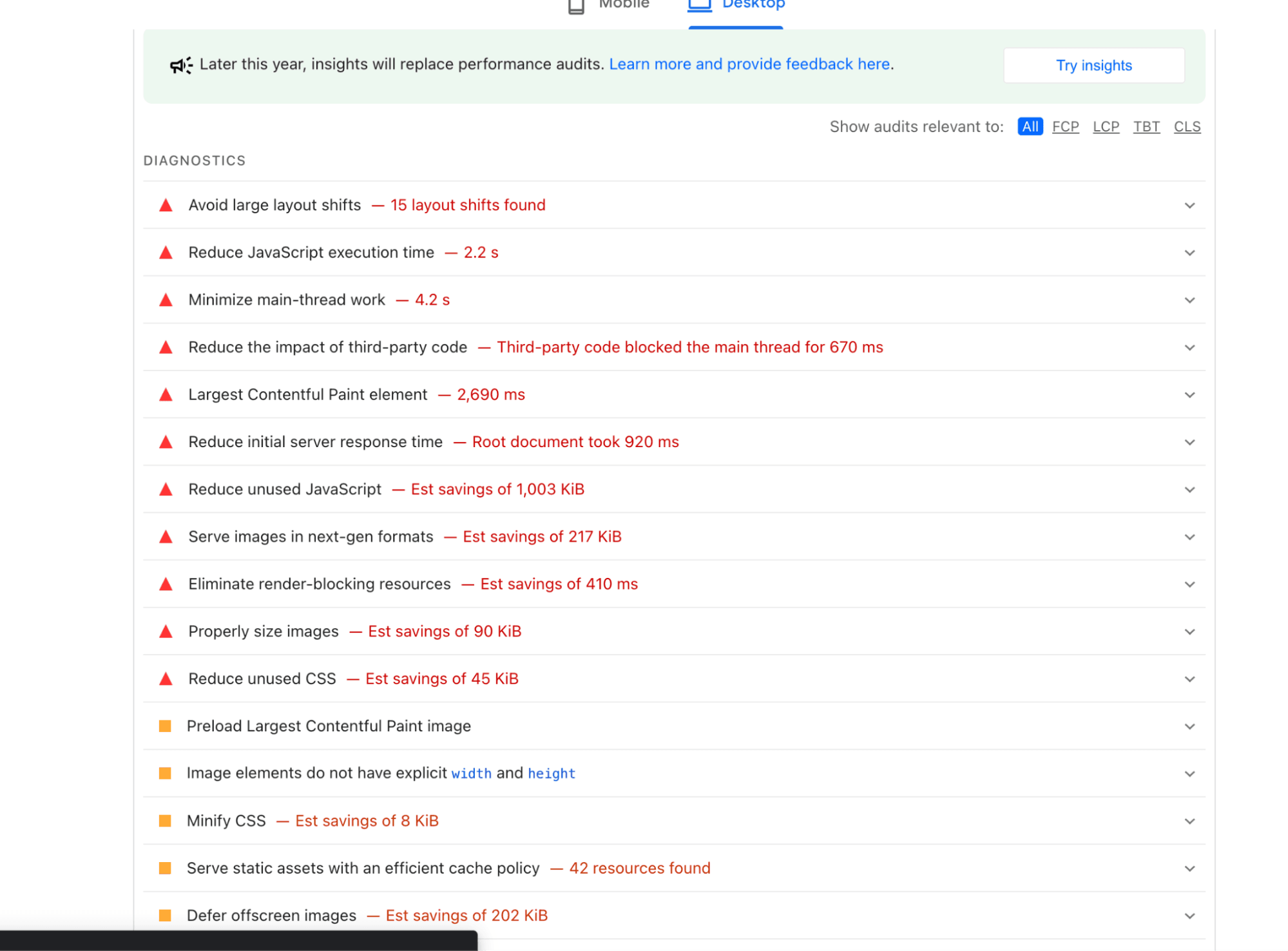
Currently, the audits dashboard includes a barrage of red flags for mobile performance like:
- Render-blocking resources
- Main-thread blocking time
- Poor cache policies
- Unoptimized JavaScript
- Layout shifts
- A delayed Largest Contentful Paint
- Total page weight exceeding
While these diagnostics are invaluable for developers and they can be overwhelming or opaque to marketers, business owners and content teams.
The upcoming Insights update is expected to reorganize this data into clearer, prioritized guidance with estimated impact scores and visual summaries.
Why It Matters for Website Owners
With Core Web Vitals (LCP, FID, CLS) playing a growing role in SEO and user experience, Google’s revamped Insights tool reflects its continued push to make performance optimization more accessible to everyone, not just developers.
Website owners can now expect:
- Focused recommendations tied to Core Web Vitals
- “Quick win” highlights that drive fast improvements
- Real-world performance data derived from actual user sessions
- A clearer sense of which fixes will have the most impact
What You Can Do Now
For site managers seeing performance alerts like “avoid serving legacy JavaScript,” “defer offscreen images” or “optimize CSS delivery,” this shift may simplify the path forward.
However, developers and technical SEOs should not worry about advanced audits and raw performance traces will still be accessible via Chrome DevTools, Lighthouse CLI and CrUX dashboards.
A Glimpse Into the Future
As Google prepares for this transition, a “Try Insights” button is already available for some users, which gives an early preview of the new experience.
Ultimately, Google’s revamp of PageSpeed Insights is more than a UI update. It is a philosophical change that recognizes the varied personas using web performance tools and an invitation to make speed, efficiency and UX a team-wide initiative.

Dileep Thekkethil
AuthorDileep Thekkethil is the Director of Marketing at Stan Ventures, where he applies over 15 years of SEO and digital marketing expertise to drive growth and authority. A former journalist with six years of experience, he combines strategic storytelling with technical know-how to help brands navigate the shift toward AI-driven search and generative engines. Dileep is a strong advocate for Google’s EEAT standards, regularly sharing real-world use cases and scenarios to demystify complex marketing trends. He is an avid gardener of tropical fruits, a motor enthusiast, and a dedicated caretaker of his pair of cockatiels.
