
Google co-founder Sergey Brin recently shared some eye-opening insights into how artificial intelligence (AI) is fundamentally reshaping search.
And it is not just about making things faster and more innovative. This is about transforming the very core of search which means from simply retrieving links to actually understanding and synthesizing information from thousands of sources.
Something that would have taken any of us days or weeks to do manually.
These insights come during an in-depth conversation at “All-In Live from Miami podcast” where Brin reflected not only on Google’s past but on the future it is actively creating.
And what he shared? It is a massive leap forward in how humans will interact with the world’s information.
AI Search- From 10 Links to 1,000 Synthesized Answers
Let us start with the main headline: Google’s AI can now analyze and synthesize the top 1,000 search results not just the usual top 10 links and then go a step further by performing follow-up searches, reading deeply and summarizing that knowledge for the user.
Think about that for a second
If you have ever tried to research a complex topic, let’s say comparing renewable energy investments globally you typically go through several articles, open 15 tabs, skim headlines, read abstracts, dig into data and maybe note things down.
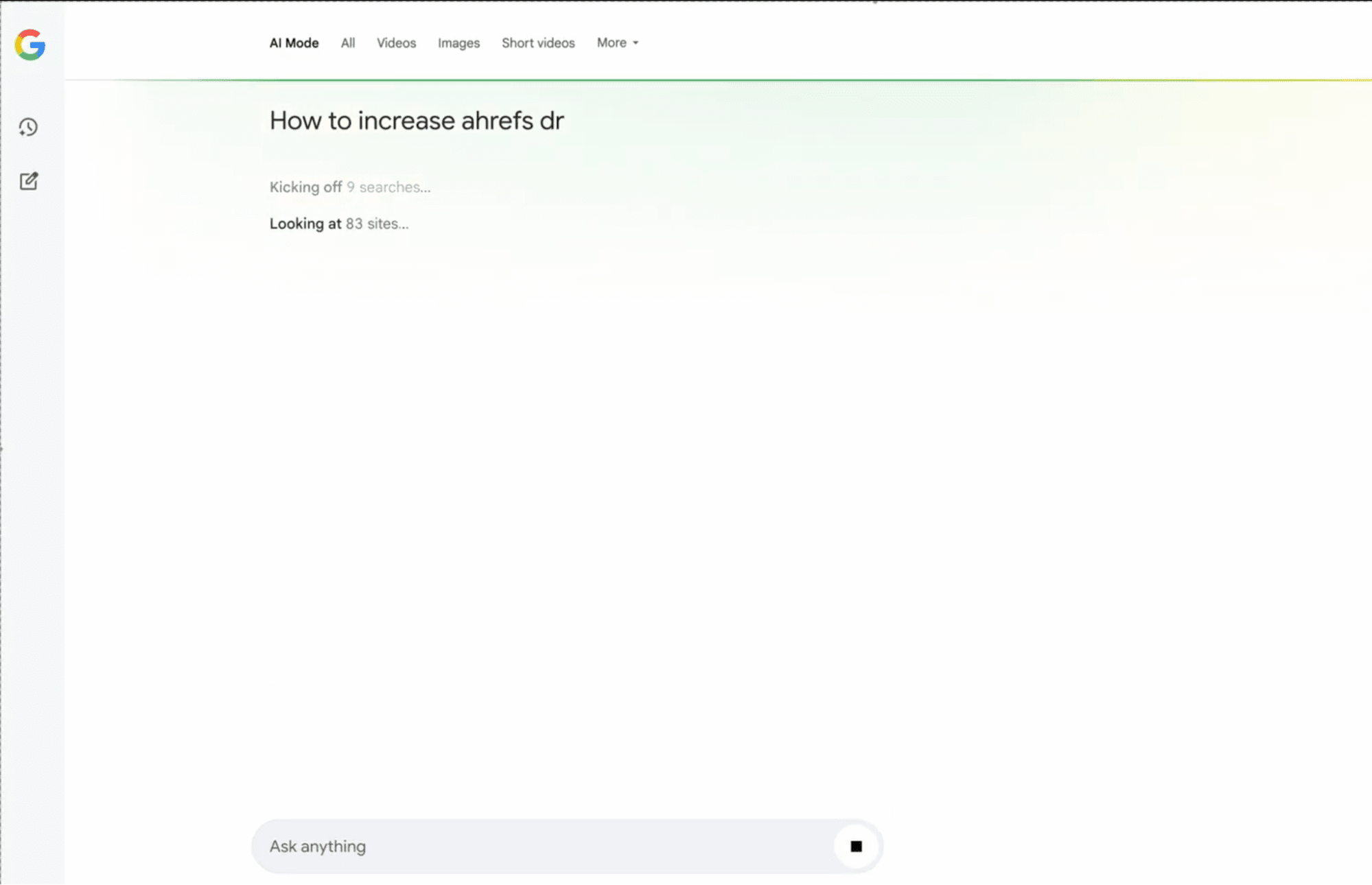
That process could take days to feel like you have a comprehensive understanding. Now imagine an AI doing all of that in minutes and giving you a cohesive summary of actionable insights.
As Brin put it, “If it sucks down the top 1,000 results and then does follow-on searches for each of those and reads them deeply, that’s a week of work for me. I can’t do that.” But AI can.
Google News
AI Can Now “Synthesize” Top 1,000 Search Results!
Sergey Brin Goes On Record
May 2025
“You know, things have been more converging. And, this is sort of broadly through across machine learning. I mean, you used to have all kinds of different kinds of models and… pic.twitter.com/iFrCRqijS2
— Media Man Int (@mediamanint) May 27, 2025
Machine Learning Models Are Converging
If you are a tech enthusiast or just curious about what is under the hood, Brin’s comments about machine learning models converging are worth noting.
He explained that earlier, Google’s systems relied on multiple specialized models: convolutional neural networks for vision, recurrent neural networks (RNNs) for speech, etc.
But now, almost everything is shifting to Transformers, the architecture that powers most of today’s advanced AI which includes ChatGPT and Google’s Gemini.
This convergence means Google is moving toward one unified model that can handle everything including text, speech, vision and even audio rather than juggling multiple engines for different tasks.
Key Technical Shift:
- Old approach: Multiple specialized models for different tasks
- New approach: Unified transformer-based models learning and performing across domains
And that is a huge step forward. Why?
Because integrating learning from specialized models into a general model increases efficiency, speeds up development and leads to more cohesive user experiences.
Brin said it best: “After we do that, take those learnings and basically put that capability into a general model.”
From Google Glass to Future Interfaces
Now, let’s zoom into a slightly futuristic part of the conversation: Google Glass. Remember those smart glasses that never really took off?
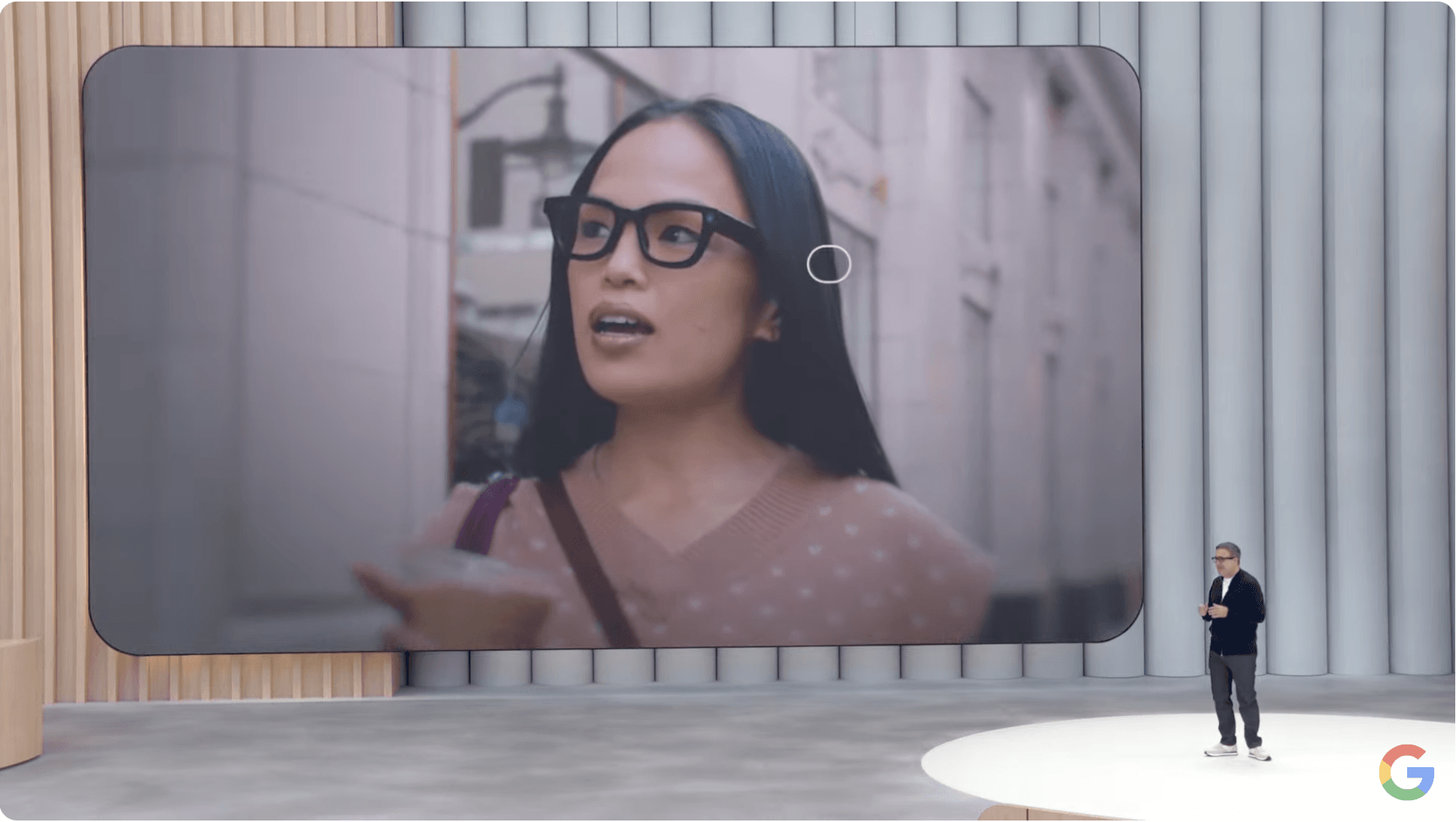
Brin admitted: “Yeah, I kind of messed that up. I’ll be honest. Got the timing totally wrong.”
But here is the twist: he still believes in the vision, especially now that technology has caught up. Google is actively working on multimodal interfaces where you can interact with AI using both visual and audio inputs.
Imagine pointing your phone at a dish and asking, “How do I cook this?” or wearing glasses that translate signs in real-time. There are challenges like Battery life. That is what stands between us and mainstream adoption of these always-on, always-listening AI interfaces.
Watch this 👉 Sergey Brin, Google Co-Founder | All-In Live from Miami
Will AI Replace Traditional Search?
So, is this the end of traditional search as we know it?
Not quite — but it is certainly evolving.
Brin described a paradigm shift in how we use search. It is no longer just about retrieving information; it is about interpreting and summarizing it.
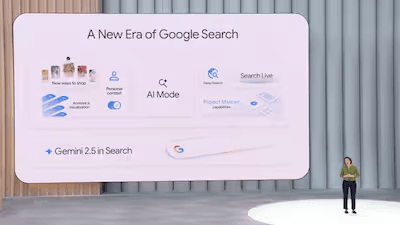
The search engine is not just showing you where to go but it is doing the digging, reading and thinking for you.
He contrasted this with what humans can do: “By default when you use some of our AI systems, it’ll suck down whatever top ten search results and kind of pull out what you need… But if it sucks down the top 1,000 results and does follow-on searches, that’s a superpower.”
AI and the Realities of Voice Interaction
Voice input is becoming more efficient, but Brin does not think it is the final frontier.
“We have big open shared offices. So during work I can’t really use voice mode too much… I would get its output in my headphones, but if I want to speak to it, then everybody’s listening to me.” Brin added.
Fair point. Not everyone wants their coworkers hearing them say “Hey Google, summarize this legal case.”
While voice AI is powerful (and getting faster), the social and privacy context will determine how widely it is used in professional environments. For now, chat-based AI interfaces seem more practical.
What About Advertising and Access?
Another fascinating topic was how AI tools will be monetized.
- Currently, Google’s AI offerings have a free tier without ads but Brin hinted that this might not last forever at least not for the most advanced models.
- He sees a future where the latest generation models remain premium, while older versions become freely available to the public.
His words: “Every time we have gone forward a generation, the new free tier is usually as good as the previous pro tier and sometimes better.”
Brin doesn’t dismiss AI advertising altogether but clarifies that it won’t compromise the quality of user experience.
What’s The Future of AI According to Google’s Sergey Brin
When asked what AI will look like in 10 years, Brin kept it real: “It’s very hard.”
And he is not wrong. Things are moving so fast that even tech leaders are cautious about predictions. With terms like AGI (Artificial General Intelligence) and the Singularity being thrown around, it’s tough to understand.
According to Bring: Technology is accelerating so fast that forecasting even 5–10 years ahead is tough. But if current trends are any indication, we are looking at a future where AI doesn’t just assist with search, it becomes our primary research assistant, translator, analyst and more.
So, What Does This All Mean?
Google is not just adding AI to search but it is completely changing how search works. Instead of just showing you a list of links, AI helps by gathering information from thousands of sources and giving you clear, smart answers.
It is like search is becoming a thinking partner, not just a tool.
We are still at the beginning of this journey but as Sergey Brin explained, the progress is real and happening fast. The future of search won’t be just ten blue links anymore. It will be about getting direct answers, understanding the context and gaining insights.

Dileep Thekkethil
AuthorDileep Thekkethil is the Director of Marketing at Stan Ventures, where he applies over 15 years of SEO and digital marketing expertise to drive growth and authority. A former journalist with six years of experience, he combines strategic storytelling with technical know-how to help brands navigate the shift toward AI-driven search and generative engines. Dileep is a strong advocate for Google’s EEAT standards, regularly sharing real-world use cases and scenarios to demystify complex marketing trends. He is an avid gardener of tropical fruits, a motor enthusiast, and a dedicated caretaker of his pair of cockatiels.
