
The European Commission has escalated its scrutiny of Google, accusing the tech giant of violating the Digital Markets Act (DMA).
The charges claim the tech giant has used its dominance to stifle competition, particularly in search rankings and app store policies.
Will this case lead to a more competitive and transparent internet, or is it the beginning of a prolonged legal battle with uncertain outcomes?
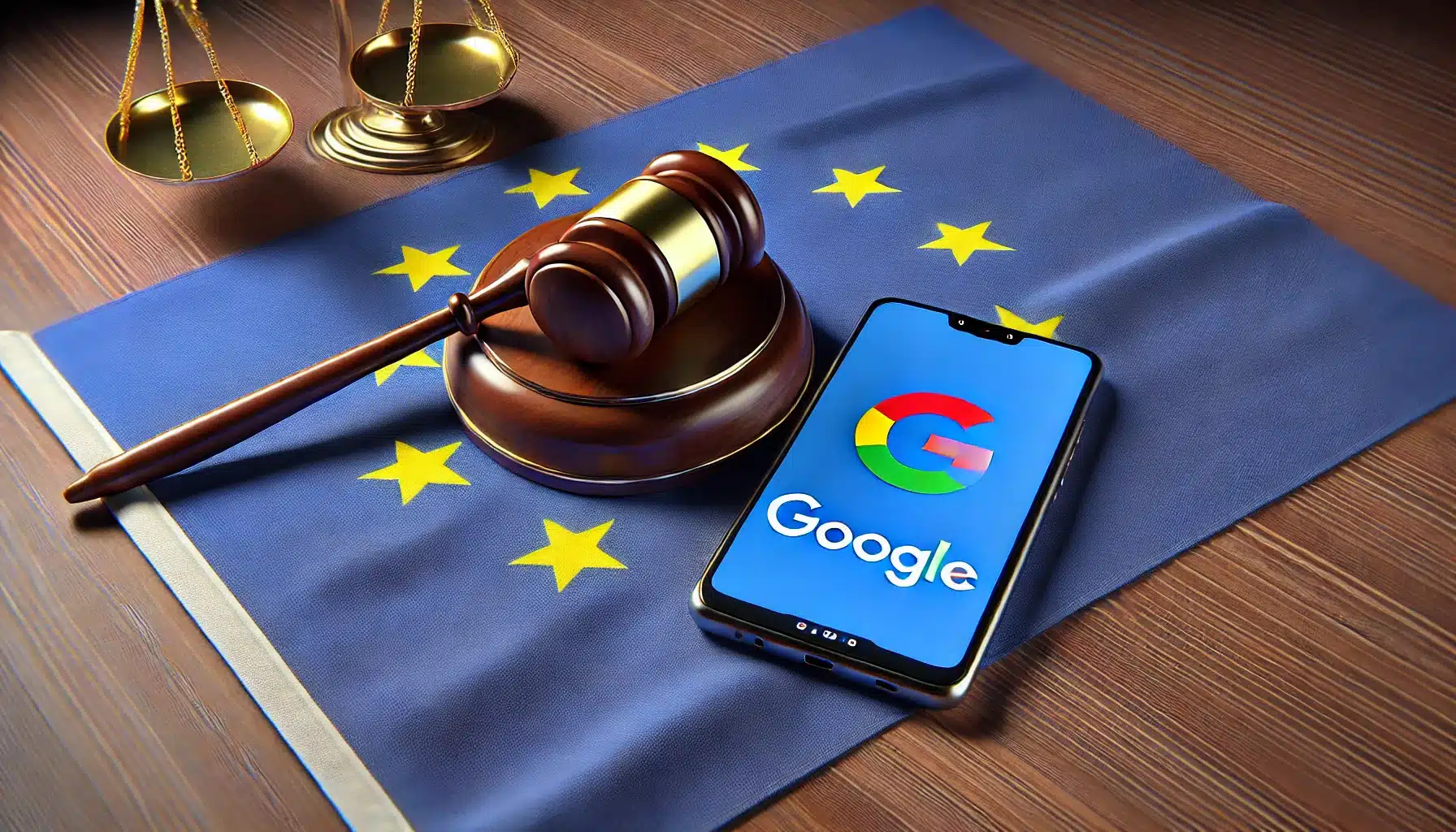
A Clash Between Regulators and Tech Titans
In its preliminary findings, the European Commission asserts that Google has engaged in anti-competitive behavior in two critical areas: search result favoritism and restrictions on app developers.
The allegations suggest that Google prioritizes its own services—such as Google Shopping, Flights, and Hotels—over third-party competitors.
Additionally, the Commission argues that Google Play unfairly limits developers from directing users to alternative platforms for better pricing and payment options.
These claims highlight concerns among European regulators that Google’s market dominance stifles competition, creating barriers for smaller players in the digital economy.
If enforced, these findings could reshape how businesses compete in search rankings and app distribution.
The Search Bias Allegations: Leveling the Playing Field?
Google has been refining its search algorithm for years, claiming to enhance user experience. However, the EU remains unconvinced, stating that Google’s own services receive an unfair advantage in search rankings.
Regulators point out that Google’s features often appear in prime real estate at the top of search results with enhanced visual elements that competitors lack.
This brings up questions like: If Google is forced to change its ranking system, will independent businesses gain more visibility? Could comparison sites finally compete on an even footing with Google’s own travel and shopping platforms?
A shift in search algorithms could lead to increased organic visibility for businesses that previously struggled against Google’s preferred services.
Innovation vs. Regulation
Google has swiftly refuted the Commission’s findings. In a blog post, Senior Director of Competition Oliver Bethell warned that these regulatory measures could harm European businesses and consumers.
Google argues that restricting its ability to integrate specialized search results could lead to less efficient user experiences and even higher costs for consumers.
Google also defends its Play Store policies, asserting that its payment system helps maintain security by protecting users from malware and fraud.
The company claims that any forced changes might reduce security protections and increase vulnerabilities within the Android ecosystem.
What This Means for Businesses and Marketers
If the EU’s findings hold and Google is required to make adjustments, the digital marketing landscape could see notable shifts:
- More organic visibility: Third-party travel, shopping, and financial services may gain more prominent positions in search results.
- Reduced Google dominance: Expect fewer Google-owned services monopolizing top-ranking spots, potentially benefiting independent businesses.
- New app revenue models: Developers may be able to guide users to alternative payment methods, avoiding hefty Google Play commissions.
- Legal precedents: This case could set a regulatory tone for other markets, prompting further scrutiny of Big Tech practices globally.
Potential Consequences for Google
If Google fails to comply with the DMA, the consequences could be severe. The company faces fines of up to 10% of its global annual revenue—an amount that could reach tens of billions of dollars.
Such financial stakes might push Google to adjust its practices to avoid prolonged legal battles and financial penalties.
Beyond the monetary impact, Google’s reputation and business model could take a hit.
A forced restructuring of its search algorithms and app marketplace policies would represent one of the most significant regulatory interventions against a tech giant in recent history.
What Comes Next?
The European Commission’s findings represent a major step forward in the ongoing conversation between regulators and dominant tech companies firms.
Businesses, app developers, and marketers should prepare for potential shifts in digital strategies, particularly in SEO and app monetization.
Google will likely appeal the findings, prolonging the legal and regulatory process. However, if the DMA enforcement proceeds as planned, the digital marketplace could witness increased competition and greater transparency, potentially benefiting both consumers and smaller businesses.
At present, all attention is focused on how Google will respond—and whether this case establishes a precedent for global regulatory action against Big Tech.
Key Takeaways
- The European Commission has accused Google of breaking the Digital Markets Act by favoring its own services in search results and restricting app developers.
- If the ruling is enforced, third-party sites could gain more visibility, reducing Google’s dominance in areas like travel, shopping, and financial services.
- Google Play’s payment policies may change, allowing developers to direct users to alternative platforms without high commission fees.
- This case could set a precedent for other countries, with regulators in the U.S., UK, and beyond considering similar actions against Big Tech.
- If Google doesn’t comply, it could face fines of up to 10% of its global annual revenue.

Dileep Thekkethil
AuthorDileep Thekkethil is the Director of Marketing at Stan Ventures, where he applies over 15 years of SEO and digital marketing expertise to drive growth and authority. A former journalist with six years of experience, he combines strategic storytelling with technical know-how to help brands navigate the shift toward AI-driven search and generative engines. Dileep is a strong advocate for Google’s EEAT standards, regularly sharing real-world use cases and scenarios to demystify complex marketing trends. He is an avid gardener of tropical fruits, a motor enthusiast, and a dedicated caretaker of his pair of cockatiels.
