
Ranking on Google is not what it used to be. With the rise of AI Overviews and Google’s AI Mode, creators, publishers and SEO professionals are asking the most burning question: “How do I stay visible in a search landscape powered by artificial intelligence?”
A recent guideline officially released by Google and authored by John Mueller has laid out key strategies to ensure your content performs well across its growing AI-driven experiences. If you think it is just about keywords or backlinks then think again.
According to recent data from BrightEdge, it is reported that an estimated 84% of queries on Google Search are influenced by generative AI, particularly through Google’s Search Generative Experience (SGE).
But how can you future-proof your content and build trust in a search ecosystem?
The Big Update: Content Must Now Do More Than Rank—It Must Resonate
Google has officially stated that success in AI search experiences begins with unique, valuable and people first content. Gone are the days when keyword-stuffed and generic articles could sneak their way up the rankings.
As Google explains, the core goal remains unchanged: help people find “outstanding, original content that adds unique value.”
Shaun Anderson, a key voice in the SEO industry, added on X:
“Focus on making unique, non-commodity content that visitors from Search and your own readers will find helpful and satisfying. Then you’re on the right path for success with our AI search experiences, where users are asking longer and more specific questions .”
— Shaun Anderson (@Hobo_Web) May 21, 2025
“Focus on making unique, non-commodity content that visitors from Search and your own readers will find helpful and satisfying. Then you’re on the right path for success with our AI search experiences, where users are asking longer and more specific questions.”
Users are no longer entering basic terms like “best marketing strategy” well they are asking things like, “What’s the most ROI-driven B2B marketing strategy for a bootstrapped SaaS?”
And this is where your content needs to show up.
1. Focus on Unique, Valuable Content for People—not Just Algorithms
Let’s be honest that many of us at some point, optimized content more for bots than for people. But in the AI-first world of Search, Google focuses on what it has always claimed: write for humans.
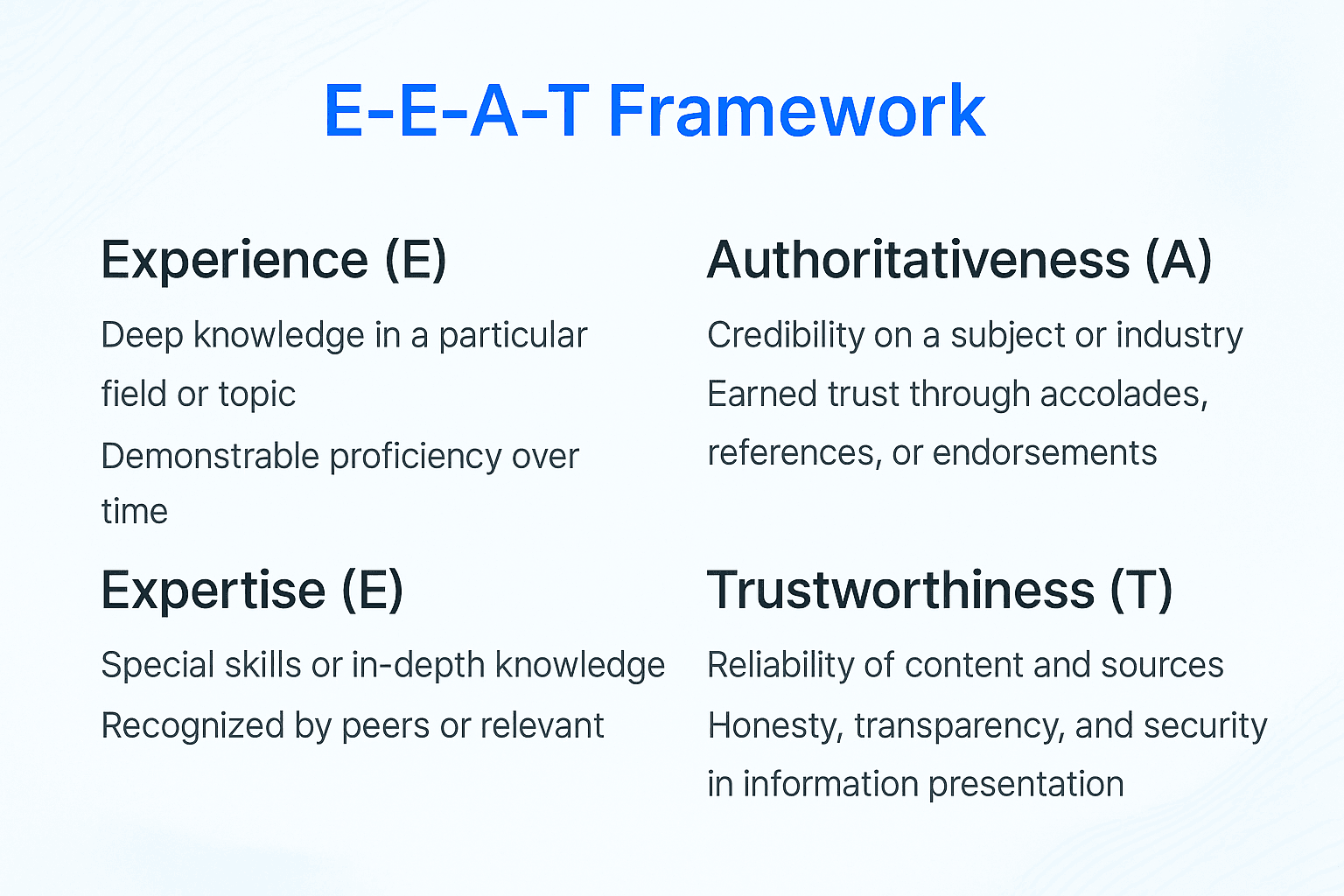
As per Google Guidelines it is clear that:
- Avoid content that regurgitates facts available everywhere.
- Answer specific questions users might actually have.
- Focus on expertise, depth and originality.
How do you know if your content passes the “value” test? Ask yourself: “Is this something only my brand could have written?” For example: a SaaS founder sharing their exact playbook for scaling to $1M ARR is far more unique than a 500-word article titled “5 Ways to Grow a SaaS Company.”
2. Great Content Needs a Great Page Experience.
You have nailed the content but what about the delivery? Google reminds us that page experience still matters a lot. A recent Web.dev benchmark found that sites with load times under 2.5 seconds saw 24% higher engagement than slower ones.
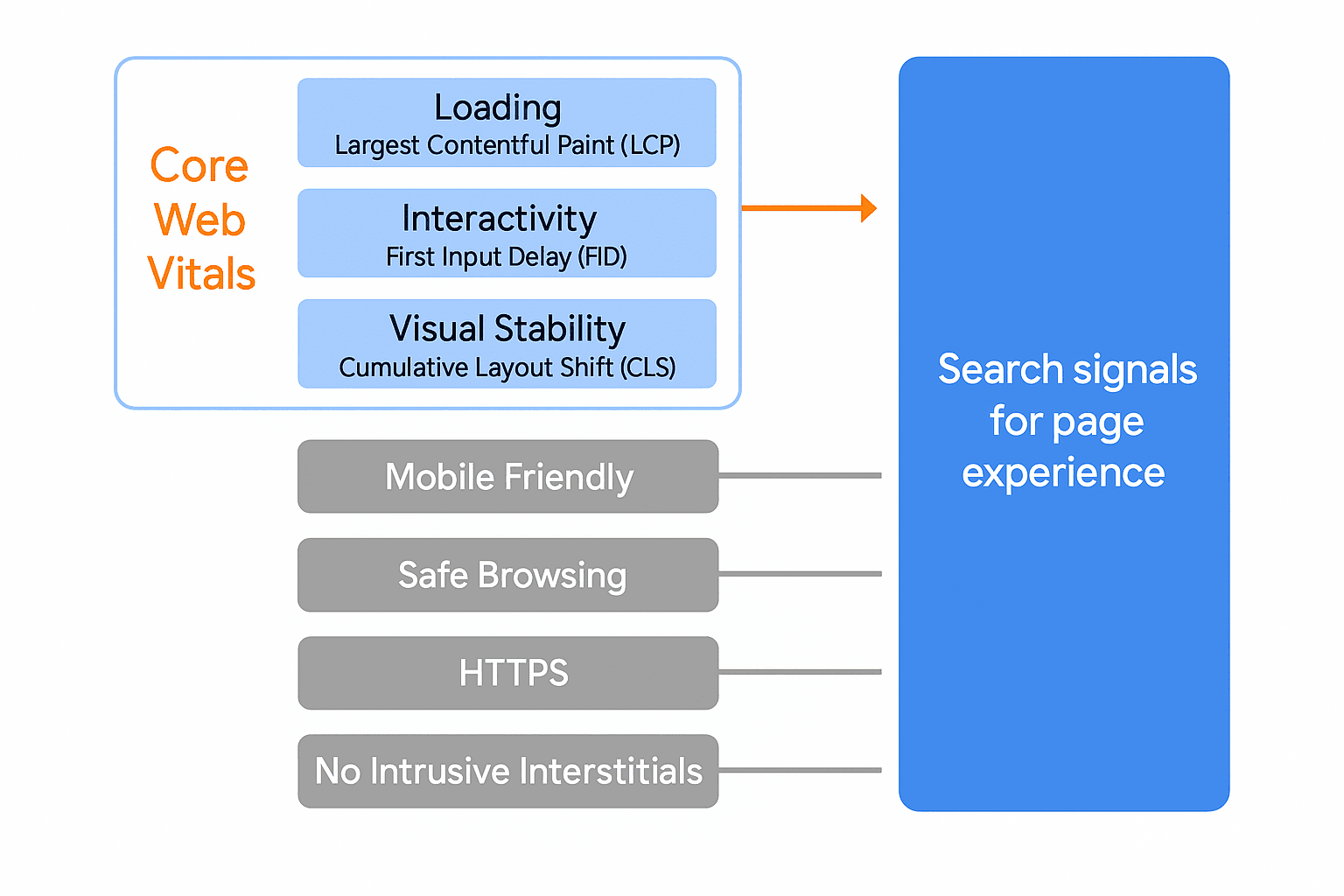
Visitors must be able to:
- Easily find your main content
- Navigate your page without friction
- Access content cleanly on mobile, desktop, and tablet
- Experience low latency and clutter-free design
Let’s say a user lands on your site via an AI Overview looking for “how to build a content strategy for LinkedIn.” If they are met with pop-ups, autoplay videos or a cluttered layout, they will bounce.
Worse? Google notices and your AI visibility can drop.
3. Google Needs to Access Your Content. Are You Letting It?
It may sound too technical but it is important. Google reiterates that your content must be crawlable, indexable and error free for AI experiences to surface it.
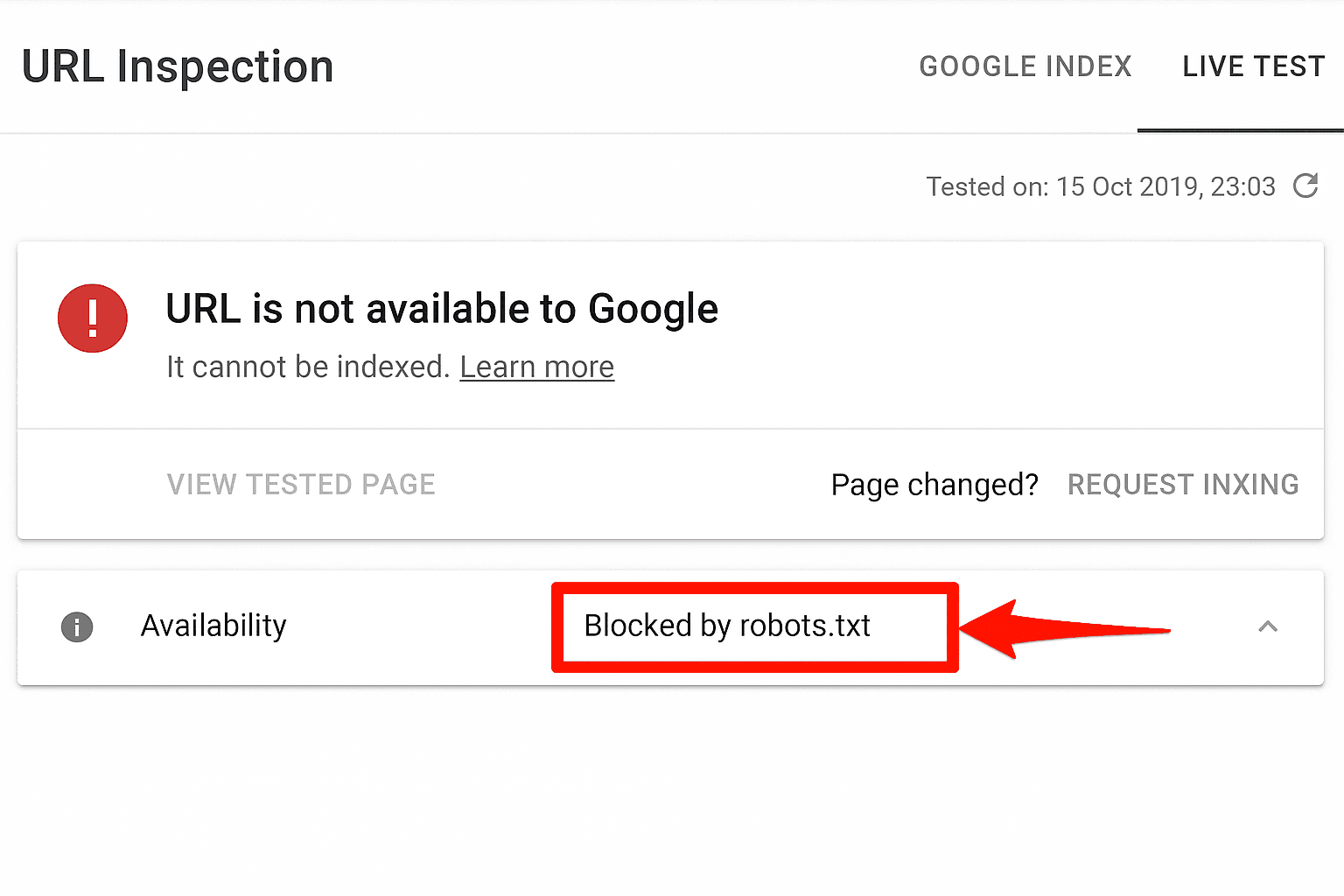
- Your page returns an HTTP 200 (success) code
- Googlebot is not blocked in your robots.txt
- Your main content is not hidden behind logins or scripts
- There is clear and indexable HTML content
4. Use Preview Controls to Manage Visibility but Wisely
Google has introduced more ways for site owners to control how much of their content appears in AI Overviews.
- nosnippet or data-nosnippet to hide specific content
- max-snippet to set character limits
- noindex to remove pages entirely from Search
Using these too restrictively might mean missing out on AI-driven traffic. Google warns that content restricted from snippets might not appear in AI formats at all.
5. Structured Data Should Reflect What’s on the Page
The other tip that Google focous on is: if you are using structured data (like Schema markup), make sure it matches your visible content.
For example, if your structured data says you offer “24/7 customer service” but your site says “Mon-Fri support only” that mismatch can hurt your eligibility for AI features.
Instead follow Google advice to use tools like Rich Results Test to validate and match every claim in markup with real, visible information.
6. Go Beyond Text Because It’s Time to Get Multimodal
Google is now enabling users to perform multimodal queries including uploading images, snapping photos and asking questions based on visual context.
This means your content must evolve too.
Let’s say you sell handmade furniture. A blog post about “how to choose the perfect coffee table” is helpful. But pairing it with images, product videos and visual comparisons? That is what makes it AI-search-ready.
Google recommends:
- High-quality images (with proper alt-text)
- Explainer videos embedded on product/service pages
- Updated Merchant Center and Business Profile info
7. Understand the Full Value of Your Traffic
One of the most interesting insights Google shared is this: clicks from AI Overviews may be fewer but they are higher quality.
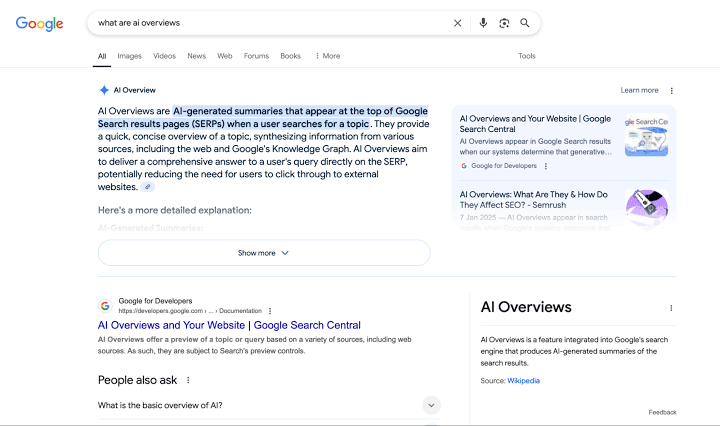
Why? Because AI results give users more context before clicking. These visitors are more likely to spend time on your website, explore multiple pages and take meaningful actions including signup and purchase.
Evolve With Search Because It’s Always Evolving
The real message behind Google sharing all these strategies means search will never stop evolving and neither should you.
Google concludes its announcement with a hopeful tone:
“We hope these tips help you succeed with great content in both our classic and AI search results.”

Dileep Thekkethil
AuthorDileep Thekkethil is the Director of Marketing at Stan Ventures, where he applies over 15 years of SEO and digital marketing expertise to drive growth and authority. A former journalist with six years of experience, he combines strategic storytelling with technical know-how to help brands navigate the shift toward AI-driven search and generative engines. Dileep is a strong advocate for Google’s EEAT standards, regularly sharing real-world use cases and scenarios to demystify complex marketing trends. He is an avid gardener of tropical fruits, a motor enthusiast, and a dedicated caretaker of his pair of cockatiels.
