Websites using image streaming could lose their images from Google Search entirely, according to a new warning from Google’s John Mueller.
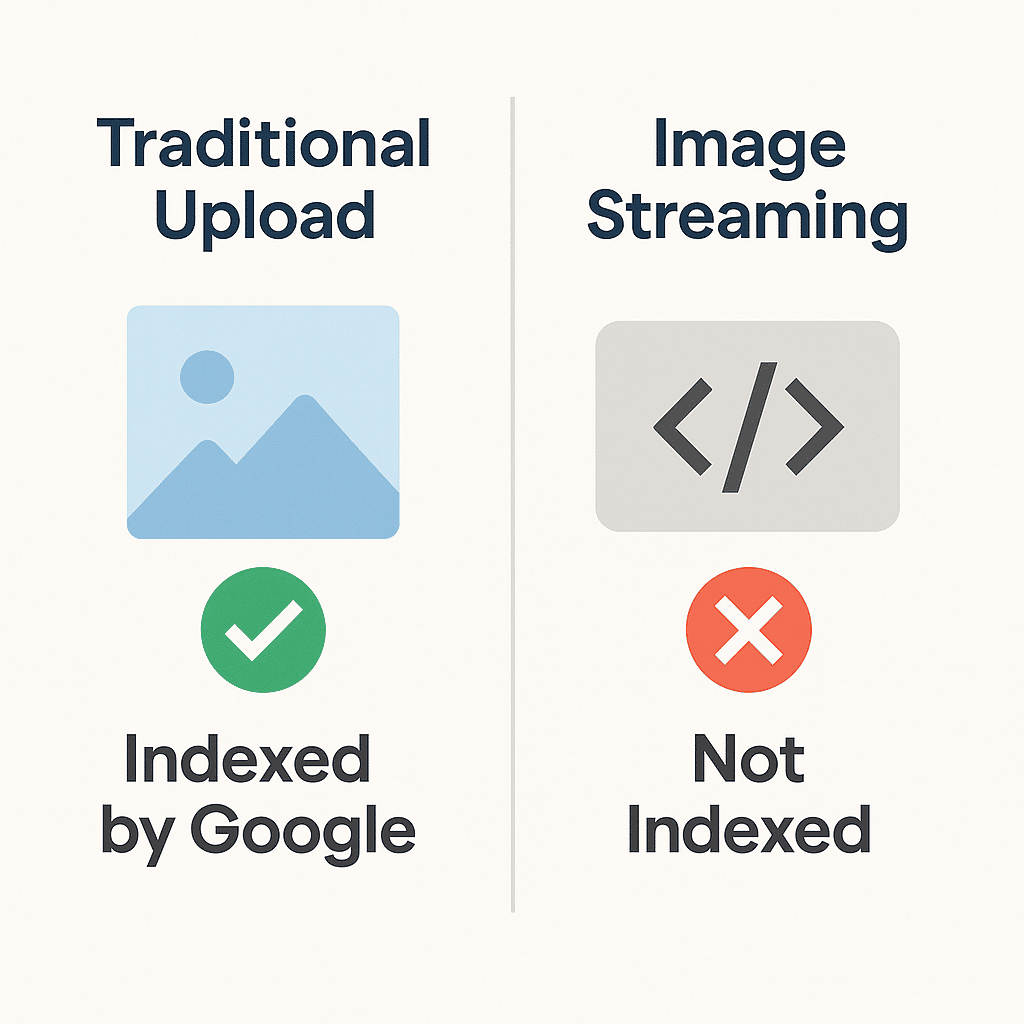
Speaking on Bluesky, Mueller confirmed that embedding images through streaming methods prevents them from being indexed, cutting off a major source of search traffic.
The announcement raises urgent concerns for businesses and developers relying on visual content to drive engagement and visibility.
Google’s Stark Message on Image Streaming
The debate around image streaming took a sharp turn when Jessier asked Mueller for his take on clients embedding streamed images into web content.
@johnmu.com @divingfor.fun Bonjour, I have an image SEO question: if I work with a client that uses image streaming in their content, what’s your take/advice/opinion?
smartframe.io/blog/image-s….
I am slowly trying to wrap my head around it.
— Myriam Jessier (@myriam.dopamine.builders) April 22, 2025 at 12:11 PM
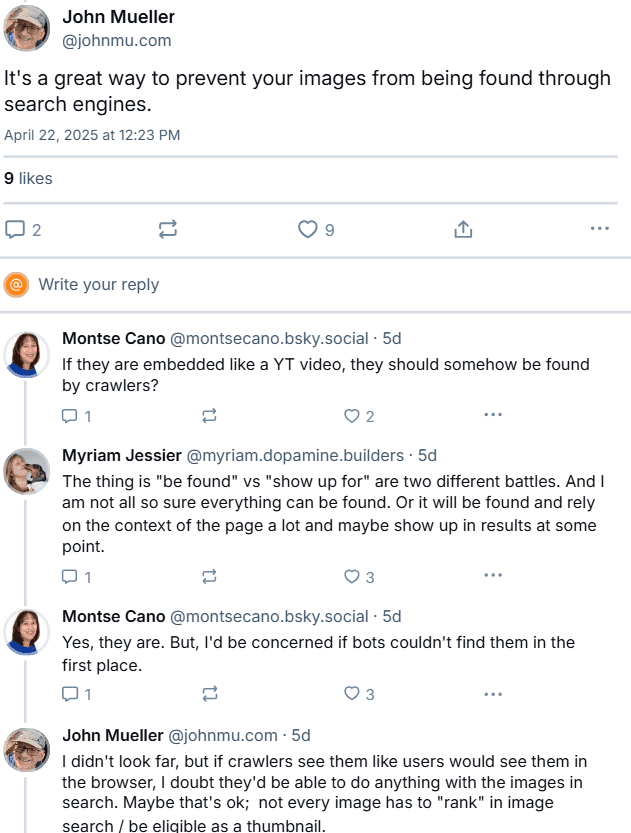
Mueller replied, “It’s a great way to prevent your images from being found through search engines.”
The technology in question, image streaming, replaces traditional uploads (like JPEGs or PNGs) with embedded streams of media, similar to how websites embed videos. It’s a sleek solution for developers aiming for faster site speeds and consistent visual performance.
However, this approach effectively blocks Google’s crawlers from accessing and indexing these images, stripping sites of valuable visibility in Google Image Search and beyond.
The Hidden Costs of Modern Web Design
The adoption of image streaming indicates a trend towards dynamic, performance-enhanced websites. But Mueller’s comment reminds us that not every modern innovation plays nicely with search engines.
When images aren’t indexed, a significant channel for discovery disappears. Sites lose opportunities to appear in image results, rich media snippets, and even standard organic search rankings where multimedia elements enhance relevance.
Industries that rely heavily on strong visuals, such as e-commerce, fashion, real estate, travel, food, etc, risk experiencing tangible declines in traffic and conversions.
Moreover, unindexed images can impact accessibility and user experience, compounding the damage beyond just SEO losses.
For brands that invest heavily in visual content strategies, this technical misstep could result in a significant decline in ROI.
Staying Visible Without Sacrificing Speed
Mueller’s warning demands immediate action. To avoid the pitfalls of invisible images while still maintaining a modern, high-performing website, experts recommend a strategic approach:
- Upload Images Directly: Continue using standard image formats and place them directly in your site’s HTML or CMS.
- Optimize, Don’t Stream: Enhance load times by leveraging smart image compression, lazy loading, and next-generation formats (such as WebP), rather than embedding streams.
- Implement Descriptive Alt Text: Ensure every image has strong, SEO-friendly alt attributes to support search indexing and accessibility.
- Audit Image Indexing Regularly: Use tools like Google Search Console to monitor which images are discoverable and identify red flags early.
- Balance UX and SEO Priorities: Collaborate with developers and SEO specialists to ensure visual enhancements do not compromise searchability.
The Bottom Line
Mueller’s remarks indicate increasing friction between performance-oriented web design and the essential requirements of SEO. As websites advance, strategies to ensure visibility within Google’s ecosystem must also adapt.
Developers, marketers, and site owners must remain vigilant to the fact that eye-catching innovations that overlook fundamental search engine principles can lead to costly errors.
While image streaming enhances user experience, it poses significant risks to SEO, and Google’s stance is unequivocal.
Key Takeaways
- Image streaming prevents Google from indexing images.
- Unindexed images slash your site’s visibility and search traffic.
- Standard image uploads with proper optimization remain SEO best practice.
- Visual-heavy industries are most at risk if streaming techniques are misused.
- Site speed should be improved through SEO-friendly methods, not shortcuts.

Dileep Thekkethil
AuthorDileep Thekkethil is the Director of Marketing at Stan Ventures, where he applies over 15 years of SEO and digital marketing expertise to drive growth and authority. A former journalist with six years of experience, he combines strategic storytelling with technical know-how to help brands navigate the shift toward AI-driven search and generative engines. Dileep is a strong advocate for Google’s EEAT standards, regularly sharing real-world use cases and scenarios to demystify complex marketing trends. He is an avid gardener of tropical fruits, a motor enthusiast, and a dedicated caretaker of his pair of cockatiels.
