
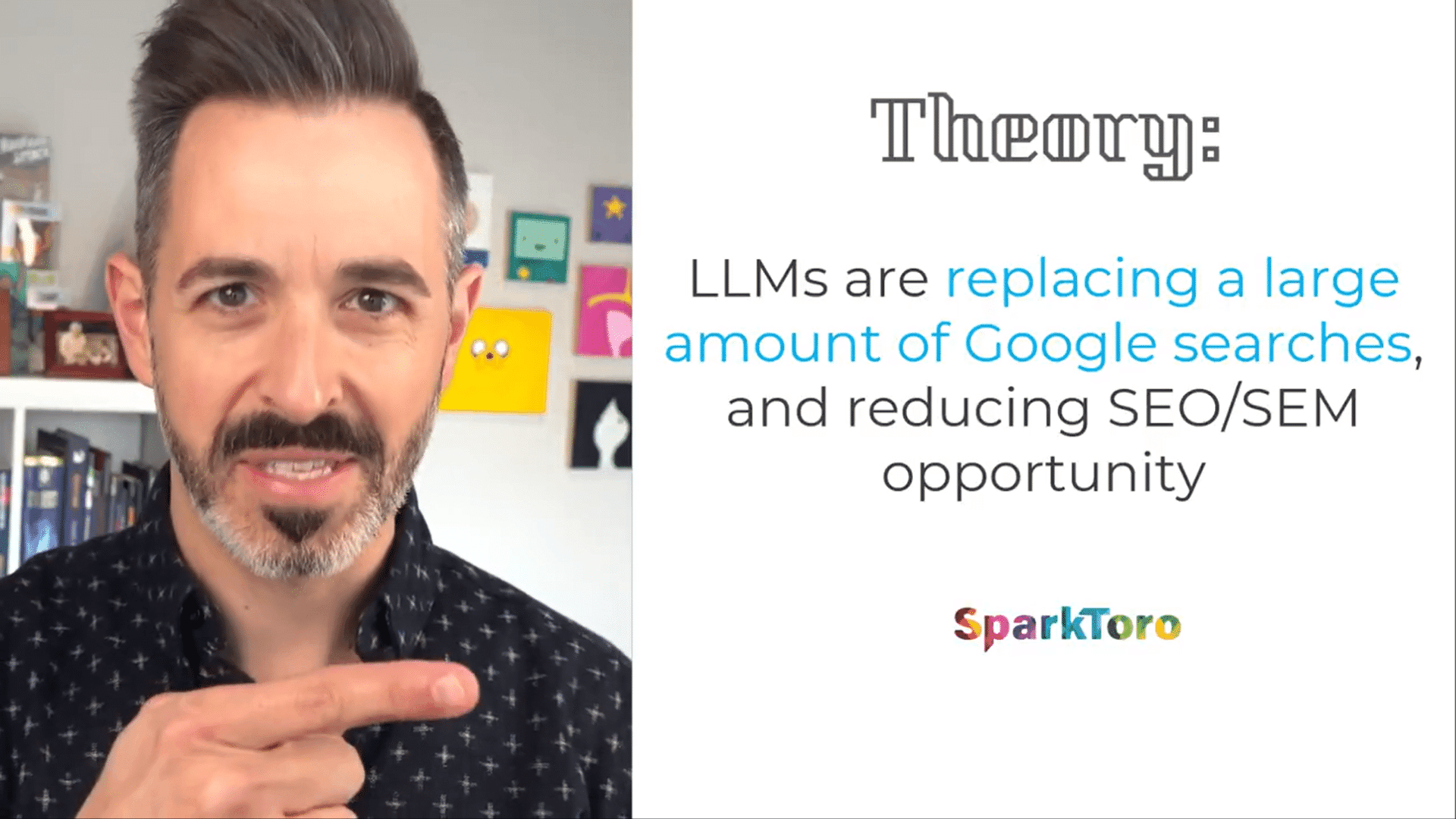
If you spend any time in tech circles, you’ve probably heard the claim: AI tools like ChatGPT, Claude, and Perplexity are eating into Google’s search dominance. The idea makes sense—why wade through pages of links when AI can give you direct answers?
But marketing expert Rand Fishkin just crunched the numbers, and the reality is far less dramatic. Google isn’t just holding strong—it’s growing at an impressive pace.
The Numbers Don’t Lie
Fishkin pulled together data from Datos, SEMrush, and Google itself to fact-check the narrative that AI is stealing search traffic.
NEW Research: https://t.co/p6OmMQUffb
If we include ChatGPT, what is Google’s *REAL* market share of search?
After years of speculation, we finally have enough reliable data to build high quality numbers for both. pic.twitter.com/lF3NSJDjOU
— Rand Fishkin (follow @randderuiter on Threads) (@randfish) March 11, 2025
Here’s what he found:
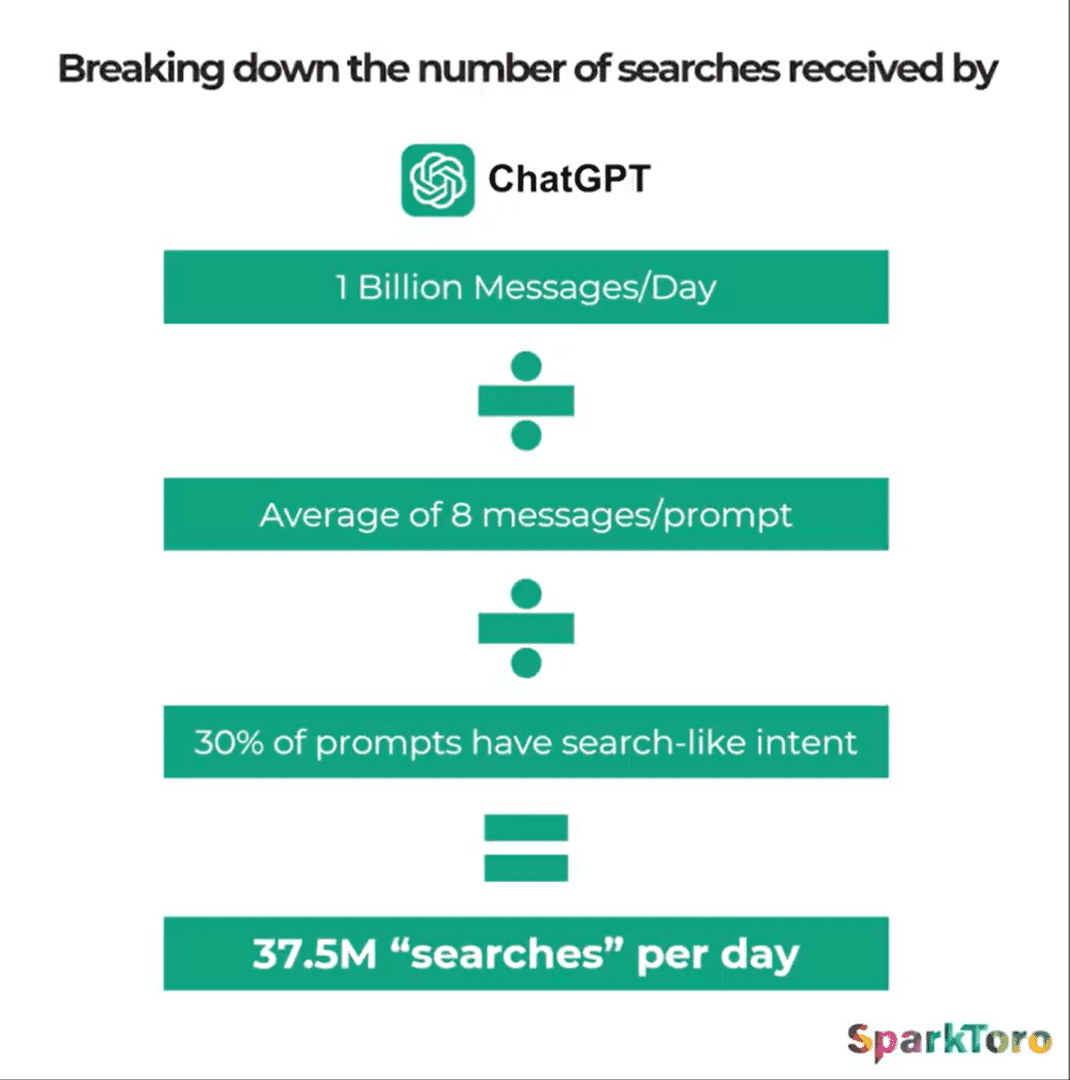
- OpenAI CEO Sam Altman revealed that ChatGPT users send about 1 billion messages per day.
- SEMrush analyzed 80 million ChatGPT interactions and found that only 30% of prompts resemble traditional searches (the rest are things like coding help, creative writing, or analysis tasks).
- The average ChatGPT session includes eight messages per interaction.
When you break that down, ChatGPT handles around 37.5 million search-like queries per day. That sounds impressive—until you compare it to Google’s sheer scale.
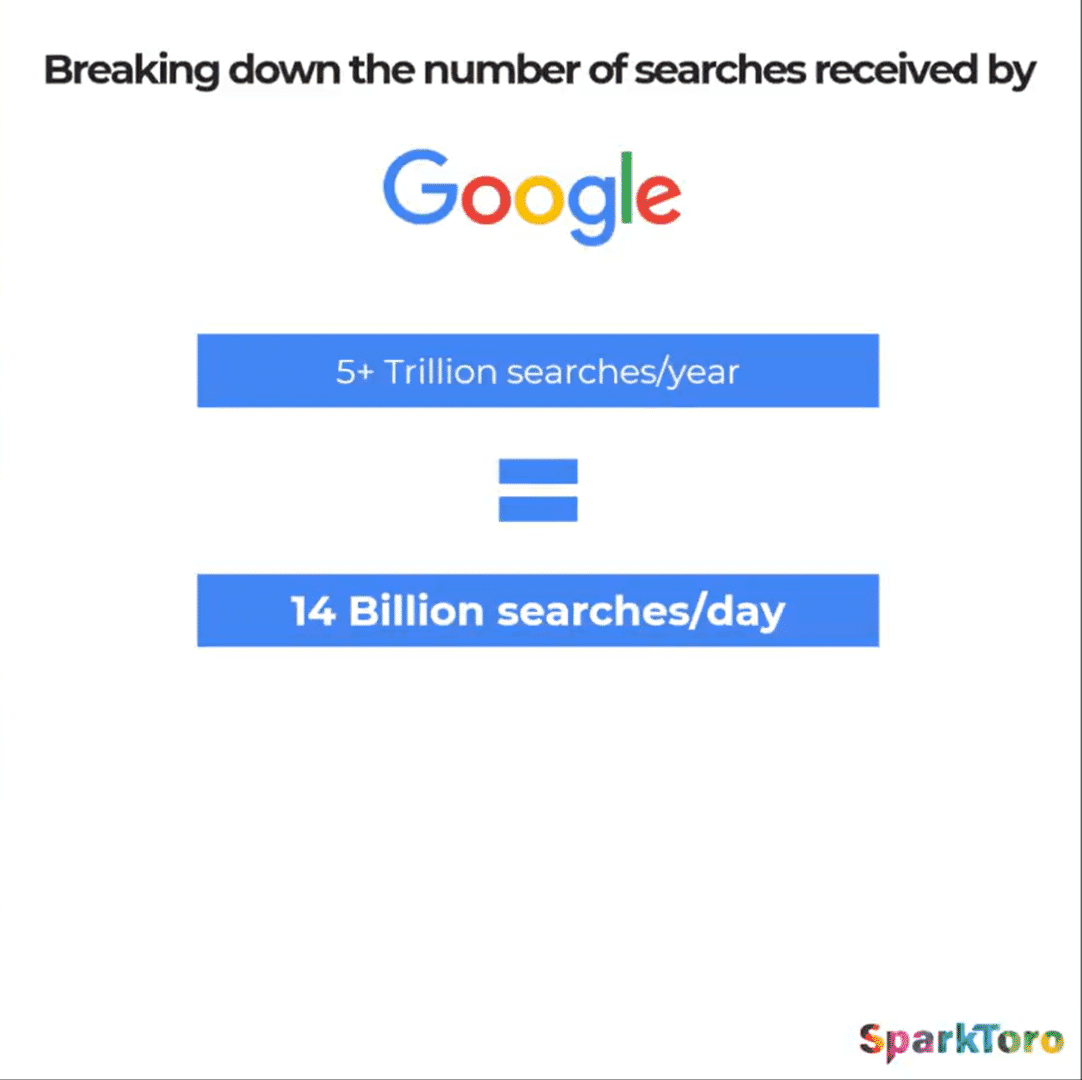
Google processes a staggering 14 billion searches every single day. In other words, Google’s search volume is 373 times larger than ChatGPT’s.
AI Search Is Growing, But At a Slow Rate
Fishkin acknowledged that AI-powered search will continue to expand. If ChatGPT quadruples or quintuples in size over the next few years, it might reach the level of Yahoo’s search traffic. But even then, it would still be a niche player compared to Google.
To put things in perspective, even long-established search engines like Bing, Yahoo, and DuckDuckGo hold only a fraction of Google’s market share. If those platforms have struggled to gain ground over decades, AI-powered search tools have an uphill battle ahead.
Google’s Growth Speaks Volumes
Perhaps the most compelling evidence against the “AI is killing Google” theory? Google is actually growing—fast.
From 2023 to 2024, Google’s search volume jumped by 21.6%—its biggest surge since the pandemic. The average user is now conducting 125 searches per year, up from 103 the previous year
And here’s the twist. Google’s AI-powered features, such as AI Overviews, appear to boost engagement instead of deterring users. CEO Sundar Pichai highlighted in an earnings call that these tools are prolonging user interaction on Google, resulting in even more.
Google Isn’t Going Anywhere
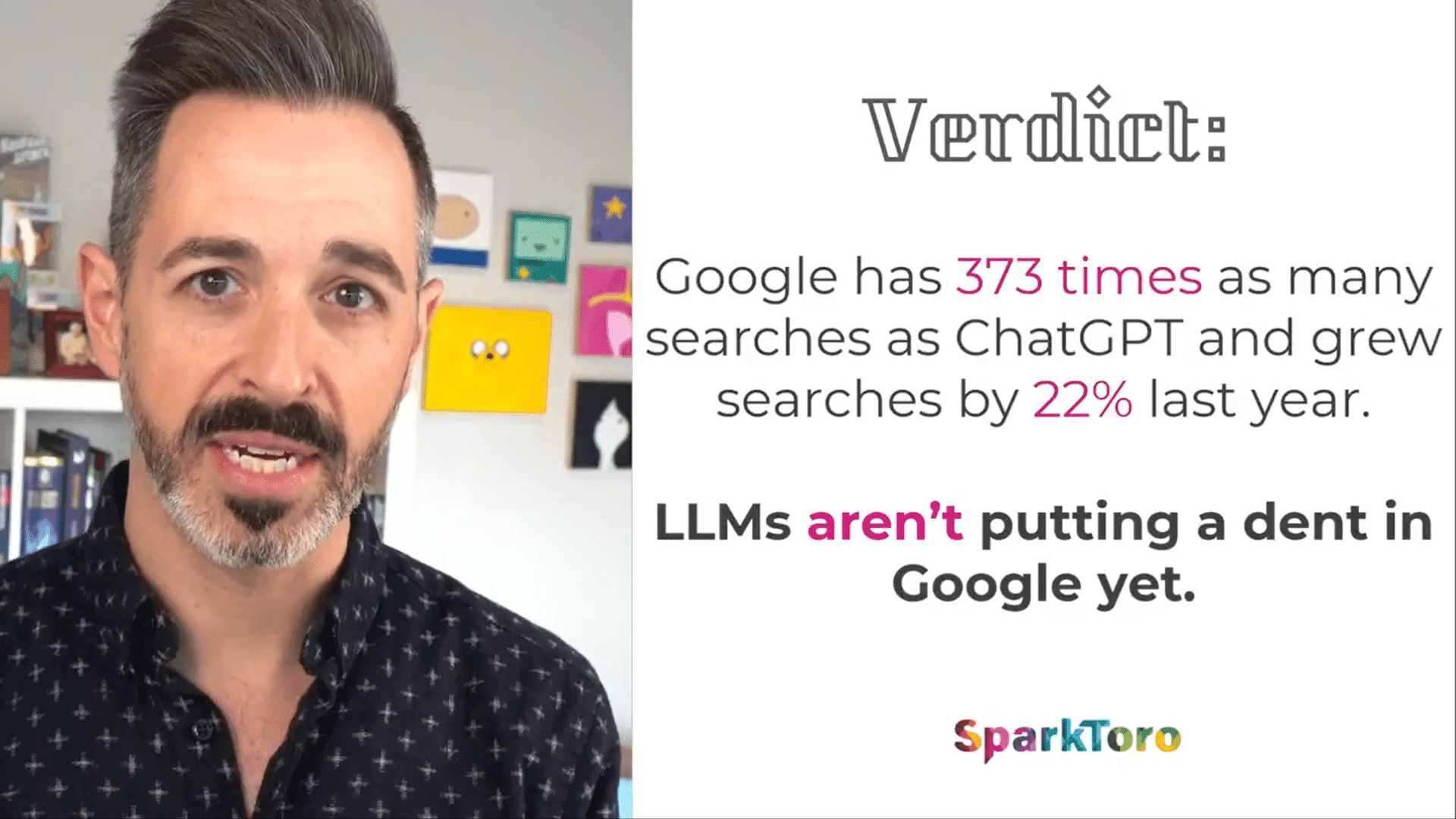
So, is AI search making a dent in Google’s empire? Not really. While ChatGPT and similar tools offer powerful capabilities, they still represent a tiny fraction of search activity.
And rather than losing ground, Google is expanding at a pace that makes AI search look microscopic in comparison.
For now, AI search is more of a cool complement to Google rather than a real competitor. That could change in the future—but for now, Google remains the undisputed king of search.

Dileep Thekkethil
AuthorDileep Thekkethil is the Director of Marketing at Stan Ventures, where he applies over 15 years of SEO and digital marketing expertise to drive growth and authority. A former journalist with six years of experience, he combines strategic storytelling with technical know-how to help brands navigate the shift toward AI-driven search and generative engines. Dileep is a strong advocate for Google’s EEAT standards, regularly sharing real-world use cases and scenarios to demystify complex marketing trends. He is an avid gardener of tropical fruits, a motor enthusiast, and a dedicated caretaker of his pair of cockatiels.
