
Are you struggling to rank higher on Google and other search engines despite having an attractive travel and tourism website?
This is NOT something you can take lightly, especially with 80% of travelers preferring to plan their vacations online. Not ranking higher means delivering these opportunities right into your competitors’ hands. That’s absolutely the last thing you want for your travel business.
So, what’s the missing piece? It’s often link building for travel websites.
Backlinks from relevant, high-authority websites tell search engines that your content is credible. That’s exactly what you need to push your pages to the top. Without them, your travel site will keep a low profile no matter how good it looks.
Free SEO Audit: Uncover Hidden SEO Opportunities Before Your Competitors Do
Gain early access to a tailored SEO audit that reveals untapped SEO opportunities and gaps in your website.
Analyze My Site
I’ll tell you how you can leverage travel website link building the right way to boost your website’s ranking potential, drive more traffic, attract more travel bookings and boost your business revenue.
Why is Link Building Important for Travel and Tourism Websites?
Travel link building is essential for businesses like yours. Here’s why.
Improved Brand Authority
When credible travel sites link back to you, they enhance your credibility and trust, prompting travelers to choose you over your competitors.
Enhanced Visibility
Being a Google ranking factor, backlinks improve your chances of ranking higher and being easily visible online when people search for tours, destinations, or holiday packages.
Increased Organic Traffic
With better rankings and visibility triggered by backlinks, your travel and tourism website can attract more travel-ready visitors organically.
Let’s take Insight Vacations, a US-based tourism website, for example.
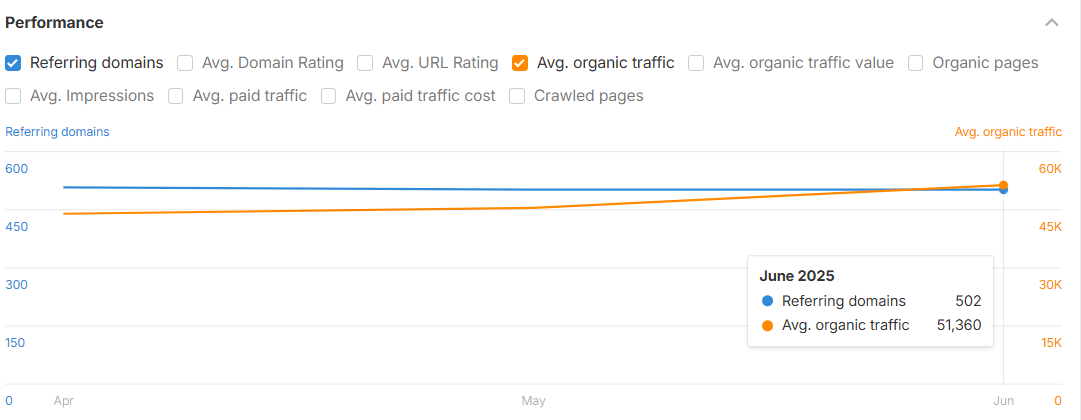
See the organic traffic going up along with the growth in referring domains (the number of websites linking back to Insight Vacations). As of June 2025, they are generating 51K+ organic traffic with 502 external sites pointing to them.
Higher Conversions
Backlinks drive referral traffic to your website. Visitors landing on your page through relevant travel content are more likely to engage, inquire and purchase your travel packages.
What Makes a Good Backlink for Tourism Websites?
- Relevance: Links from travel-related websites are far more valuable than random or unrelated sources.
- Authority: Backlinks from high-authority travel platforms signal stronger trust to search engines.
- Context: A backlink placed naturally within useful travel and tourism content delivers better SEO value.
- Quality: In travel link building, quality always beats quantity. Avoid low-quality directories and link farms.
- Diversity: Build different types of links, from guest posts to brand mentions, to manage a healthy link profile. Also, maintain the do-follow vs. no-follow link ratio.
How to Get Backlinks for Travel Websites in 2025
Check out the 9 best link building strategies for travel sites you need to implement in 2025 and beyond.
1. Create Link-Worthy Content
If you want other travel websites to link back to you, you need to publish content they will actually want to reference. That’s why creating link-worthy assets is key for sustainable link building for travel agencies like yours.
Focus on building resources so valuable that travel bloggers, itinerary curators, and destination websites naturally want to share them. Every time someone quotes your assets, you get a natural backlink.
These linkable assets can be anything, including destination guides answering key traveler questions, visa and packing checklists for specific countries, unique travel statistics, or even visual content like infographics and short destination videos.
2. Guest Posting on Relevant Travel Blogs
Guest posting is one of the most reliable link building strategies for tourism websites. It allows you to tap into an established audience while positioning your brand as an expert in your niche.
Create genuinely helpful guest post content that people will enjoy, whether it’s destination advice, trip planning tips, or tourism-based cultural insights.
To earn high-quality guest post backlinks, you need to identify sites that are relevant and have good domain authority. Once done, you have to reach out to bloggers to ask for backlinks.
What you see below is a glimpse of the websites linking back to Insight Vacations. They’ve built backlinks from websites boasting 80+ Domain Authority (or Domain Rating in Ahrefs). This is most likely one of the reasons why their organic traffic rate spiked with backlink growth.
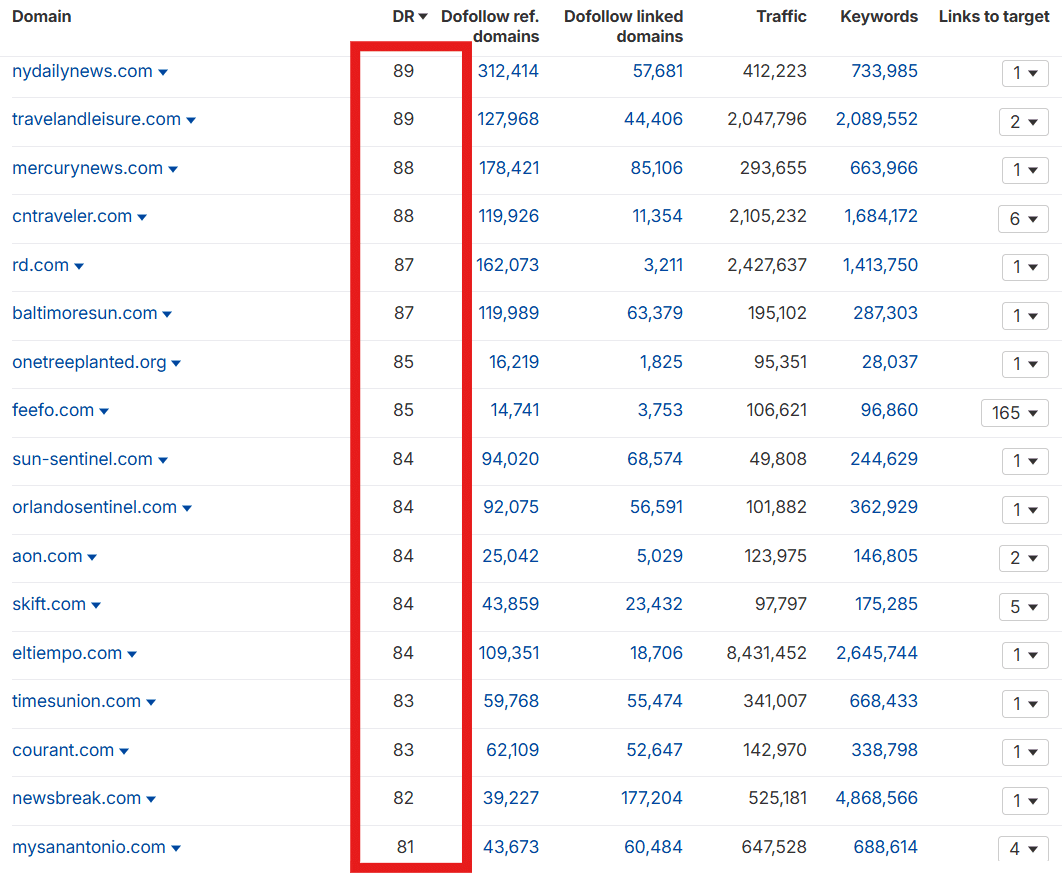
With the right travel link building strategies, this can be a reality for your travel and tourism website too.
At Stan Ventures, we make this process easier with our comprehensive backlink building services covering everything from strategic blogger outreach to guest posting on authoritative niche websites. With 200+ outreach specialists and access to 30,000+ (and growing) guest blogging websites, we help you earn contextual backlinks placed naturally within high-quality content crafted for the travel audience.
3. Watch Your Competitors’ Backlinks
Knowing who links back to your competitors can come in handy to discover new backlink opportunities for your tourism website.
Use Ahrefs’ Link intersect tool or Semrush’s backlink gap feature to narrow down sites that link back to your competitors but not to you. If a travel blog or destination guide links to them, they are most likely to link back to you too, especially if your content offers better value.
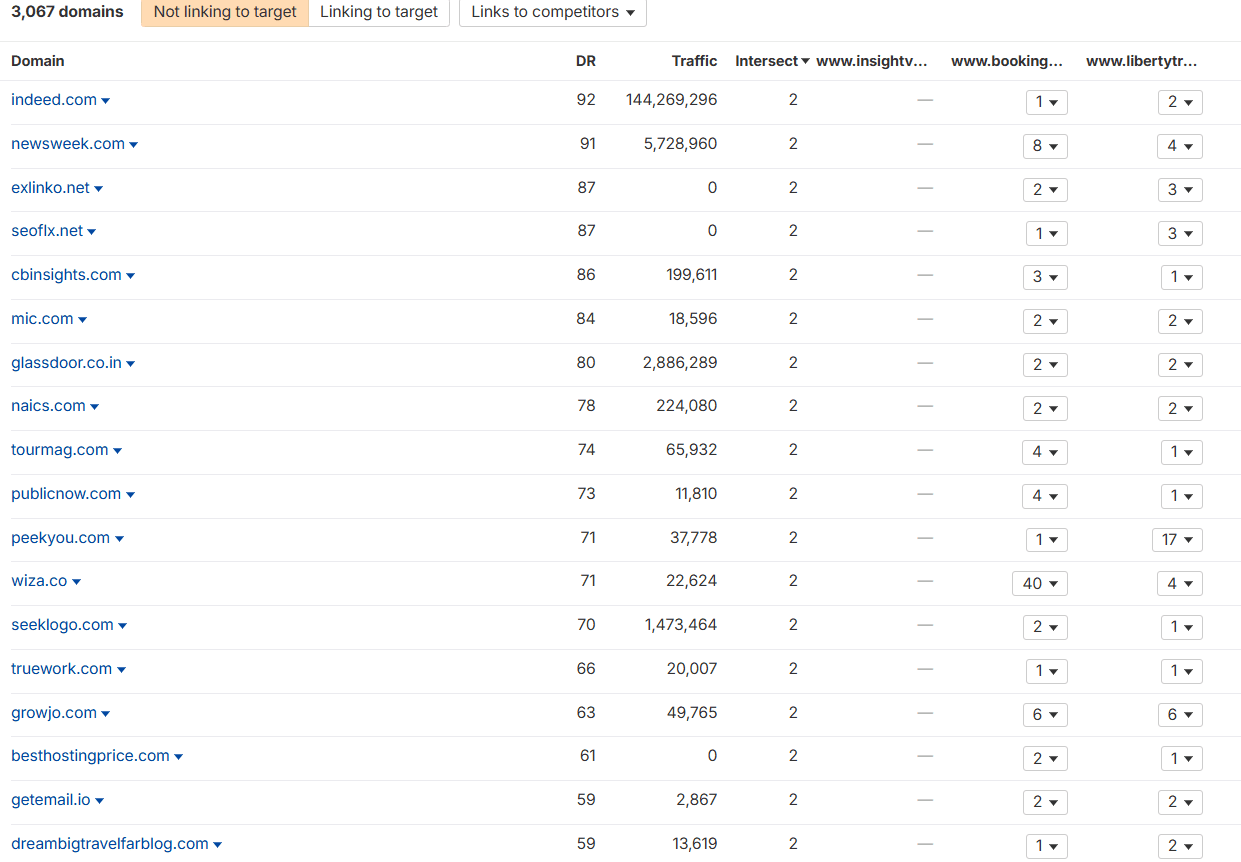
This doesn’t mean blatantly copying what other travel and tourism websites are doing. It’s more about learning what’s working in your niche and using those insights to build a stronger and more targeted backlink strategy for your travel brand.
4. Use Niche Edits
What if I told you you could actually build high-quality backlinks faster? That’s exactly what niche edits help you do.
Instead of writing fresh content, you place your backlink inside existing travel content that’s already ranking and driving traffic to your host site.
Finding these backlink opportunities is never a hassle with Stan Ventures’ dedicated Niche Edit services. We secure contextual niche edit link placements for you on travel websites with at least 1000 monthly unique visitors to ensure a significant referral traffic flow and authority boost for your website.
5. Turn Unlinked Brand Mentions into Backlinks
There’s a good chance a travel brand is being mentioned online without a backlink. That’s an unlinked brand mention.
The good news is these mentions can be translated into backlinks for travel sites. To implement this travel website link building strategy, you have to know how to spot your unlinked brand mentions.
Set up alerts using tools like Google Alerts or BrandMentions to get notified whenever your brand name appears across blogs, forums, or media sites. If someone talks about your tourism brand but doesn’t link back to your website, reach out to them and ask for a backlink.
Since the mention already exists, most site owners won’t hesitate to add a relevant link when asked genuinely.
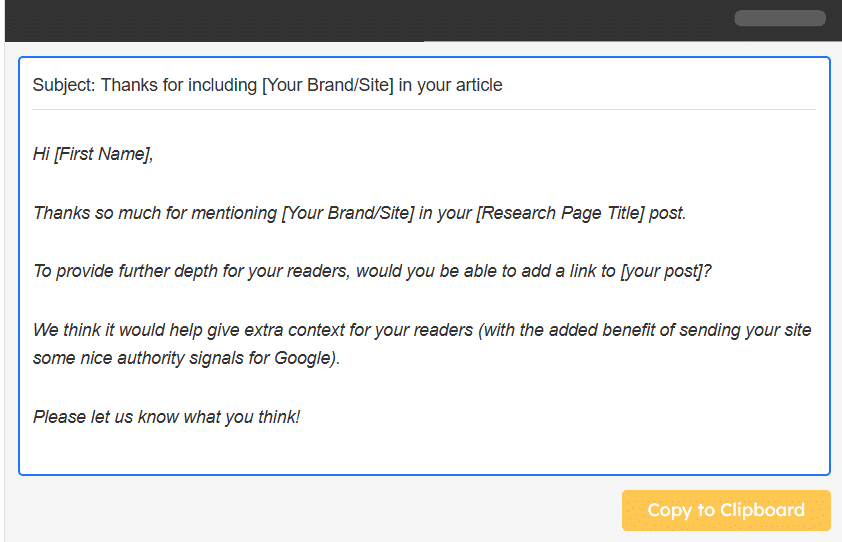
Image Source: Buzzstream
6. Invest in Broken Link Building
Broken link building is a smart strategy to earn backlinks to your travel website while helping other relevant websites clean up outdated content.
Use tools like Ahrefs or Semrush to find broken links on travel blogs, resource pages, or destination guides.
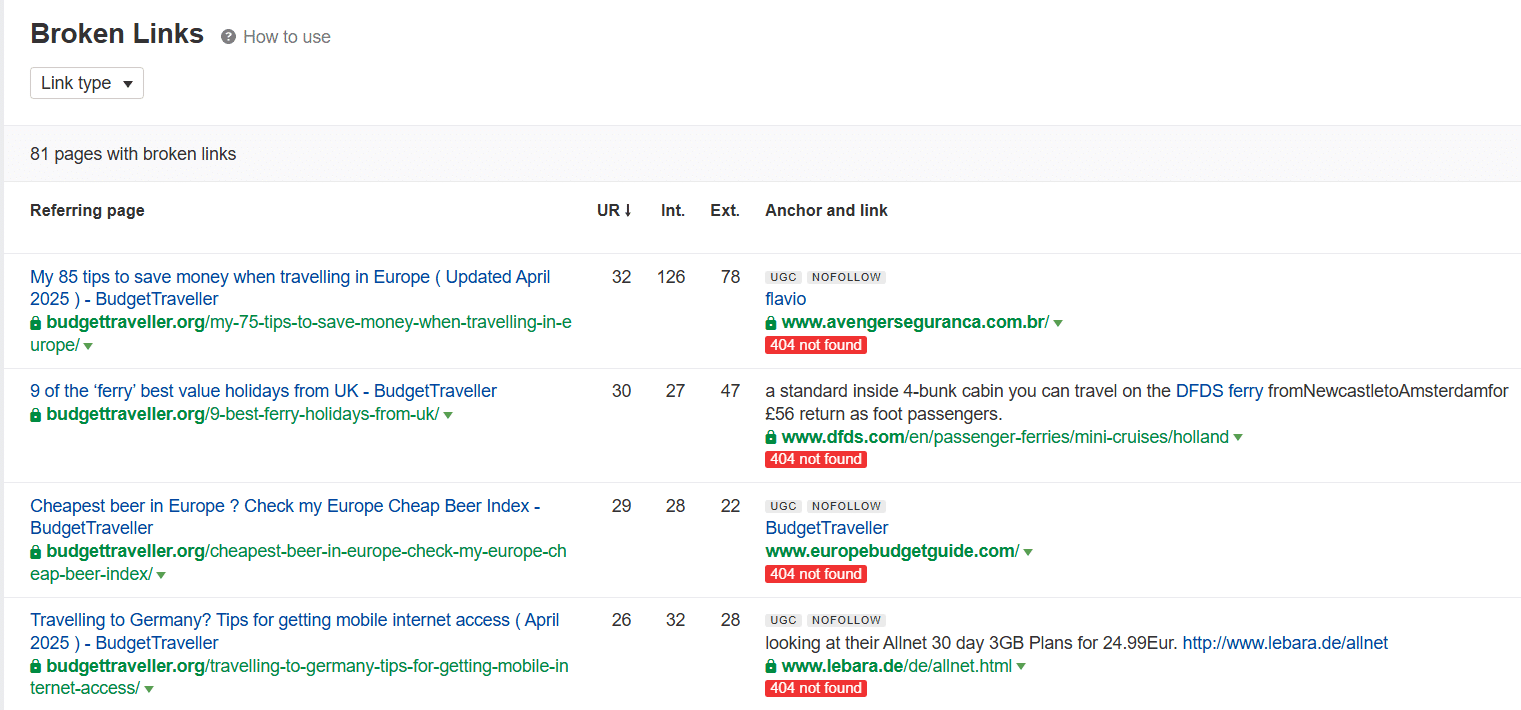
Once you spot a broken link that’s relevant to your niche, reach out to the site owner and suggest replacing it with your live, high-quality resource.
It’s a win-win because the host site gets to fix a bad user experience and you earn a contextual backlink from a site that’s relevant to your audience.
7. Get Listed on Travel Directories
Getting your travel business listed on credible tourism directories is a simple yet effective way to build backlinks and boost local visibility.
Let me show you why it’s important.
Here’s what I got to see when I Googled “Places to visit in Greece.”
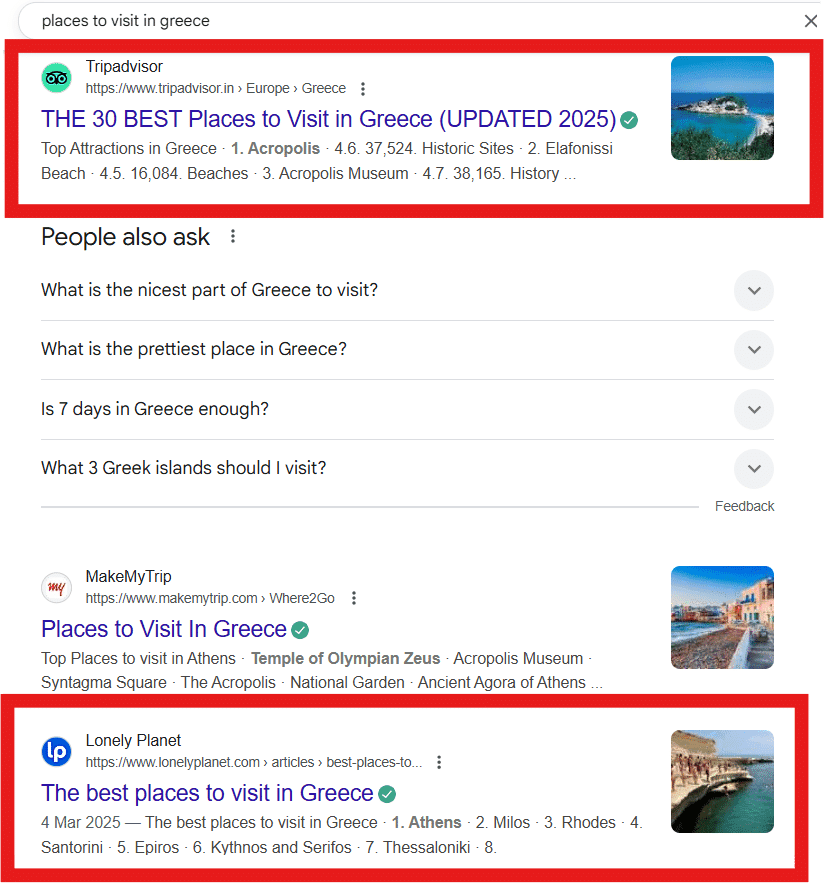
See the top search results dominated by directories, with TripAdvisor in the first place.
Platforms like Lonely Planet, TripAdvisor and Yelp often allow listings with do-follow links, giving your website a credibility boost while helping travelers discover your travel and tourism services.
Make sure the directories you choose are relevant to your travel service offerings and attract visitors who are willing to buy them.
8. Repurpose Your Content
If a blog post is doing well, just don’t stop there. Turn it into formats that can earn you more backlinks.
Convert high-performing content into infographics, slides, or short videos for platforms like Pinterest, YouTube, or LinkedIn.
User-engaging visual content like “Visa-Free Countries for US Passport Holders” or “7-Day Travel Itinerary for Europe” gets shared often and is frequently picked up by roundup posts and travel resource pages.
Every share means a backlink to your travel and tourism site.
This way, content repurposing helps strengthen your backlink profile while reaching new audiences.
9. Leverage Industry Partnerships
Strategic partnerships in the tourism industry can open up strong link building opportunities for your website.
Use your collaborations with hotels, tour operators, local guides, travel gear brands, or even regional tourism boards to earn relevant backlinks that add to your authority.
If you’re considering link exchanges, keep it natural and limited. Only go for link exchanges that add value to both sites and make contextual sense.
Google is quick to catch excessive link exchanges. If the search engine mammoth notices unnatural link patterns, it will penalize your tourism website.
This can, in turn, hurt your visibility, demote your rankings, and directly impact your bookings and revenue.
Remember, link building for travel websites isn’t a sprint. It’s a sustainable strategy that brings long-lasting SEO results.
The more relevant, high-quality backlinks you build, the better your chances of ranking higher, attracting qualified traffic, and driving more bookings.
From creating link-worthy content to leveraging industry partnerships for link building, every strategy you implement takes you a step closer to ranking higher and outperforming your competitors.
Want a customized link building strategy for travel businesses to drive even better results? Book your free link building consultation with us at Stan Ventures.
FAQs
How can I find good backlink opportunities for a travel site?
Use tools like Ahrefs or Semrush to analyze competitors’ backlinks. Also, explore tourism board collaborations, broken link outreach, and guest posting as part of your link building strategies for travel sites.
Are paid backlinks safe for travel websites?
Paid backlinks are safe if acquired through reputable, niche-specific platforms offering travel niche link building services. Always avoid spammy link farms or irrelevant placements.
How long does travel link building take to improve rankings?
You may start seeing traction within 3–6 months. However, sustained ranking improvements from link building for travel agencies generally take 6–12 months of consistent effort.