Google is introducing conversational shopping, smarter price tracking, automatic checkout, and an AI-powered calling tool that checks local store inventory. These updates begin in the United States and combine Gemini with the Shopping Graph to help people find and buy products with far less effort.
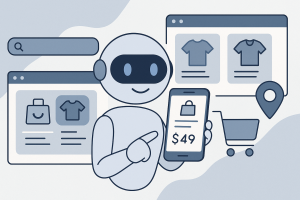
Google has announced a group of features that use Gemini models together with the Shopping Graph to help people move from inspiration to purchase in a smoother way.
These changes appear in Search and in the Gemini app for U.S. users, and they focus on creating a shopping process that feels more natural, less repetitive, and more accurate.
The company says shoppers are now describing what they want in longer, more expressive questions.
Instead of forcing users into short, rigid searches, Google aims to match these richer questions with results that genuinely fit what people are trying to buy.
How the New Features Work
Let’s look at how each addition reshapes the way people search, compare, and complete purchases within Google’s ecosystem.
-
Conversational shopping in AI Mode
Google’s AI Mode allows users to explain what they want in everyday language.
If someone asks a question that leans toward visuals, Google shows product image grids. If they ask for comparisons, the results shift into clear comparison tables.
These tables highlight textures, ingredients, reviewer notes, and additional details that matter when choosing between similar products.
All of this is driven by Google’s Shopping Graph, which holds billions of up-to-date product listings.
(1/4) We just shipped our biggest update to the shopping experience in AI Mode in Search. It’s now much easier to ask longer, more conversational queries to get visual inspiration and shop for products. 🛍️ pic.twitter.com/B4tGCVjmFI
— Robby Stein (@rmstein) November 13, 2025
-
Gemini app shopping
The Gemini app now supports product searches, idea generation, budgeting, and side-by-side comparisons directly inside the interface.
U.S. users who are 18 or older with consumer accounts can access these tools. The goal is to help shoppers explore ideas and narrow down choices without switching apps.
(2/4) Beyond inspiration, if you need help deciding between products, AI Mode can create detailed, side-by-side comparisons, pulling insights from shopping data and customer reviews to make your choice easier. pic.twitter.com/CB4ao7ecV3
— Robby Stein (@rmstein) November 13, 2025
-
Agentic checkout with price alerts
Price tracking is also expanding. Shoppers can set detailed rules for the items they are watching.
When a product reaches the right price, Google sends an alert. If the item comes from an eligible merchant, Google can complete the purchase through Google Pay after the shopper approves shipping information.
Partners include Wayfair, Chewy, Quince, and selected Shopify merchants.
(3/4) We’re also rolling out agentic features for shopping in Search. When you’re tracking the price of an item from eligible merchants and it drops below your budget, agentic checkout can handle buying it on the retailer site securely on your behalf (and with your permission, of… pic.twitter.com/mMGWyeh48G
— Robby Stein (@rmstein) November 13, 2025
-
AI calling to verify local store inventory
One of the most notable additions is the “Let Google Call” option.
If someone searches for products in nearby stores, Google may offer to call merchants on their behalf. After asking a few short questions about preferences and price limits, Google’s system contacts local shops, checks availability, and sends a summary to the user through text or email.
The company says it limits call frequency and keeps questions concise. This feature uses a more capable version of the model behind Duplex.
(4/4) Or you can use AI to call nearby businesses to ask about inventory and special promos. These features are available in Search starting today in the US. pic.twitter.com/d50V3hfdV3
— Robby Stein (@rmstein) November 13, 2025
Why This Move Matters
These updates show Google’s intent to close the gap between search and purchase.
If shoppers can compare products, confirm store availability, track prices, and finish checkout without leaving Google’s ecosystem, the entire journey becomes more concentrated within Google’s services.
For retailers, this means product feeds, inventory accuracy, and checkout options hold more weight.
Listings that include clear descriptions, detailed specifications, and timely updates will perform better in AI-driven results.
Stores with complete business profiles and reliable inventory information may see more in-person visits as the calling feature expands.
What May Come Next
Google plans to add more retail partners to agentic checkout as support for guest checkout and Google Pay grows.
The AI calling tool will begin in a small number of shopping categories and may widen once Google evaluates merchant responses and call quality. At the moment, the rollout focuses on U.S. shoppers and retailers, but broader availability is likely once testing stabilizes.
Guidance for Retailers and Marketers
Here are a few ways businesses can prepare for Google’s new shopping experience and ensure their products show up accurately across these AI-driven surfaces.
- Keep product feeds updated frequently so pricing and stock information stay accurate. Google refreshes millions of listings often, and outdated data can lower visibility.
- Enable guest checkout and Google Pay to qualify for the automated checkout path.
- Maintain complete business profiles so the AI calling tool forwards accurate information to shoppers.
- Coordinate promotions carefully since price tracking can trigger purchase alerts quickly.
- Review how your items appear in AI Mode so descriptions and specifications are clean and structured.
What Shoppers Can Expect
People shopping through Search or the Gemini app can expect smoother conversations, clearer comparisons, and less manual work.
Google can check store shelves, monitor prices, and finish purchases once the shopper approves the details. This saves time, though users should review payment information carefully before enabling automated checkout.
Key Takeaways
- Conversational shopping in AI Mode lets people describe what they need in natural language.
- The Shopping Graph powers visual grids, comparisons, and accurate listings.
- Price tracking now supports detailed rules and optional automated checkout through Google Pay.
- Google can call local stores to confirm product availability and pricing.
- Retailers benefit from accurate feeds, complete profiles, and support for fast checkout options.

Zulekha
AuthorZulekha is an emerging leader in the content marketing industry from India. She began her career in 2019 as a freelancer and, with over five years of experience, has made a significant impact in content writing. Recognized for her innovative approaches, deep knowledge of SEO, and exceptional storytelling skills, she continues to set new standards in the field. Her keen interest in news and current events, which started during an internship with The New Indian Express, further enriches her content. As an author and continuous learner, she has transformed numerous websites and digital marketing companies with customized content writing and marketing strategies.