
Google is spelling out how it plans to keep Chrome’s new Gemini-powered browsing agents from making dangerous decisions, especially as fears grow about what could happen if an autonomous tool misreads instructions and carries out risky actions on its own.
Google has shared a clearer look at the safeguards it is building into Chrome as the browser prepares to support AI agents that can complete tasks online.
The company says its top concern is indirect prompt injection, a method where hidden instructions inside a webpage trick an agent into doing something unsafe, such as making purchases or exposing private data.
To reduce that risk, Google is putting multiple checks between the agent and the open web, along with stronger guardrails that keep people involved in every critical step.
The Rising Worry Around Autonomous Browsers
The announcement comes at a moment when conversations about agent safety are no longer theoretical.
Researchers recently demonstrated that an AI agent with system-level access could wipe a hard drive after misinterpreting a task. The same idea applied to a browser raises its own kind of threat.
A Chrome agent that can see saved credit card numbers, account logins, or personal information should never be nudged into actions the user did not ask for.
Google is trying to stay ahead of that concern by making sure the agent’s choices pass through strict filters before anything happens.
How Google Plans to Catch Unsafe Steps
One of the key protections is a review model called the User Alignment Critic. It activates after the browsing agent proposes a plan, scanning only the metadata of each intended step.
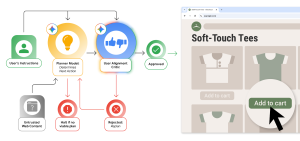
The critic checks whether the steps match the task the user originally described. If something feels off, the agent must try again. If it repeatedly fails, Chrome hands control back to the user.
Google says the critic never sees full webpage content. That separation prevents attackers from slipping malicious text into a page that could mislead the safety checker itself.
Keeping Agents Contained
Chrome will also restrict where an agent can go. Google is introducing what it calls Agent Origin Sets, which limit the sites an agent is allowed to interact with.
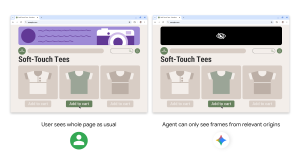
The agent can only access pages essential to the task or pages that the user directly allows. This keeps the tool from wandering into unrelated sites where hidden manipulations might lurk.
Keeping People in Charge at Every Important Moment
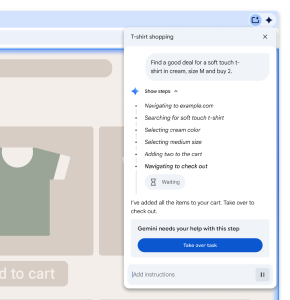
Even with these automated protections, Google stresses that users will remain the final authority. Chrome will display a clear action log so people can see what the agent did and what it wants to do next. And for sensitive actions, the agent must pause and ask for confirmation.
That includes visiting financial or medical sites, attempting logins, triggering payments, or sending messages. The agent also will not have direct access to stored passwords. These checkpoints serve as a final brake in case something slips through the earlier filters.
Why This Matters
Google’s plan shows how seriously tech companies are taking the risks of giving AI agents more autonomy.
The protections answer many of the concerns researchers have raised for months, though challenges remain. Some users may approve prompts too quickly if requests become repetitive. Attackers may still try to exploit sites the agent is legitimately allowed to visit. And as agents grow more capable, their guardrails will need constant review.
Still, this layered approach is a meaningful start. It gives users clear visibility, limits where the agent can act, and builds in a second set of eyes before important steps proceed.
Advice for Readers
Before these tools become more common in everyday browsing, there are a few simple habits that can help people stay in control and avoid unintended actions.
- Review any permissions you grant to AI tools inside your browser.
- Check the step log whenever the agent is completing a multi-step task.
- Enable strong authentication on important accounts and keep Chrome updated.
- If you manage devices at work, test AI browsing agents in controlled settings first.
- Teach family members and colleagues to slow down when an agent requests approval.
Key Takeaways
- Google sees indirect prompt injection as the biggest threat to Chrome’s AI agents.
- A separate review model will check every action plan before the agent proceeds.
- Chrome will narrow the sites an agent can access.
- Sensitive steps require clear, manual approval from the user.
- Users can stop agent actions at any time through a detailed log.

Zulekha
AuthorZulekha is an emerging leader in the content marketing industry from India. She began her career in 2019 as a freelancer and, with over five years of experience, has made a significant impact in content writing. Recognized for her innovative approaches, deep knowledge of SEO, and exceptional storytelling skills, she continues to set new standards in the field. Her keen interest in news and current events, which started during an internship with The New Indian Express, further enriches her content. As an author and continuous learner, she has transformed numerous websites and digital marketing companies with customized content writing and marketing strategies.
