Is Google’s algorithm playing fair with smaller websites, or have the big brands hijacked search results? Cyrus SEO thinks it’s time for a change.
For years, Google has been the go-to tool for finding answers online. Whether it’s searching for the best noise-canceling headphones or figuring out how to fix a leaky faucet, we trust Google to deliver the most accurate and helpful information.
However, a recent tweet from Cyrus SEO has sparked a debate that many of us have quietly noticed but haven’t really discussed out loud: Is Google search still doing its job?
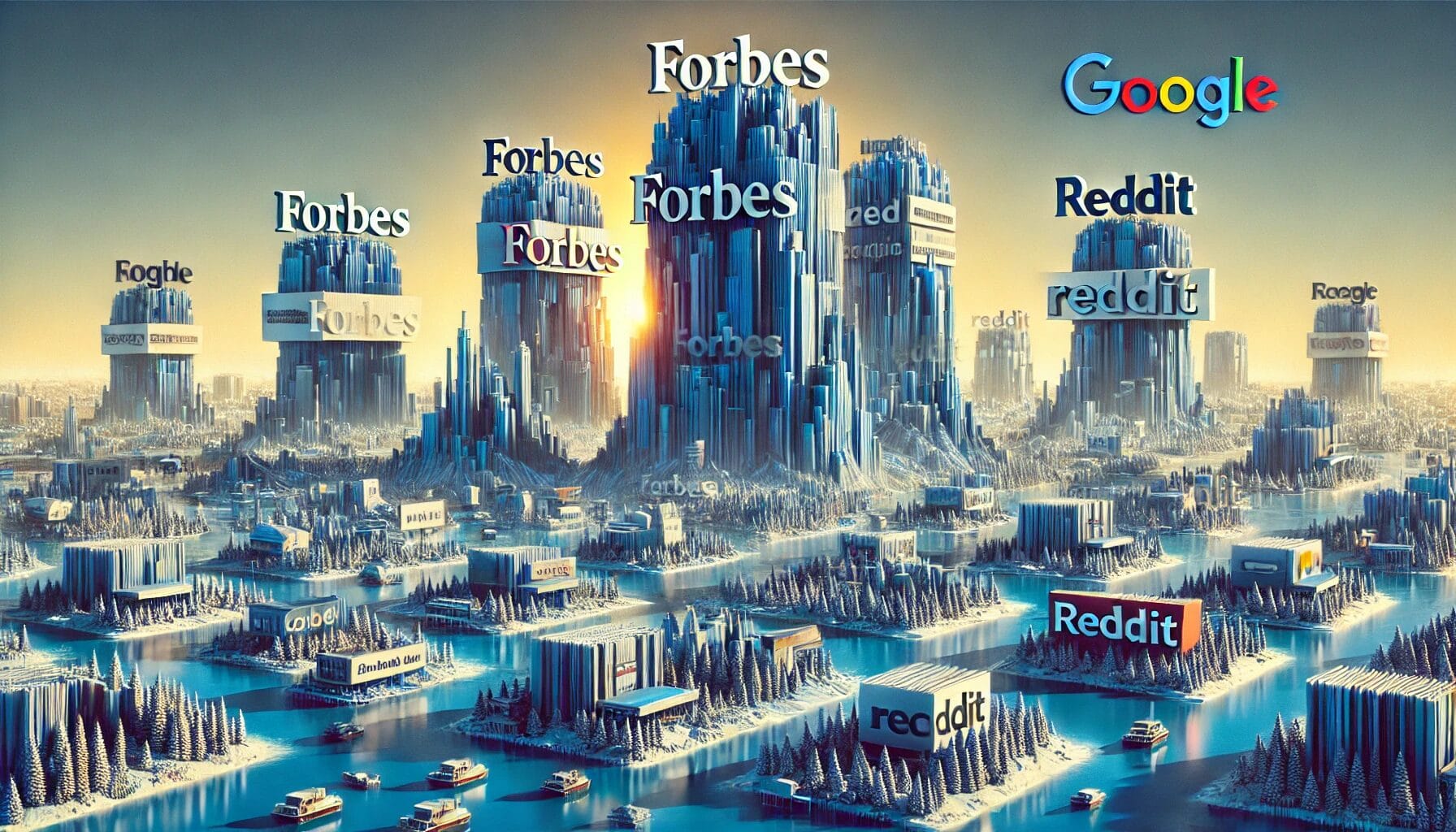
Cyrus took to X with a thought-provoking open letter to Google, pointing out the flaws in how search results are ranked and dominated by big brands like Forbes and Reddit.
An open letter to the folks in Google Search:
Listen, I know you recieve a lot of criticism. No matter who you rank on top, folks are likely to complain. I also know you’re fighting an army of spammers and over-optimized content that threaten the quality of search results. I get… pic.twitter.com/RgHnwh6gHX
— Cyrus SEO (@CyrusShepard) September 23, 2024
As an everyday user, I couldn’t agree more with his concerns. It feels like Google’s results are more about brand visibility than actual expertise, hurting the quality of information we’re getting.
In this article, I’ll explain what Cyrus is saying, what it means for you and me, and why this conversation is more important than ever.
Cyrus’s Key Argument: Big Brands, Small Value?
Cyrus kicks things off by recognizing Google’s tough position. It’s easy for people to complain no matter who gets ranked at the top, and Google is constantly under siege from spammers and low-quality, overly optimized content.
But, the crux of his argument is simple: consistently ranking big sites like Forbes or Reddit at the top of search results is leading to a decline in content quality.
When Forbes suddenly ranks at the top for every “best” product search, from “best crypto exchange” to “best CBD gummies” and even “best headphones,” something doesn’t feel right.
Forbes isn’t exactly known for its product reviews. And yet, there it is, dominating search results across a wide range of topics in which it seemingly has little expertise.
As someone who frequently relies on Google Search for product research, I’ve noticed this issue, too.
Too often, I’ll click on a link from a major site, only to find it doesn’t give me any real insights or personal experiences.
It’s like the content is mass-produced, aimed more at getting clicks than actually helping people. That’s frustrating for users like me who are just trying to find good advice.
The Problem with Brand Bias
At the heart of Cyrus’s complaint is the issue of “brand bias.” Google seems to be favoring large, well-known websites, regardless of whether their content is actually the best or most relevant. This creates a dangerous cycle.
When sites like Forbes or Reddit rank #1 for so many queries, it sends a message to other businesses: ranking well is more about brand power than content quality. And that’s not what Google promised us when they rolled out their “Helpful Content” updates.
Cyrus goes further to say that, in many cases, the big brands aren’t even meeting the standards that Google expects smaller websites to meet.
For smaller sites, you need to show personal expertise and real hands-on experience to rank well. However, these requirements seem to be relaxed for larger brands, which can churn out generic content and still land the top spots.
Are Google’s Rankings Making Search Results Worse?
Cyrus hits the nail on the head when he says that seeing Forbes and Reddit over and over again doesn’t feel like “searching” anymore.
Instead, it feels like Google has “given up,” serving the same big names like a fast-food menu with only a couple of choices—none of which are particularly satisfying.
It’s hard not to agree with this analogy! When I search for something specific, I want fresh, diverse perspectives.
Instead, I’m seeing the same handful of sites dominating the results, even if they aren’t providing in-depth or helpful content.
It’s like going to a buffet and finding out they only serve burgers and fries. Sure, it’s reliable, but is it really what I’m craving?
What Needs to Change: A User and Expert Call for Reform
Cyrus doesn’t just point out the problems—he also offers suggestions for improvement. And frankly, they make a lot of sense.
Here’s what he proposes:
More Site Diversity
First, Cyrus calls for more diversity in the sites that Google ranks highly.
It’s not that big brands like Forbes or Reddit should be excluded altogether, but there should be room for smaller, niche websites that offer specialized expertise. These are the sites that often provide the real gems of knowledge, and they deserve a chance to shine.
Equal Standards for All Websites
Google’s “Helpful Content” update was designed to promote high-quality content, but Cyrus believes that these standards aren’t being applied evenly.
Big brands seem to get a pass, while smaller sites are held to much stricter standards. If a smaller site needs to prove its expertise through personal experience and research, shouldn’t big brands have to do the same?
Reduce the Brand Bias
Finally, Cyrus suggests that Google needs to tone down its reliance on brand signals. Just because a website has a strong offline presence doesn’t mean it’s producing the best content online.
At the same time, just because a website isn’t a household name doesn’t mean it isn’t helpful or accurate. Google needs to find a better balance.
From my own perspective as a user, I think these changes would go a long way in improving the quality of search results. I want to feel like I’m discovering new, relevant content, not just being served the same reheated articles from big-name sites that happen to rank well.
The Larger Impact: Why Should We Care?
At first glance, this might seem like a niche debate for SEO experts, but the reality is, it affects all of us.
Every time you search for something on Google, the quality of the information you get is shaped by these rankings.
If big brands are dominating the search results, even when their content is mediocre, we’re the ones who suffer.
We spend more time sifting through poorly researched content, and in the worst case, we might make bad decisions based on bad advice.
Take a moment to think about the last time you searched for something important—maybe “best baby stroller” or “how to invest in stocks.”
Did the top results actually help you make an informed decision? Or did they just repeat the same general information with little substance? For many of us, it’s the latter.
If Google starts prioritizing smaller, more specialized sites, it could open up a world of better information. You’d be more likely to find someone with deep knowledge of a subject—whether that’s an expert on audio equipment or a professional investor—rather than a generic article from a big name.
Where Do We Go From Here?
So, what’s next? Will Google listen to Cyrus and the growing chorus of users who feel the same way? It’s hard to say.
Google has made efforts in the past to improve content quality, but these changes have often come with their own set of challenges.
If Google continues down this path of relying heavily on brand names, we might see even more homogenized search results in the future.
Smaller websites with real expertise could continue to be buried under a flood of big-brand content, and the overall quality of search could decline.
But if Google takes action and starts implementing the changes Cyrus is suggesting, the search landscape could look very different—and much better.
Imagine a search engine that rewards real expertise, gives smaller sites a chance to rank, and delivers a wider variety of high-quality content. That’s the internet we all want.
What You Can Do as a User
In the meantime, what can you do? There are a few practical steps you can take to make sure you’re getting the best possible information from Google:
Be skeptical of the top result: Just because a site ranks #1 doesn’t mean it’s the best. Take a look at several results before making a decision.
Try more specific search terms: If you’re looking for something niche, like expert advice on home coffee roasting, be specific in your search. This can help you avoid generic content from big brands.
Check the website’s credibility: Look for signs that the site knows what it’s talking about. Does the author have relevant experience? Is the site known for its quality content?
Support smaller, specialized websites: If you find a smaller website that provides real value, share it. The more traffic these sites get, the better chance they have of rising in the rankings.
Key Takeaways
- Google is favoring big brands like Forbes and Reddit in search rankings, often at the expense of content quality.
- Cyrus SEO and everyday users like myself are calling for more site diversity and equal standards for both big and small websites.
- Relying too much on brand signals can lead to a decline in helpful, expert-driven content.
- Users should approach search results with caution and explore a wider range of sources for better information.
- The future of Google search could see a positive shift if it adopts more balanced, content-focused ranking criteria.

Zulekha
AuthorZulekha is an emerging leader in the content marketing industry from India. She began her career in 2019 as a freelancer and, with over five years of experience, has made a significant impact in content writing. Recognized for her innovative approaches, deep knowledge of SEO, and exceptional storytelling skills, she continues to set new standards in the field. Her keen interest in news and current events, which started during an internship with The New Indian Express, further enriches her content. As an author and continuous learner, she has transformed numerous websites and digital marketing companies with customized content writing and marketing strategies.
