OpenAI CEO Sam Altman, who once dismissed advertising as a “last resort,” is reconsidering his position. In recent interviews, Altman has suggested that ads, when done thoughtfully, might actually add value for users. His comments come as OpenAI prepares new tools that could turn ChatGPT into a major advertising platform.
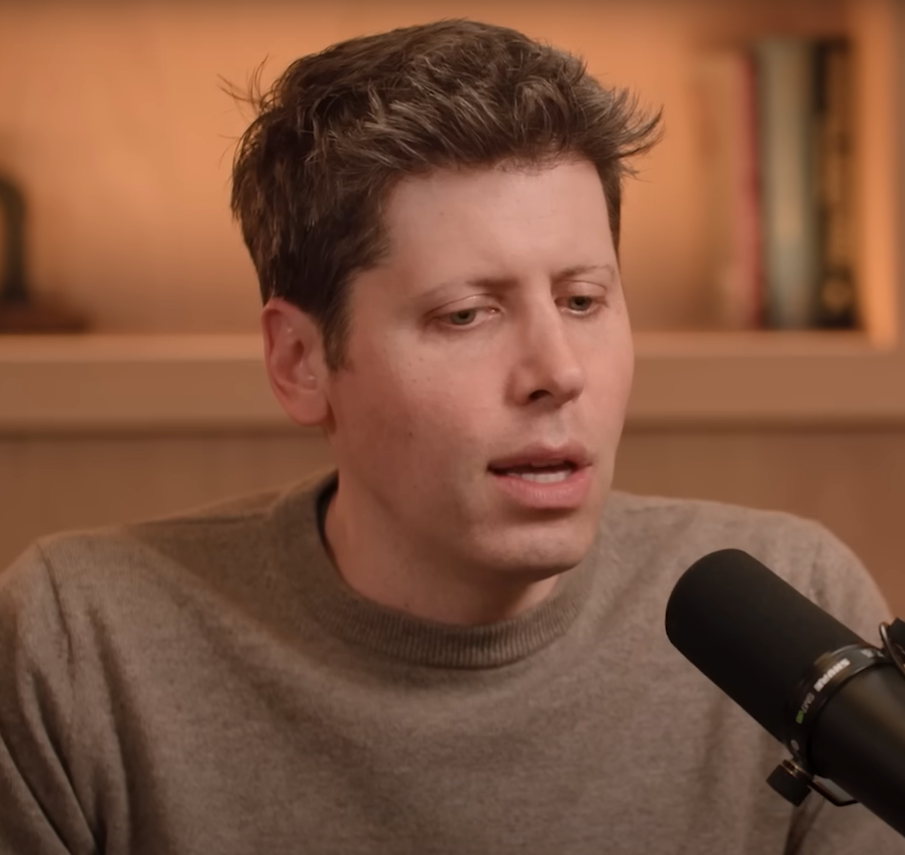
Sam Altman had always been clear about one thing, he really didn’t like ads
Just last year, he described them as “a momentary industry” and said he “kind of hates ads as an aesthetic choice.”
At the time, he emphasized that people paid for ChatGPT so they could trust that advertisers didn’t influence the answers. He even called the idea of “ads-plus-AI” uniquely unsettling.
Now, his perspective seems to be evolving.
In a recent conversation on Stratechery, Altman said something that caught many by surprise. “I love Instagram ads,” he admitted. “They’ve added value to me. I found stuff I never would’ve found, I bought a bunch of things. I actively like Instagram ads.”
Altman still doesn’t sound fully sold on the idea of ChatGPT carrying ads, but he no longer rejects it outright. Instead, he’s entertaining the possibility that advertising, if handled carefully, could fit into OpenAI’s future.
What’s Behind the Change
OpenAI is growing fast, but it’s also expensive to run. The company has hundreds of millions of ChatGPT users, yet only a small fraction pays for subscriptions.
An internal document reportedly projects $1 billion in new revenue from “free user monetization” in 2026. That phrase points directly to ads.
It’s clear OpenAI is exploring ways to generate revenue without compromising user experience. Altman has said that while ads aren’t at the top of their monetization list, he believes there might be “some cool ad product” that’s actually a net positive.
He doesn’t yet know what that will look like, but his comments show he’s open to testing new models that make sense for users.
One idea he mentioned earlier this year was a form of affiliate-style monetization: “If you buy something through Deep Research that you found, we’re going to charge a 2% affiliate fee or something. That would be cool, I’d have no problem with that.”
It’s not a full advertising model, but it shows a willingness to experiment.
The Gradual Softening
By mid-2025, Altman’s language had clearly softened. On OpenAI’s podcast, he said, “We haven’t done any advertising product yet. I’m not totally against it. It’d take a lot of care to get right.”
He also reflected on Google’s earlier days: “Google Search was an amazing product for a long time… There was a time where there were lots of ads, but I still thought it was the best thing on the Internet.”
These remarks suggest he sees a way to make ads useful without letting them dominate or degrade the product.
Later, after launching ChatGPT Pulse, Altman told reporters that OpenAI would “approach ads with great caution.” That emphasis on restraint feels intentional. It’s as if he’s acknowledging the potential and the pitfalls in the same breath.
Why Ads Are Back on the Table
Advertising isn’t new territory for tech companies. It’s how many have sustained massive free user bases. But AI changes the equation. With ChatGPT, the interaction feels more personal and direct, which raises higher expectations around trust and neutrality.
Altman has said before that one of ChatGPT’s strengths is the user’s confidence that its responses aren’t biased by sponsors. Introducing ads could put that trust at risk, unless OpenAI rethinks how advertising works altogether.
That’s likely what he means when he says he wants to create “a net win” for users.
Instead of traditional banners or pop-ups, OpenAI could explore contextual or conversational ad formats—relevant suggestions that appear naturally in a chat, not as interruptions.
The challenge will be making that feel genuine, not commercial.
Learning from Other Platforms
Altman’s reference to Instagram and Google wasn’t casual. Both companies managed to turn advertising into a feature that people accepted, even appreciated, because it was well integrated. Instagram ads feel like part of the feed; early Google ads looked like natural search results.
But over time, both platforms lost some of that balance. Search feels cluttered. Social feeds feel commercial. Altman seems aware of those lessons. His repeated emphasis on care and caution suggests he doesn’t want OpenAI to repeat those mistakes.
If OpenAI introduces ads, it will likely test them slowly and build systems to ensure transparency. Clear labeling and user control could help protect trust, especially if the company’s goal is to keep ads relevant and non-intrusive.
What ChatGPT Ads Might Look Like
Altman hasn’t shared specifics, but based on what he’s said, a few ideas stand out.
Instead of inserting random ads, ChatGPT might display sponsored recommendations that actually respond to user intent. For example, if someone asks, “What’s the best budget camera for travel?” the model could list a few options (some organic, some paid) but clearly disclosed.
Alternatively, OpenAI could adopt affiliate-style links for purchases made through ChatGPT’s Deep Research feature, taking a small fee from transactions without altering search results or recommendations.
That approach keeps the focus on utility. It feels more like discovery than advertising, and it could align well with Altman’s belief that ads should genuinely add value.
The Bigger Picture
It’s easy to see why OpenAI might be rethinking its approach. Running ChatGPT at scale incurs substantial financial costs. Ads offer a way to sustain free access while continuing to fund research and safety development.
But Altman’s hesitation shows that OpenAI understands the trade-offs. If users start feeling like the system is influenced by advertisers, the entire product loses credibility. Maintaining integrity will be just as important as generating revenue.
So far, OpenAI hasn’t launched any ad product. But it’s preparing the foundation: expanding product features like Pulse, building partnerships, and reportedly hiring people with advertising experience. All of those points to preparation for something bigger down the road.
A Careful Balancing Act
Altman’s comments make it clear that if OpenAI ever launches ads, it won’t happen hastily. He knows how fragile user trust can be. Ads that feel helpful might strengthen ChatGPT’s value. Ads that feel manipulative could undo years of progress.
He’s not promising anything yet. “I’m not going to say what we will and will never do because I don’t know,” he said earlier this year. “But I think there’s a lot of interesting ways that are higher on our list of monetization strategies than ads right now.”
What Comes Next
If OpenAI does introduce ads, the reaction will depend entirely on how it’s implemented. People tolerate advertising when it feels honest and helpful, but they reject it quickly if it interferes with trust.
Altman seems aware of that. His acknowledgment that “maybe ads don’t always suck” highlights that OpenAI might try to make them work differently.
The company’s next challenge will be figuring out what “different” really means in practice. Will ChatGPT suggest products directly? Will it disclose partnerships clearly? Will users have the choice to turn it off?
Those details will determine whether this new approach feels innovative or intrusive.
Key Takeaways
- Sam Altman’s once-strong opposition to ads has softened as OpenAI explores new revenue options.
- OpenAI is preparing for potential ad-based monetization in ChatGPT, aiming for $1 billion from free users by 2026.
- Altman is considering ad formats that prioritize usefulness and transparency, not traditional sponsored placements.
- The company plans to approach any advertising model cautiously to preserve user trust.
- This potential move could redefine how AI products balance accessibility, revenue, and credibility.

Zulekha
AuthorZulekha is an emerging leader in the content marketing industry from India. She began her career in 2019 as a freelancer and, with over five years of experience, has made a significant impact in content writing. Recognized for her innovative approaches, deep knowledge of SEO, and exceptional storytelling skills, she continues to set new standards in the field. Her keen interest in news and current events, which started during an internship with The New Indian Express, further enriches her content. As an author and continuous learner, she has transformed numerous websites and digital marketing companies with customized content writing and marketing strategies.
