In a recent interview, Zdanow described how Search Engine Optimization (SEO) is beginning to yield to a new paradigm: Language Model Optimization (LMO).
Instead of consumers typing keywords into a search bar, they are increasingly asking AI assistants for recommendations. The responses they get are more conversational, more curated and more context-aware.
That raises a big question for all of us: Are we prepared for this shift from SEO to LMO? Or are we still clinging to old strategies in a world that has already moved on?
From SEO to LMO: What’s Really Changing?
Zdanow sums it up clearly:
“Instead of typing keywords into Google, consumers are increasingly asking AI models for product recommendations and those models are responding with curated, context-aware suggestions.”
This means the battleground for visibility is no longer just search engine results pages. It is AI models like ChatGPT, Claude, Gemini and Perplexity that are shaping how products and services are discovered.
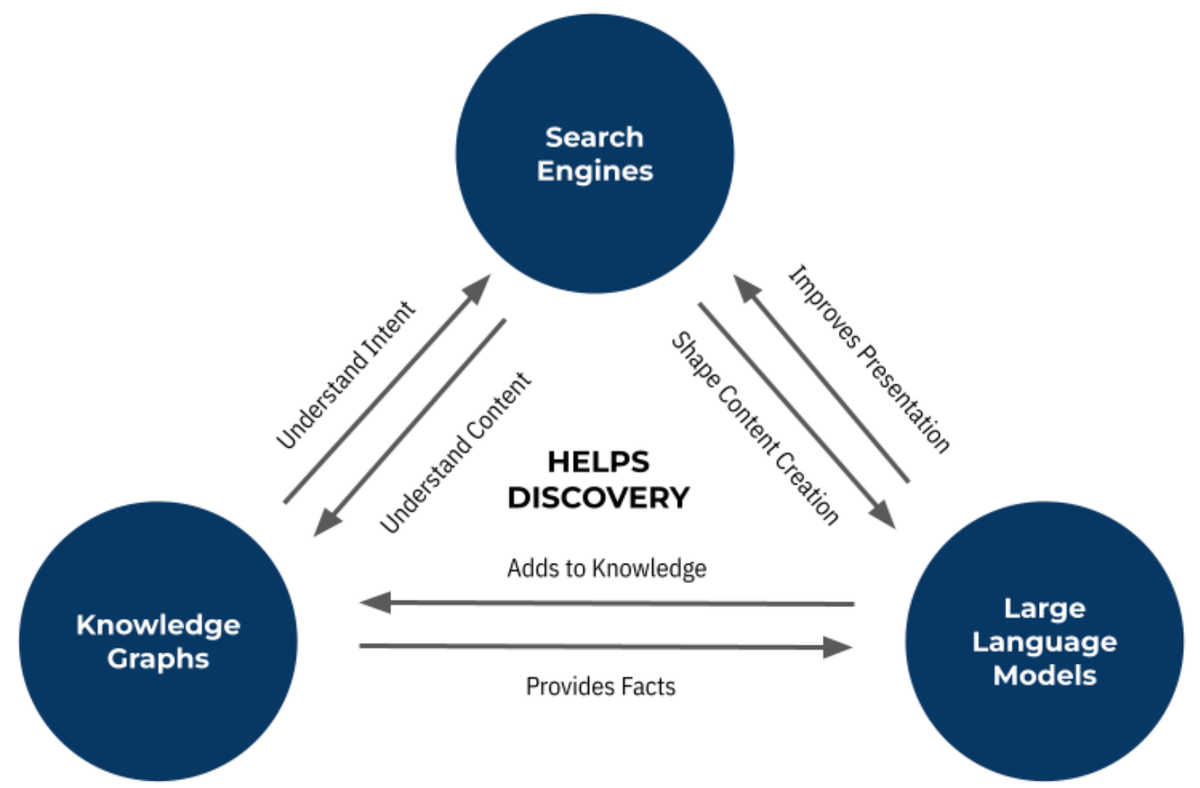
For marketers, the implication is profound.
SEO once about keywords, backlinks and algorithmic rankings is evolving into LMO, which prioritizes context, authority and trustworthiness.
In short: you are not just optimizing for a search engine anymore; you are optimizing for a language model that wants the best, most relevant answer in natural language.
Let’s pause here. If AI becomes the “first stop” for product discovery, what happens to the billions we’ve poured into SEO over the last two decades?
Early Movers Will Win the First-Mover Advantage
History has shown us that those who move early in digital marketing often gain a long-term edge. Think of the brands that jumped on SEO in the mid-2000s or mastered Facebook advertising before it became saturated.
Zdanow believes the same story is about to repeat itself with LMO.
“Brands that adapt early to this LMO mindset will have a first-mover advantage.”
In practice, that means companies that start tailoring their content for AI-driven recommendations now will likely dominate when LMO becomes mainstream. It is not the end of SEO but an evolution.
The ONAR Playbook: Building for an AI-Driven Future
ONAR Holding Corporation is not just observing the shift but they are actively reshaping their business model around it.
Recently, ONAR acquired Retina.ai, a company with proprietary machine learning capabilities for ad optimization. According to Zdanow, this is just the beginning.
“We are looking at acquisitions that strengthen our data science, predictive analytics, and emerging channel marketing capabilities, especially in sectors like e-commerce, consumer goods and high-growth DTC brands.”
This aggressive acquisition strategy signals that ONAR is not just positioning itself as a marketing agency—it’s building a full AI-powered marketing ecosystem.
And the numbers back it up. In Q1 2025 alone, ONAR reported 79% year-over-year revenue growth to $1.07 million. Their advertising and marketing segment generated $735,000 in revenue, with 90% recurring. For a company operating in an industry being disrupted, that level of scalability and predictability is telling.
Big Brands Leading the Way with AI
If you are still wondering whether AI-driven discovery is just a hype then lets look at the brands already doing it:
- Nike is using AI for personalized shoe recommendations that make product discovery seamless.
- Sephora has pioneered virtual AI-powered try-on experiences that replicate in-store personalization online.
- Coca-Cola has integrated AI into creative campaigns, blending data and storytelling to engage customers at scale.
These are not experiments. They are examples of AI not just being bolted onto marketing strategies but fundamentally redefining customer experiences.
ONAR’s own agency, Storia, recently proved how powerful this shift can be.
By applying AI-powered visuals, strategic targeting refinements and full-funnel optimizations, Storia helped a major industrial client cut ad spend by 44% while increasing acquisition quality and performance.
What Does LMO Look Like in Practice?
So, what does Language Model Optimization actually mean for a brand’s day-to-day marketing? Zdanow explains:
“It’s not about gaming the system; it is about creating content that AI can trust as the best answer, which means genuinely solving the audience’s problem, not just chasing rankings.”
In other words, success in an LMO world is about:
- Relevance: Does your content directly answer user queries in a way that feels natural in conversation?
- Authority: Do AI models trust your brand enough to recommend it?
- Value: Are you solving real customer pain points, not just optimizing for clicks?
This sounds simple, but it’s a radical shift in mindset. For years, SEO strategies have focused on chasing algorithms. LMO flips the focus back to the audience’s needs, intent and trust.
Tools, Frameworks and the Future of AI-Driven Discovery
The company is developing proprietary frameworks that combine AI data modeling, brand narrative mapping and real-time content optimization.
The goal is straightforward: ensure their clients appear as trusted, top-tier recommendations in AI-driven search and commerce.
This makes sense.
Just like SEO agencies once developed keyword strategies and link-building tactics, the next decade will likely see LMO frameworks become an industry standard.
Why Investors Are Watching
For investors, ONAR’s transformation is particularly interesting.
By sunsetting non-core businesses and doubling down on AI-enabled performance marketing, the company has positioned itself at the center of the technology-enabled marketing revolution.
Their growth milestones for H2 2025 include:
- Closing pending acquisitions for scale.
- Expanding margins by streamlining operations.
- Building a profitable, AI-first public platform for long-term value.
It is rare to see a marketing agency shift its core so decisively and it speaks to just how serious the AI transition is.
Ethical Questions: Influence vs Manipulation
Of course, with AI comes responsibility. Where do we draw the line between helpful recommendations and manipulation?
Zdanow is clear:
“Transparency and trust have to come first. AI should be used to enhance the consumer experience, not mislead.”
That means:
- Disclosing AI-generated content when necessary.
- Basing recommendations on genuine product fit.
- Holding brands accountable to ethical standards that protect consumers.
In an era where AI can generate anything, trust becomes the most valuable currency.
Let’s See Where LMO Takes Us
So, is SEO dead? No. But it is evolving. Language Model Optimization is the next step in the journey.
For marketers, the lesson is clear: don’t wait until AI-driven discovery is the norm. By then, the first movers will have already built their advantage.
And as Zdanow points out, the winners won’t be the brands that chase the algorithm and they will be the ones that answer customer questions better than anyone else.
At Stan Ventures, we help brands move beyond traditional SEO into Language Model Optimization (LMO). With our expertise in AI-driven strategies, we ensure your business stays visible not only on Google but also within emerging AI-powered search channels.

Dileep Thekkethil
AuthorDileep Thekkethil is the Director of Marketing at Stan Ventures, where he applies over 15 years of SEO and digital marketing expertise to drive growth and authority. A former journalist with six years of experience, he combines strategic storytelling with technical know-how to help brands navigate the shift toward AI-driven search and generative engines. Dileep is a strong advocate for Google’s EEAT standards, regularly sharing real-world use cases and scenarios to demystify complex marketing trends. He is an avid gardener of tropical fruits, a motor enthusiast, and a dedicated caretaker of his pair of cockatiels.