
Buying fake Google reviews might seem like a quick way to boost your business, but it could cost you everything.
In a recent SEO On-Air podcast by Stan Ventures, host Steve Olenski and SEO expert Joy Hawkins revealed the escalating risks of review manipulation.
Hawkins, known for her expertise in local SEO, reinforced this with a tweet, stating that “buying fake reviews appears to be getting harder.”
With Google’s crackdown intensifying, businesses relying on these unethical practices face severe penalties, including review blocks, warnings, and loss of credibility.
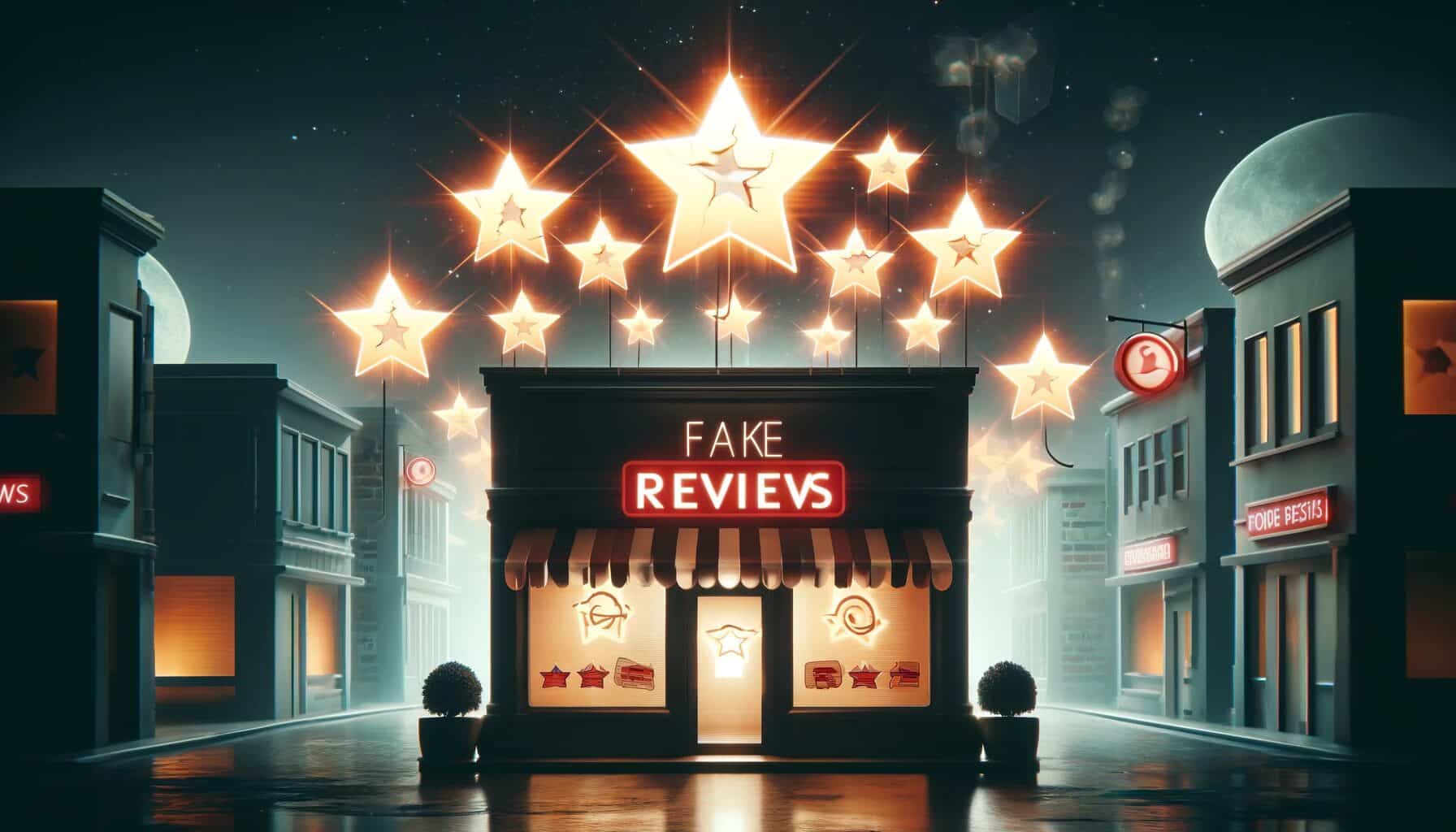
The Dangerous Appeal of Fake Reviews
Why do businesses turn to fake reviews? Well, it’s simple: they’re an easy shortcut. Reviews heavily influence Google Business Profile rankings, and potential customers often trust what they read online.
For businesses struggling to compete, the temptation to boost their profiles artificially can feel overwhelming.
In the ‘SEO on Air’ episode, Hawkins and Olenski outlined why this seemingly harmless tactic can backfire catastrophically. Google’s new systems are better than ever at identifying suspicious activity.
https://www.youtube.com/watch?v=hzrxW_En1l4&t=1103s
As Hawkins emphasized, “The benefit of reviews is so high, it’s no wonder people put their moral compass aside. But it’s also a Russian Roulette—you’re playing with fire.”
Google has introduced sophisticated measures to detect and combat review manipulation, including:
- Review Blocking: Google can disable a business’s ability to receive any new reviews for extended periods, sometimes lasting six to eight months.
- Suspicious Labels: In some regions, like the UK, Google has begun labeling businesses suspected of review manipulation. These warnings prominently inform users that a business’s reviews have been flagged, severely damaging credibility.
- Collateral Damage: Even authentic reviews can be removed if Google detects unusual patterns. Hawkins explained on the podcast that businesses often find themselves in a nightmare scenario where even legitimate customer feedback is wiped out.
These measures can tarnish a business’s reputation, deter potential customers, and have long-term consequences for growth.
Why Stopping Fake Reviews Is Important
Google’s efforts to combat fake reviews go beyond punishing offenders—they are essential for restoring trust in the digital marketplace.
Fake reviews mislead consumers, creating an uneven playing field that penalizes businesses committed to honesty and integrity.
When competitors manipulate reviews, legitimate companies that abide by ethical practices often suffer the most, as they face unfair competition and diminished visibility.
Joy Hawkins’ recent tweet reflects a silver lining: Google’s efforts seem to be making fake reviews harder to buy. “Good news,” she wrote, “Buying fake reviews appears to be getting harder… People are complaining about how difficult it is.”
https://x.com/joyannehawkins/status/1874516344638505077?s=46
Her optimism makes it clear that things are changing, and businesses that follow ethical practices will benefit as the competition becomes fairer.
A Growing Problem
The fake review epidemic isn’t new. In 2023, Google reported filtering 45% more fake reviews than the previous year. Despite this, businesses have continued to exploit the loopholes.
Hawkins’ observations during the podcast revealed that historically, enforcement has been lax, with the FTC penalizing only a handful of cases over five years.
However, recent advancements in AI and increased consumer awareness are pushing Google and regulatory bodies to act more decisively.
Practical Advice for Businesses
For businesses looking to maintain a strong and authentic reputation, here’s what to do:
Encourage Genuine Feedback: Focus on delivering excellent service and ask customers to leave honest reviews.
Monitor and Report: Keep a close eye on your Google Business Profile for suspicious activity and report fake reviews immediately.
Invest in Long-Term Strategies: Ethical SEO practices, including quality content and genuine link-building, provide sustainable growth.
Stay Updated: Follow industry news and updates to adapt to evolving Google policies.
Avoid Shortcuts: The risks of buying fake reviews far outweigh the potential rewards.
The Road Ahead
As Google’s tools for detecting fake reviews improve day by day, the stakes for businesses grow higher.
Ethical practices are no longer just a matter of integrity—they’re a requirement for survival in an increasingly transparent online environment.
The rewards for businesses willing to embrace authenticity are clear: sustained growth, stronger trust, and a reputation that truly reflects their value.
Key Takeaways
- Google’s advanced AI is making fake reviews harder to buy and sustain.
- Review manipulation can result in severe penalties, including review blocking and warning labels.
- Honest businesses are disproportionately hurt by fake reviews, but ethical practices remain the best long-term strategy.
- Google’s crackdown is a win for consumers and businesses prioritizing authenticity.
- Staying informed through credible sources and industry experts is essential for success.

Dileep Thekkethil
AuthorDileep Thekkethil is the Director of Marketing at Stan Ventures, where he applies over 15 years of SEO and digital marketing expertise to drive growth and authority. A former journalist with six years of experience, he combines strategic storytelling with technical know-how to help brands navigate the shift toward AI-driven search and generative engines. Dileep is a strong advocate for Google’s EEAT standards, regularly sharing real-world use cases and scenarios to demystify complex marketing trends. He is an avid gardener of tropical fruits, a motor enthusiast, and a dedicated caretaker of his pair of cockatiels.
