
Google’s Preferred Sources feature allows users to choose which publishers they want to see more often in Top Stories. While publishers cannot enable this themselves, there are steps that increase the likelihood of being selected.
Ever notice how the same publishers keep showing up in Google’s Top Stories, even when the topic changes? It is not a coincidence, and it is not something those sites can switch on behind the scenes.
Google’s Preferred Sources feature lets users choose which publishers they want to see more often, but publishers themselves have no way to opt in. That makes the pattern harder to ignore. If no one can apply, why does Google keep returning to the same sources?
Google does not publicly publish a checklist for becoming a “preferred source,” but its behavior across search, Top Stories, AI Overviews, and Discover makes one thing clear. Google consistently returns to the same publishers and websites when it needs reliable information. Those sites earn repeat visibility not by chasing tricks, but by proving, over time, that they are dependable.
Becoming a preferred source is less about ranking for one keyword and more about being the site Google trusts to answer a topic correctly again and again.
This guide explains what that trust looks like in practice and how you can build it deliberately.
What Google Means by a “Preferred Source”
A preferred source is a website Google feels confident showing again and again when a topic comes up.
That confidence shows up across several surfaces:
- Top Stories results
- “From your sources” sections
- Featured snippets
- AI-powered summaries
- Discover recommendations
The Preferred Sources feature does not replace Google’s ranking systems. It reinforces them.
When users actively select publishers they trust, Google gives those sources more prominence when they publish relevant and timely content.
So how does that choice actually happen? Let’s show you how users select preferred sources in Google Search.
Step 1: Search for a topic that is currently in the news.
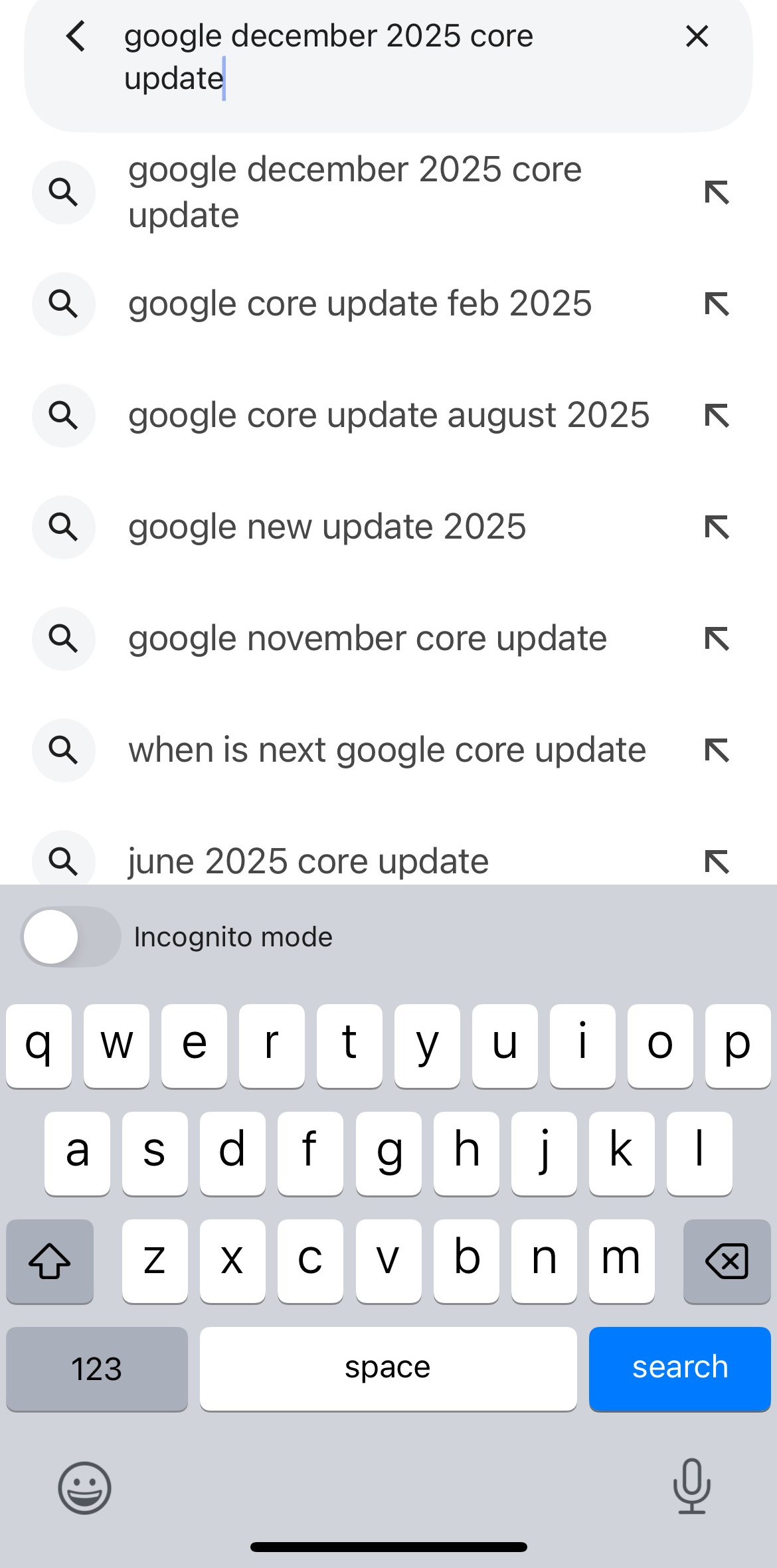
Step 2: Scroll to the Top Stories and click the selection icon.
Step 3: Choose the publishers you want to see more often.
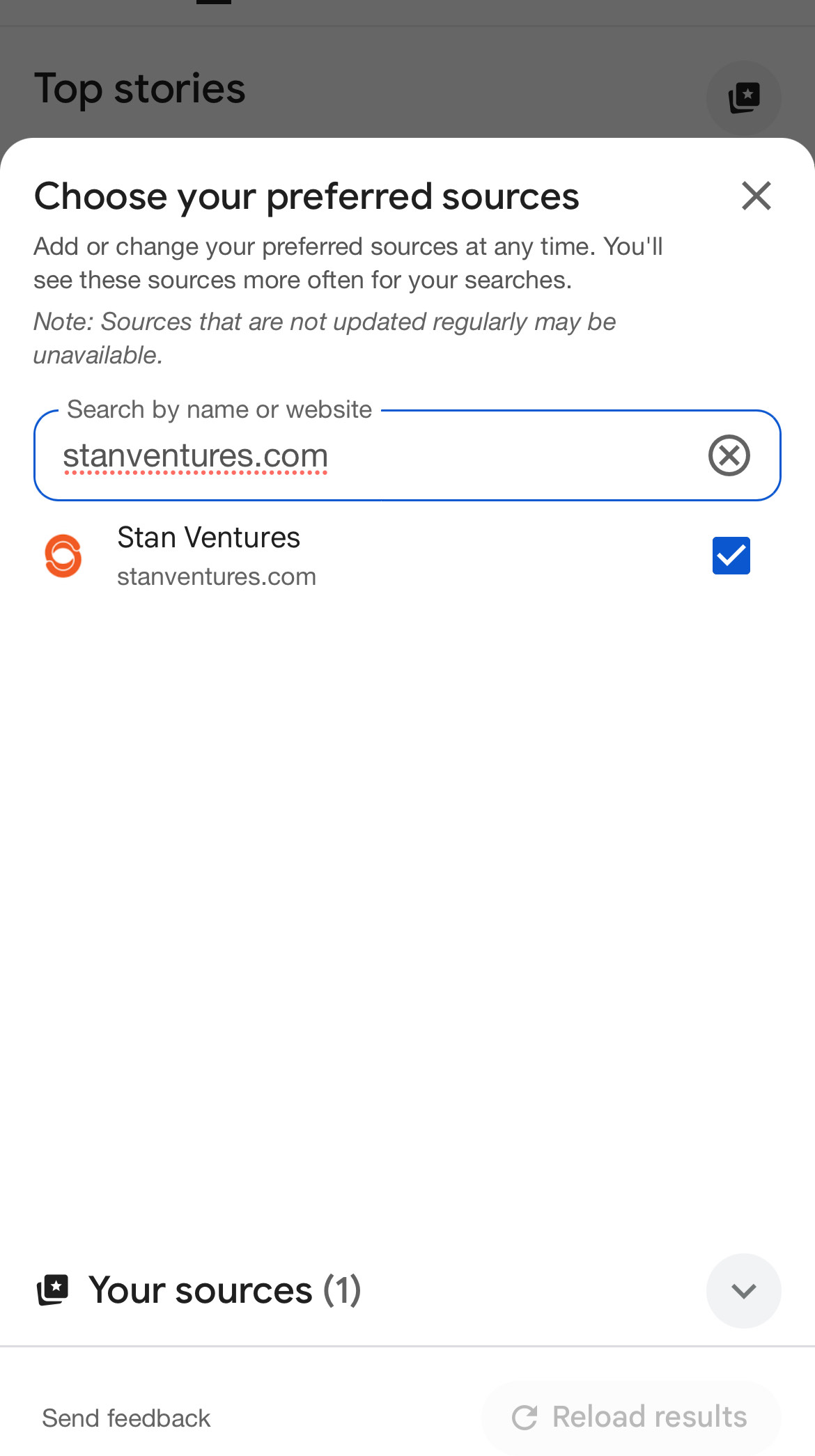
Once selected, those publishers may appear more frequently in Top Stories or within a dedicated “From your sources” section, provided they have published fresh and relevant content. Users can add or remove preferred sources at any time, and content from other publishers will continue to appear alongside preferred ones.
How to Improve the Chances of Being Chosen as a Preferred Source
Here are the practical steps publishers can take to improve the chances that users select their site as a preferred source in Google Search.
1. Start With a Clear Editorial Identity
One of the fastest ways to lose trust is to feel inconsistent.
Sites that publish everything for everyone rarely feel worth following. Preferred sources usually have a clear lane. They are known for covering specific topics, industries, or regions in a consistent way.
Ask yourself a few direct questions:
- If a reader visits your site three times in a month, do they understand what you stand for
- Does your content sound like it comes from the same editorial team
- Would someone describe your site in one sentence without hesitation
Clarity of focus makes it easier for users to decide that your site deserves a permanent place in their feed.
2. Publish With Predictability, Not Just Frequency
Being active matters, but randomness does not build loyalty.
Readers trust sites that show up when they expect them to. That could mean daily updates, weekly deep dives, or timely coverage around specific events. What matters is that the cadence feels intentional.
Erratic publishing schedules signal instability. Long gaps followed by bursts of content feel reactive rather than reliable.
A predictable rhythm helps users form habits, and habits are what lead to “preferred source” decisions.
3. Show Who Is Behind the Content
Transparency is not optional anymore.
Users are far more likely to trust content when they know who wrote it and why that person is qualified to cover the topic. Clear author bylines, detailed author pages, and visible editorial standards all contribute to this trust.
This does not mean every author needs celebrity status. It means accountability. Readers should be able to see that real people with real expertise are responsible for what they are reading.
Google’s documentation around quality and trust consistently points in this direction, and user behavior follows the same logic.
4. Be Consistently Accurate, Even When It Is Boring
Accuracy is not just about avoiding major errors. It is about getting the small details right over time.
Sites that quietly correct mistakes, update older articles, and clearly separate facts from opinions tend to earn long-term trust. Sensational framing or rushed conclusions may attract clicks, but they erode credibility.
Preferred sources are not necessarily the loudest voices. They are the ones readers feel safe relying on when they want to understand what is actually happening.
5. Write for Humans First
This advice is not new, but it matters more in a user-choice environment.
Content that feels written for search engines rarely inspires loyalty. Over-optimized headlines, forced keywords, and repetitive phrasing make a site feel transactional.
Conversational writing does not mean casual or sloppy. It means clear explanations, logical flow, and respect for the reader’s time. When users feel understood, they are more likely to return and more likely to select your site as a preferred source.
6. Maintain Strong Technical and UX Foundations
Trust can be lost quickly through a poor experience.
Slow pages, intrusive ads, broken layouts, and aggressive popups all create friction. Even strong editorial brands can lose user goodwill if the site experience feels frustrating.
From Google’s perspective, technical quality is a baseline expectation. From a user’s perspective, it is part of the trust equation. A site that is hard to read or navigate does not feel dependable, no matter how good the writing is.
7. Be Selective About What You Cover
Not every trending topic needs your take.
Preferred sources often earn trust by knowing when not to publish. Chasing every breaking story can dilute your expertise and confuse readers about what you are actually good at.
It is better to skip a story than to publish something thin, speculative, or outside your core knowledge. Over time, restraint signals confidence.
8. Encourage Direct Relationships With Readers
Users who choose preferred sources are making an intentional decision. You should support that mindset by building direct connections beyond search.
Newsletters, alerts, and consistent branding across platforms help reinforce familiarity. When readers recognize your voice and visuals instantly, choosing your site becomes easier.
This also reduces dependence on any single traffic source and aligns with Google’s broader push toward rewarding strong publisher-reader relationships.
9. Measure the Right Signals
Becoming a preferred source is not reflected in a single metric.
Look beyond raw traffic and focus on signals like repeat visits, time spent reading, newsletter sign-ups, and direct brand searches. These behaviors indicate trust and recognition, which are the same factors that lead users to prioritize a source.
If those signals are improving, you are likely moving in the right direction, even if rankings fluctuate.
10. Keep Earning the Selection
Making your site a preferred source on Google is not about chasing a feature. It is about earning a place in a reader’s routine.
That takes time, discipline, and a willingness to prioritize credibility over short-term wins. The payoff is not just better visibility. It is a more resilient presence in a search landscape that increasingly rewards trust over tactics.
The Bottom Line
Google’s Preferred Sources feature rewards publishers that readers actively choose, not those that chase visibility shortcuts. There is no form to fill out and no setting to enable. The only way in is through consistent value.
Sites that publish with a clear purpose, maintain reliability, and respect their audience’s time are the ones most likely to be selected. Preferred Sources simply reflects that trust back into search results.
For publishers, this is a reminder that discoverability and audience loyalty are no longer separate goals. When readers decide a site deserves more of their attention, Google is increasingly willing to follow their lead.
Key Takeaways
- Users (not publishers) decide which sites become preferred sources
- A defined editorial focus makes selection easier for readers
- Familiarity built over time plays a major role in trust
- Publishers can explain and promote the selection process to audiences
- Sustained quality keeps a site selected long after the first choice

Zulekha
AuthorZulekha is an emerging leader in the content marketing industry from India. She began her career in 2019 as a freelancer and, with over five years of experience, has made a significant impact in content writing. Recognized for her innovative approaches, deep knowledge of SEO, and exceptional storytelling skills, she continues to set new standards in the field. Her keen interest in news and current events, which started during an internship with The New Indian Express, further enriches her content. As an author and continuous learner, she has transformed numerous websites and digital marketing companies with customized content writing and marketing strategies.
