
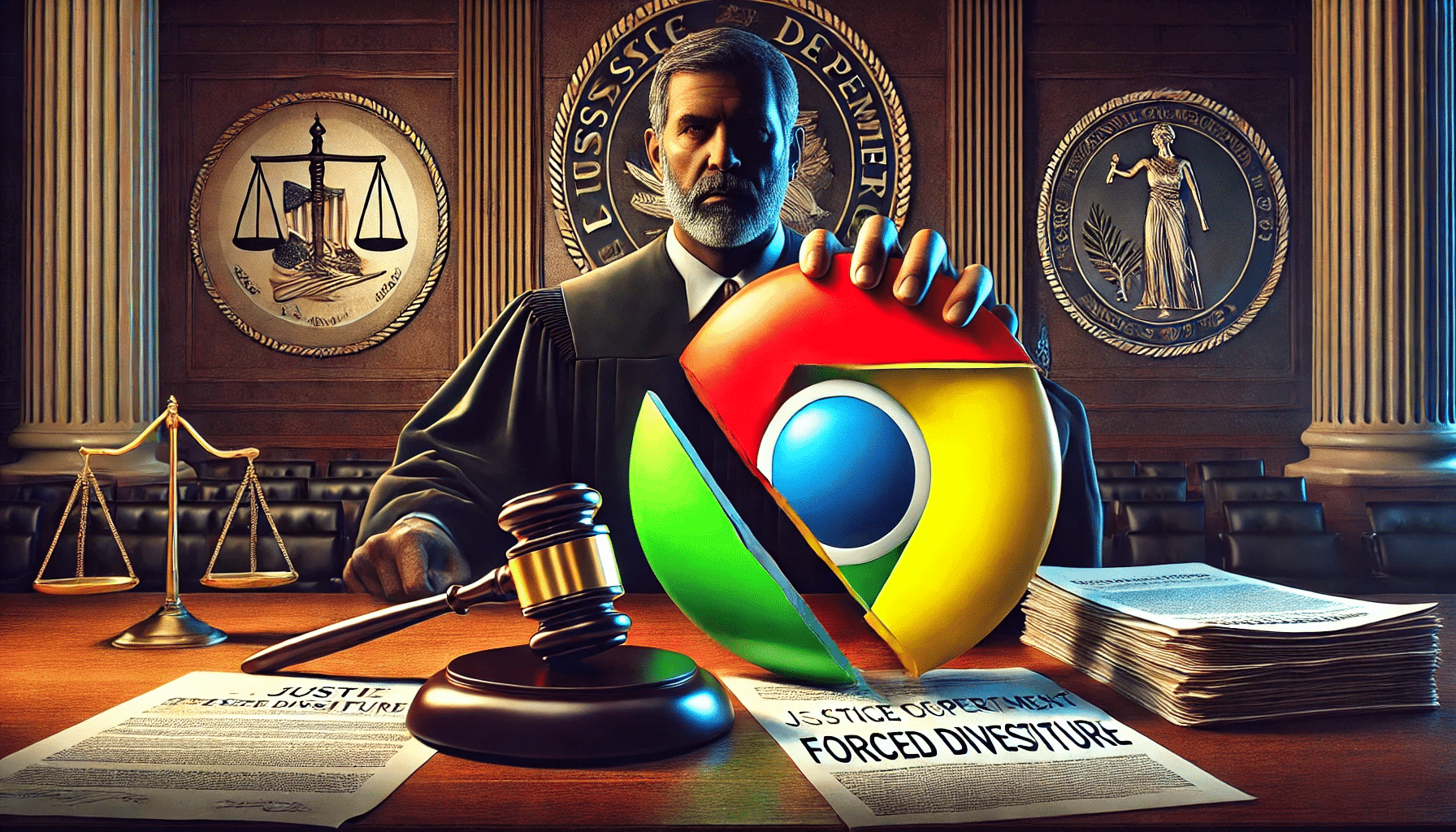
The U.S. Justice Department (DOJ) has renewed its push to weaken Google’s dominance in online search, demanding that the tech giant sell its Chrome browser.
The move, part of an updated legal proposal, is aimed at dismantling Google’s control over a crucial gateway to internet searches.
But will it truly level the playing field, or is this just another chapter in the long battle against Big Tech monopolies?
DOJ Turns Up the Heat on Google’s Monopoly
Ahead of a key hearing in April, the DOJ has reaffirmed that Google’s control over Chrome gives it an unfair advantage in search and that selling the browser could create space for real competition.
The updated proposal follows an earlier version from November and comes as regulators seek to curb Google’s influence over how users access information online.
The latest proposal no longer includes a demand for Google to sell its Android operating system, but that could change.
Should the DOJ’s other suggested reforms not lead to a more equitable market, the government may reconsider the option of requiring Google to divest Android too.
A final ruling is expected by September 2025, and Google has already made it clear that it will appeal any decision against it.
Why Selling Chrome Could Change the Search Game
Google has long controlled both the search engine and the browser that many people use to access it.
Chrome, with a global market share of over 60%, acts as a funnel directing users to Google Search by default.
The DOJ argues that separating the two could disrupt Google’s monopoly and allow rival search engines—like Bing, DuckDuckGo, or new challengers—to gain ground.
However, the DOJ’s demand raises several questions:
- If Google is forced to sell Chrome, will it still contribute to the Chromium project, the open-source foundation behind the browser?
- Who will maintain Chrome and update Chromebooks if Google no longer owns it?
- Can a new owner of Chrome actually challenge Google’s search dominance, or will users continue defaulting to Google Search?
Google’s Response: A Fight to Keep Control
Google isn’t staying silent. The company has proposed its own changes to Android and browser contracts, hoping to convince regulators that a breakup isn’t necessary. It strongly opposes selling Chrome and is prepared to fight the decision in court.
One significant shift in the DOJ’s approach involves Google’s investments in artificial intelligence. Initially, the government wanted to restrict Google’s ability to invest in AI companies, fearing it would stifle competition.
However, regulators have since reconsidered, warning that such restrictions could unintentionally slow AI advancements. Instead, Google will have to notify regulators before making AI-related acquisitions but won’t face an outright ban.
What This Means for Big Tech and the Future of Competition
This case against Google is just one of many battles regulators worldwide are waging against tech giants.
Governments are increasingly pushing back against monopolistic practices, from Meta’s acquisitions to Amazon’s e-commerce dominance. A forced sale of Chrome by Google could set a precedent for breaking up other Big Tech companies in the future.
If the ruling goes in the DOJ’s favor, companies like Apple, Microsoft, and Amazon may face similar scrutiny over their dominant products and platforms.
A forced Chrome sale could also shake up the browser market, potentially leading to new innovations and stronger competition.
What Happens Next?
All eyes are on the April hearing, where the DOJ will make its case against Google. If regulators win, Google could be forced to undergo a major restructuring. And, if Google successfully appeals, the government may have to rethink its strategy for tackling tech monopolies.
Regardless of the outcome, one thing is clear: The fight over Google’s dominance is far from over.
With a final ruling expected by September 2025, this legal battle will shape the future of online search, digital competition, and how Big Tech is regulated.
Key Takeaways
- The U.S. government wants Google to sell Chrome to weaken its search monopoly.
- Chrome serves as a crucial gateway to Google Search, reinforcing its dominance.
- The company is fighting back, proposing its own market reforms.
- The case could set a precedent for future actions against Big Tech monopolies.
- A final ruling is expected before September 2025, with Google ready to appeal.

Dileep Thekkethil
AuthorDileep Thekkethil is the Director of Marketing at Stan Ventures, where he applies over 15 years of SEO and digital marketing expertise to drive growth and authority. A former journalist with six years of experience, he combines strategic storytelling with technical know-how to help brands navigate the shift toward AI-driven search and generative engines. Dileep is a strong advocate for Google’s EEAT standards, regularly sharing real-world use cases and scenarios to demystify complex marketing trends. He is an avid gardener of tropical fruits, a motor enthusiast, and a dedicated caretaker of his pair of cockatiels.
