A large-scale analysis of nearly one million AI conversations reveals a simple truth. Most people use assistants for quick tasks, while a small share of long, detailed sessions deliver significant value.
A new look at 4.4 billion characters and almost 4 million turns of user activity offers a clearer picture of everyday AI use.
The data covers who is using these tools, what they ask for, and how conversation length shapes the value people get from AI systems.
Researchers also reviewed more than 24,000 sessions to understand user intent. Their findings confirm that short exchanges dominate, while deeper, more time-intensive sessions still play an important role.
Most Conversations End Quickly
The typical session is brief. The median conversation is 2 turns long, and the average is under 5. Many users ask one question and move on.
More than 80% of sessions stay under 1,000 words. The assistant provides close to 60% of the total content, which shows how heavily people lean on AI to expand short prompts into full answers.

A small but important segment behaves differently. About 4% of chats exceed 2,500 words. These longer sessions often involve rewriting documents, analyzing data, or working through multi-step tasks. Even though they are rare, they often deliver far more value than quick exchanges.
What People Want From AI
When researchers classified session types, they found that roughly two-thirds had no commercial intent. Users mostly turned to AI for brainstorming, learning, planning ideas, conversation, and content transformation, such as summarizing or translating.
About 35% showed some commercial behavior, but most were early in the buying journey. People asked broad awareness questions, compared options, or looked for help after purchase, including setup and troubleshooting.
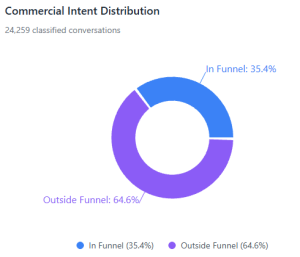
This pattern signals opportunities for businesses and publishers. Users ask more questions before and after buying than during the moment of decision.
Why This Matters for Content and Product Teams
The study gives a strong signal to anyone creating content or building marketing strategies.
People rely on AI to learn about products, compare options, and understand what to choose. They also return after buying, often looking for setup help or simple fixes. Well-structured guides, troubleshooting notes, and easy instructions meet users exactly where they need support.
For product teams, the findings show two patterns worth focusing on. Short sessions demand quick, accurate replies that resolve questions without extra steps.
Longer sessions call for reliable document handling, steady context, and features that help users work through more complex tasks in an organized way.
What Teams Can Do Right Now
Here are a few helpful moves based on the data.
- Keep quick answers clear and actionable because most sessions end almost immediately.
- Offer structured tools for longer workflows, such as document uploads or multi-step planning.
- Build more post-purchase content, like setup and troubleshooting guides. Users already seek this support.
- Use prompts and templates to help users expand simple questions into richer conversations.
- Track session patterns to understand whether short answers solve the problem or push users toward longer chats.
Brands that publish clear setup guides, comparison pages, and educational resources tend to attract users who return with follow-up questions. Many teams pair these materials with AI SEO strategies to keep their content visible across both search engines and AI-driven assistants. This approach helps businesses meet users at the moments when they are researching, comparing options, or looking for guidance after purchase.
Key Takeaways
- Most AI chats end in two turns.
- The assistant generates most of the wording in each conversation.
- A small group of long sessions contributes strong value despite low frequency.
- Creative, learning, and planning tasks dominate non-commercial use.
- Post-purchase questions remain a significant but underserved category.

Zulekha
AuthorZulekha is an emerging leader in the content marketing industry from India. She began her career in 2019 as a freelancer and, with over five years of experience, has made a significant impact in content writing. Recognized for her innovative approaches, deep knowledge of SEO, and exceptional storytelling skills, she continues to set new standards in the field. Her keen interest in news and current events, which started during an internship with The New Indian Express, further enriches her content. As an author and continuous learner, she has transformed numerous websites and digital marketing companies with customized content writing and marketing strategies.
