
OpenAI CEO Sam Altman has announced the company’s first open-weight AI language model since GPT-2, set for release in the coming months.
This step will allow businesses, developers, and governments to modify and deploy the AI independently, signaling a major shift in OpenAI’s approach.
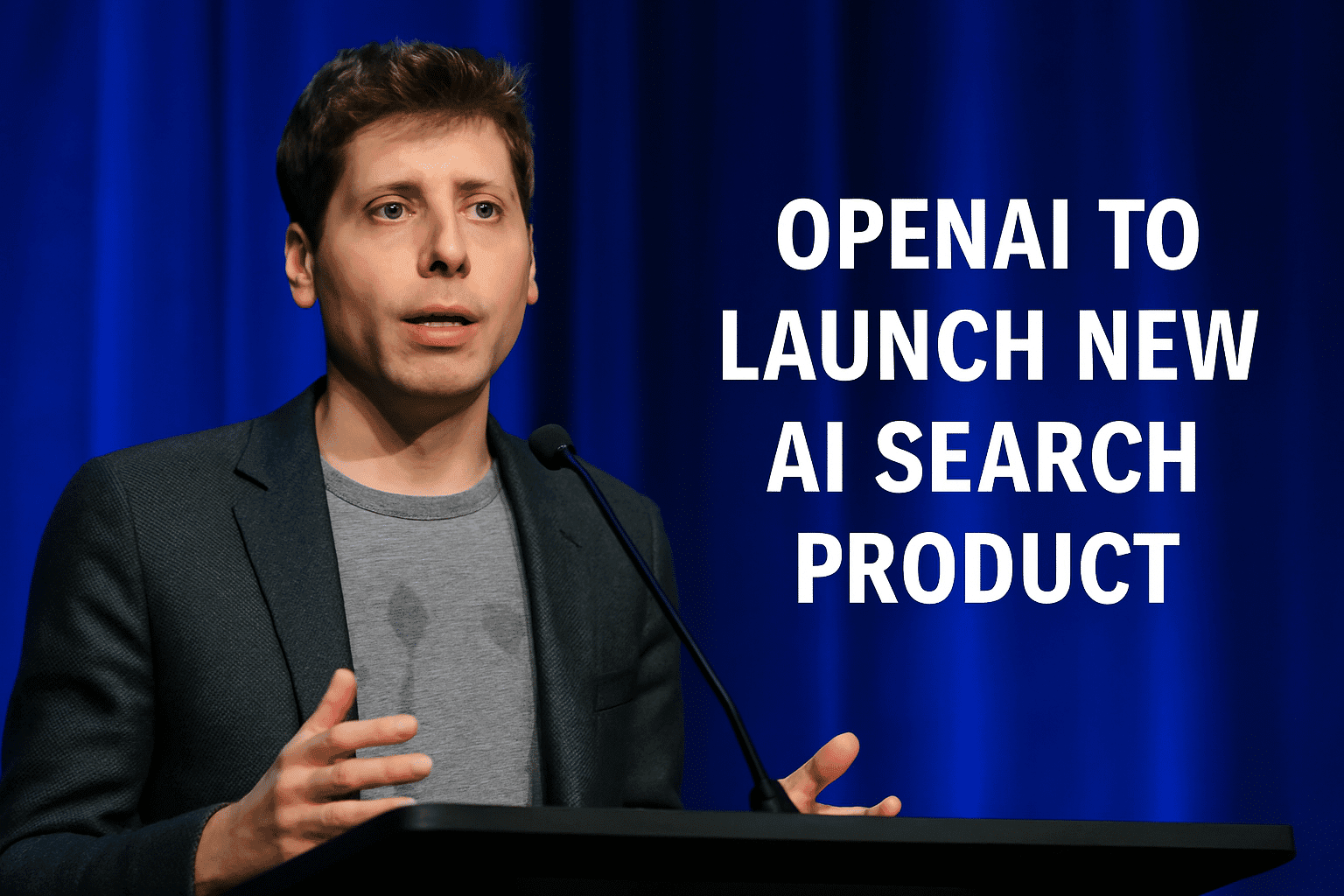
The decision comes amid rising demand for AI models that offer more flexibility and control.
OpenAI, which previously focused on proprietary systems, now acknowledges the need for adaptable AI that meets specific industry and regulatory requirements.
TL;DR: we are excited to release a powerful new open-weight language model with reasoning in the coming months, and we want to talk to devs about how to make it maximally useful: https://t.co/XKB4XxjREV
we are excited to make this a very, very good model!
__
we are planning to…
— Sam Altman (@sama) March 31, 2025
Why It Matters
Unlike closed AI models, open-weight AI lets users customize and fine-tune the system. This is a game-changer for organizations with strict security, regulatory, or operational needs.
Altman emphasized OpenAI’s commitment to quality, stating, “We are excited to make this a very, very good model!”
The move marks a reversal from OpenAI’s previous stance on open-weight models, now seeing them as essential for AI development.
Testing Before Release
Before launch, OpenAI will rigorously test the model using its preparedness framework to ensure safety and performance.
Open-weight AI presents security risks, as users can modify it in unintended ways. To mitigate these risks, OpenAI will enforce safeguards and gather industry feedback.
Developer and Industry Input
OpenAI is hosting global developer events to refine the model before release. The first sessions will be held in San Francisco, followed by meetings in Europe and Asia-Pacific.
Developers and industry leaders can contribute insights that may shape the final product.
Impact on Businesses and Developers
This is a rare opportunity for developers to work with a powerful AI model that they can customize.
For businesses and governments, an open-weight model offers more control over deployment, reducing reliance on proprietary AI systems.
AI Regulation and Ethics
This announcement comes as AI governance becomes a pressing issue. While open-weight AI fosters innovation, it also raises concerns about misinformation and cybersecurity threats.
OpenAI’s approach suggests an effort to balance openness with responsibility.
OpenAI’s latest move could set a new industry standard as AI evolves. The response from businesses, regulators, and developers will determine its long-term impact.
How to Get Involved
Developers and industry leaders can participate in OpenAI’s feedback events to influence the model’s final version.
Organizations planning to adopt AI should prepare for responsible deployment, ensuring ethical guidelines and security measures are in place.
Key Takeaways
- OpenAI will release an open-weight AI model, marking a major strategic shift.
- Users will be able to modify and deploy the model independently.
- OpenAI will test the model rigorously to ensure safety before launch.
- Global developer events will refine the model with industry input.
- The release raises new challenges in AI governance and security.

Dileep Thekkethil
AuthorDileep Thekkethil is the Director of Marketing at Stan Ventures, where he applies over 15 years of SEO and digital marketing expertise to drive growth and authority. A former journalist with six years of experience, he combines strategic storytelling with technical know-how to help brands navigate the shift toward AI-driven search and generative engines. Dileep is a strong advocate for Google’s EEAT standards, regularly sharing real-world use cases and scenarios to demystify complex marketing trends. He is an avid gardener of tropical fruits, a motor enthusiast, and a dedicated caretaker of his pair of cockatiels.
