
An important update came out for the digital marketing and SEO industry, with Google’s Gary Illyes clarifying the importance of header tags (H1, H2, etc.) in search engine optimization.
This key information, shared during the July 2024 SEO Office Hours podcast, is set to change how we use headings on web pages, influencing SEO practices everywhere.
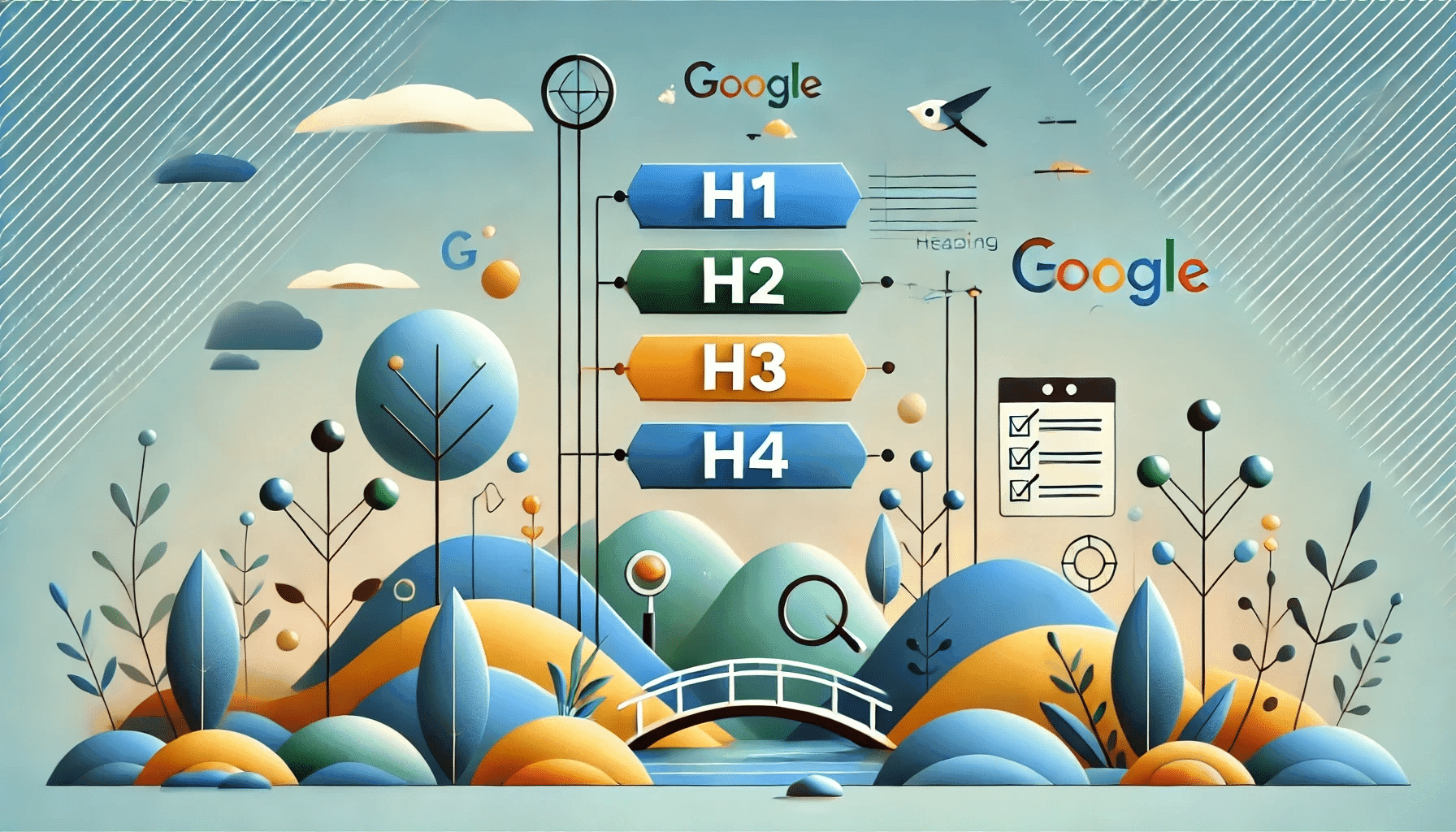
SEO Community Gets Clear Directions
The discussion began with a query posted on search central forum by a user who noticed a possible conflict between Google’s SEO Starter Guide and advice from some SEO tools.
The question asked was about the necessity to strictly follow a hierarchical order of heading tags to improve SEO, as some tools suggested, even though Google’s guide seemed to say otherwise.
Illyes responded clearly and insightfully. He confirmed that arranging headings in semantic order is helpful for accessibility, especially for users who rely on screen readers, but it doesn’t significantly impact Google’s ranking algorithms.
This means headings should improve the user experience by clearly organizing content rather than being used as a direct SEO tactic.
Breaking Down the Impact
For years, SEO experts have strongly advised using header tags (like H1, H2, H3, etc.) in a proper sequence, believing that this practice has a direct effect on how search engines rank websites.
This belief has been bolstered by recommendations from various SEO tools and practices dating back to the early 2000s when the H1 tag was considered the most critical element for search engines.
Illyes’s statement dispels this long-held SEO myth, revealing that Google’s algorithms do not prioritize the hierarchical arrangement of headings. Instead, headings should enhance the logical flow and readability of content, making it easier for users to navigate and understand the material.
This approach is crucial for accessibility, ensuring that screen readers can efficiently interpret and relay web page content to visually impaired users.
Heading Tags Through the Years
In the early days of search engines, the H1 tag was heavily weighted by algorithms, making it the most important heading for SEO.
However, as Google’s algorithms have evolved, they have become more sophisticated, focusing on signals such as content relevance, user intent, and overall site usability rather than rigid technical implementations.
Today, Google’s algorithms are designed to better understand the context and quality of content. This evolution reflects Google’s broader strategy of prioritizing user-centric content and accessibility over outdated SEO tactics.
As Illyes highlighted, the SEO Starter Guide has been updated frequently to ensure it remains relevant, reflecting the latest best practices and technological advancements.
This clarification from Google aligns with John Mueller’s previous statements that multiple H1 tags on a single page do not pose a problem for SEO.
Mueller stressed that Google’s systems can handle multiple H1 tags and should be used in a way that makes sense for the user experience. This reinforces the idea that heading tags should enhance content structure and accessibility rather than conform to outdated SEO tactics.
Looking Ahead: Predictions and Changes
Illyes’s statement will likely change how people use heading tags on websites. Digital marketers and SEO professionals may stop following strict heading structures and focus more on creating well-organized, high-quality content that improves user experience.
This update also shows the importance of keeping up with Google’s guidelines, as they frequently update their recommendations. Relying only on third-party SEO tools without checking Google’s official resources might lead to outdated or incorrect strategies.
Actionable Insights for Webmasters
For those managing websites, the key is to focus on creating well-structured, accessible content. Here are some practical tips based on Illyes’s insights:
Use Headings for Clarity: Organize content using headings that make logical sense. Each section and subsection should be clearly defined to improve readability.
Prioritize Accessibility: Follow semantic ordering primarily to aid screen readers and enhance accessibility. This practice ensures that all users, including those with visual impairments, can navigate your content effectively.
Focus on Content Quality: Ensure your content is relevant, engaging, and valuable to your audience. High-quality content remains a significant ranking factor for Google.
Stay Updated: Review Google’s SEO guidelines and updates regularly to ensure your practices align with the latest recommendations.
Use Tools Wisely: While SEO tools can be helpful, they should not be your sole source of truth. Validate their recommendations against Google’s official guidelines.
Key Takeaways
- Google’s recent clarification emphasizes that the hierarchical ordering of heading tags (H1, H2, etc.) is not important for SEO rankings.
- The primary purpose of heading tags is to improve user experience and accessibility, particularly for screen readers.
- Staying updated with Google’s official guidelines is essential for effective SEO strategies.

Dileep Thekkethil
AuthorDileep Thekkethil is the Director of Marketing at Stan Ventures, where he applies over 15 years of SEO and digital marketing expertise to drive growth and authority. A former journalist with six years of experience, he combines strategic storytelling with technical know-how to help brands navigate the shift toward AI-driven search and generative engines. Dileep is a strong advocate for Google’s EEAT standards, regularly sharing real-world use cases and scenarios to demystify complex marketing trends. He is an avid gardener of tropical fruits, a motor enthusiast, and a dedicated caretaker of his pair of cockatiels.
