In a world where every brand is trying to go viral, the real question is not how loud a brand can be, it is how real a brand can stay.
So, what does it actually take to make content resonate without chasing fleeting trends or falling into the trap of fake authenticity?
That is the question Nicole Goldberg, Director of Ecommerce at A.L.C and former Director of Ecommerce and Digital at SIMKHAI, tackles in a new episode of SEO On-Air.
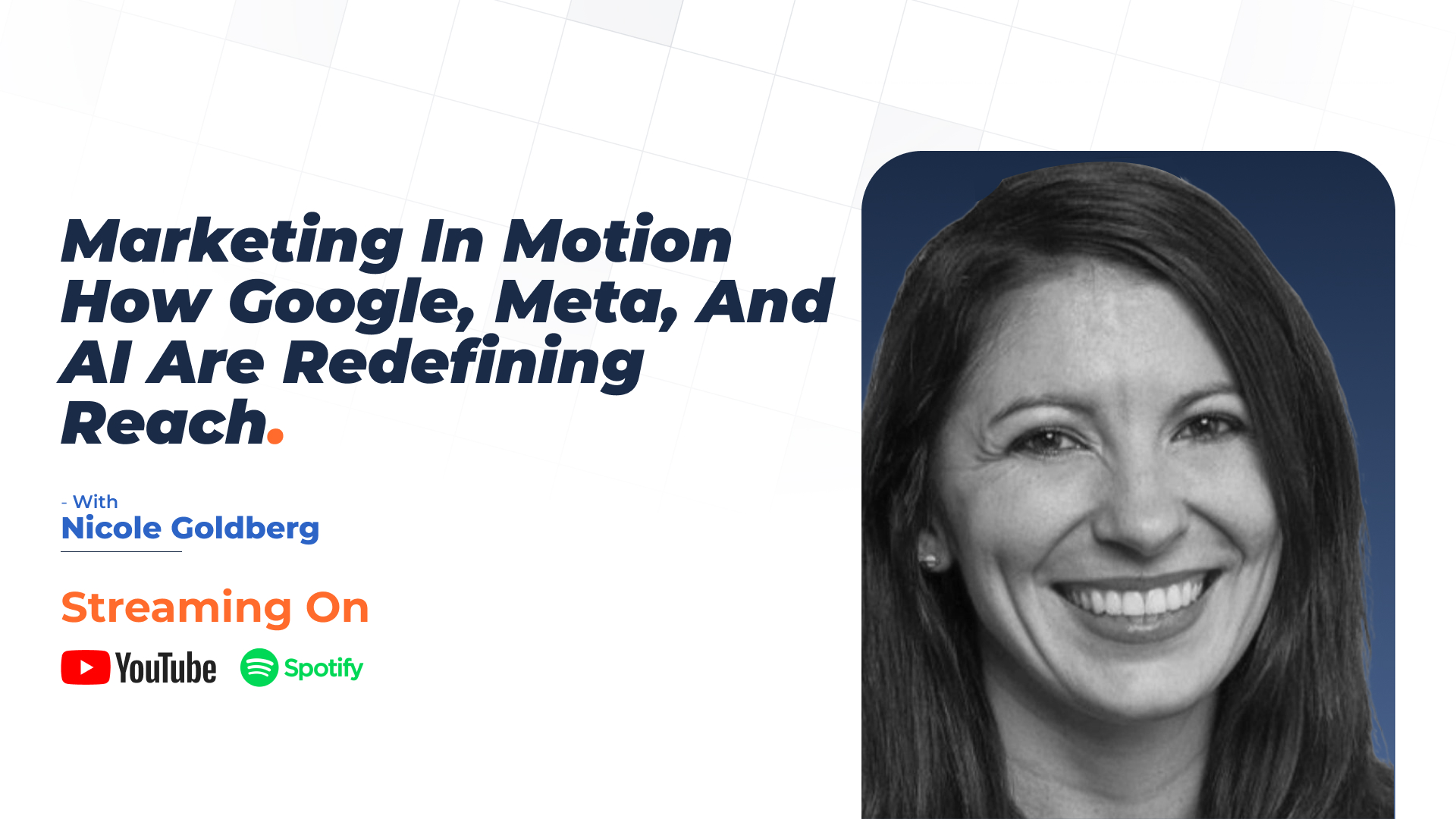
Her insights are a reality check every marketer, founder, and content creator needs right now.
From influencer collaborations to user-generated content, from the future of AI video to the power of authentic storytelling, Goldberg’s discussion paints a clear picture: authenticity is the foundation of every viral brand moment that lasts.
Why Authentic Storytelling Still Beats Every Trend
Goldberg does not mince words when it comes to the “trend fatigue” haunting digital marketing in 2025. “Everyone’s following the same micro-trends,” she says. “Products are so easy to duplicate, what actually distinguishes your brand is the story.”
When was the last time you scrolled through social media and didn’t feel like everything looked the same? That’s the challenge brands face now. Goldberg points out that your story, not your aesthetics is what breaks through the noise.
She explains that consumers today don’t just buy products; they buy connection. Whether it is through the founder’s personal story or a brand’s consistent mission, trust builds loyalty.
She uses examples like Hermes, Louis Vuitton, and even department stores like Nordstrom, known for legendary customer experiences, to emphasize that the strongest brands are those that repeat their message, over and over, across every touchpoint.
“It takes years to build that cohesive experience,” Goldberg says. “Every single interaction from your social post to your email should echo your brand’s purpose.”
How Founders Can Become Their Brand’s Best Influencers
With influencer fatigue and AI-generated faces everywhere, who do people trust anymore? According to Goldberg, the answer might be simpler than you think: founders themselves.
She argues that building an authentic brand connection starts with putting a human face to it.
“People want authenticity. You see influencers getting called out so fast for being fake,” she explains. “Founders can be the influencer they want to see, by showing up, speaking directly and building that personal connection.”
Goldberg encourages brands to use live shopping, Q&As, and even “behind-the-scenes” storytelling to give customers access to the people behind the product.
It is not about polish; it is about presence. And that is where authenticity thrives.
She also stresses that this doesn’t end with social media. Founders should extend that narrative across their websites, product pages, and emails, keeping their personality consistent and visible. “Have a section on your site that says Aaron’s Picks or Founder Favorites,” she says. “It’s a simple way to make your brand more human.”
What Does ‘Incrementality’ Really Mean and Why Should Marketers Care?
One of the most overlooked yet powerful metrics Goldberg discusses is incrementality.
In a world obsessed with attribution models, she says marketers often forget to ask the most important question: What’s actually driving growth?
“Incrementality measures what would have happened if you had not spent that money,” she explains. It’s not about what your analytics platform says; it’s about understanding true lift.
Goldberg gives a practical example: turning off certain campaigns and tracking performance changes over time. If you stop a retargeting ad and your sales remain the same, that campaign was not truly incremental, it was just cannibalizing traffic that would’ve come anyway.
She emphasizes that testing incrementality helps marketers justify upper-funnel spending.
“It shows why top-of-funnel campaigns like influencer marketing or brand awareness ads matter,” she says. “Because their effects show up over time, not just in last-click reports.”
For anyone managing budgets, her advice is clear: don’t confuse attribution with impact. The former is a snapshot; the latter tells the whole story.
How to Get Real Value from Influencers and UGC
UGC, AI SEO and influencer marketing have become indispensable, but Goldberg says most brands are still doing it wrong. The key, she insists, is understanding what you want from each collaboration.
“If your goal is awareness, choose creators who align with your brand’s values and aesthetic,” she says. “If it’s conversions, find niche creators whose audiences trust them deeply.”
She also highlights a crucial difference between authentic UGC and sponsored content.
From an ethical standpoint, she advises that creators should have genuinely interacted with or used the product before promoting it. “Consumers can tell when something’s not real,” Goldberg warns. “Fake content always backfires.”
But here is her interesting twist, from a consumer perspective, the line between sponsored and organic content is blurring. “What matters most isn’t whether it’s paid,” she explains. “It’s whether it feels trustworthy, consistent, and human.”
Her advice for brands?
Encourage real reviews, even if they are not perfect. “Don’t delete negative feedback,” she says. “Authenticity isn’t about perfection, it is about transparency.”
Why Video Content Rules the Future of Digital Storytelling
“Video is everywhere,” Goldberg says, “and it is only getting bigger.”
It is hard to disagree. Whether it is TikTok, YouTube Shorts, or vertical Reels, video has become the default format for discovery and engagement.
But Goldberg makes an important point: brands overcomplicate video production.
“You don’t need a $100,000 budget,” she insists. “Even a $20 video can work if it feels real.”
She explains that video content doesn’t have to be perfect to be powerful — it just has to match the platform and the audience’s expectations.
- TikTok and Instagram Stories? Keep it raw and handheld.
- Website product pages? Use clean, clear demonstrations.
- YouTube and CTV ads? Add simple overlays and background music.
“The best video,” she says, “is not the most expensive, it is the most consistent.”
And when it comes to future-proofing content, she believes YouTube’s resurgence is impossible to ignore. Once considered niche, it’s now one of the broadest, most trusted video platforms across demographics and a major driver of discovery for ecommerce.
Will AI Replace Creativity in Content Marketing?
Here’s where Goldberg strikes a thoughtful balance. AI-generated videos and voiceovers are on the rise but she does not see them as a threat to creativity just yet.
“I don’t think AI video is fully there yet,” she admits. “But it’s coming fast.”
That is both exciting and intimidating, right? Goldberg believes the challenge is not about whether brands will use AI, but how.
AI can help create variations, test formats, and scale storytelling but brands still need humans to set the tone, emotion, and message.
“It’s not about replacing creators,” she says. “It’s about giving them superpowers.”
She predicts that in the next five years, AI-assisted video will be mainstream, allowing marketers to test multiple storylines instantly and personalize creative at scale. But for now, authenticity remains the north star, even in an AI-driven future.
The Bigger Picture: Connection Over Perfection
At the end of the episode, Goldberg leaves marketers with a reminder that hits home:
“You should not let the best stop you from being good enough.”
In an industry obsessed with virality and polish, that’s a refreshing perspective. What matters isn’t the gloss or the gear, it is the message, the connection, and the consistency behind it.
As Goldberg’s experience at SIMKHAI shows, brands that stand out are those that invest in craftsmanship, storytelling, and the long game of trust.
Whether it is luxury fashion or local DTC brands, her advice applies universally: don’t chase attention, earn it.
TL;DR – Key Takeaways
- Authenticity > Aesthetics: Viral content lasts when it’s rooted in real connection.
- Founders as Influencers: The human face behind the brand builds the deepest trust.
- Incrementality Matters: Measure true impact, not vanity metrics or last-click returns.
- UGC + Creator Content: Real voices drive credibility; avoid faking experiences.
- Video Everywhere: Prioritize consistency and storytelling over production quality.
- AI Is Coming: Use it to enhance creativity, not replace it.

Dipti Arora
AuthorDipti Arora is a Senior Content Writer with over seven years of experience creating impactful content across Digital Marketing, SEO, technology, and business domains. She has a strong background in managing news verticals and delivering editorial excellence. Dipti has contributed to leading publications such as The Times of India and CEO News, where her research-driven storytelling and ability to simplify complex subjects have consistently stood out. She is passionate about crafting content that informs, engages, and drives meaningful results.
