Google Analyst Gary Illyes has brought attention to a critical issue affecting websites – soft 404 error. According to Google, Web developers and SEO specialists must tackle the problem of soft 404 errors and their detrimental effects on web crawling and search engine optimization.
Illyes stressed the need for proper error handling to make websites more efficient and improve their search engine performance.
Decoding Soft 404 Errors
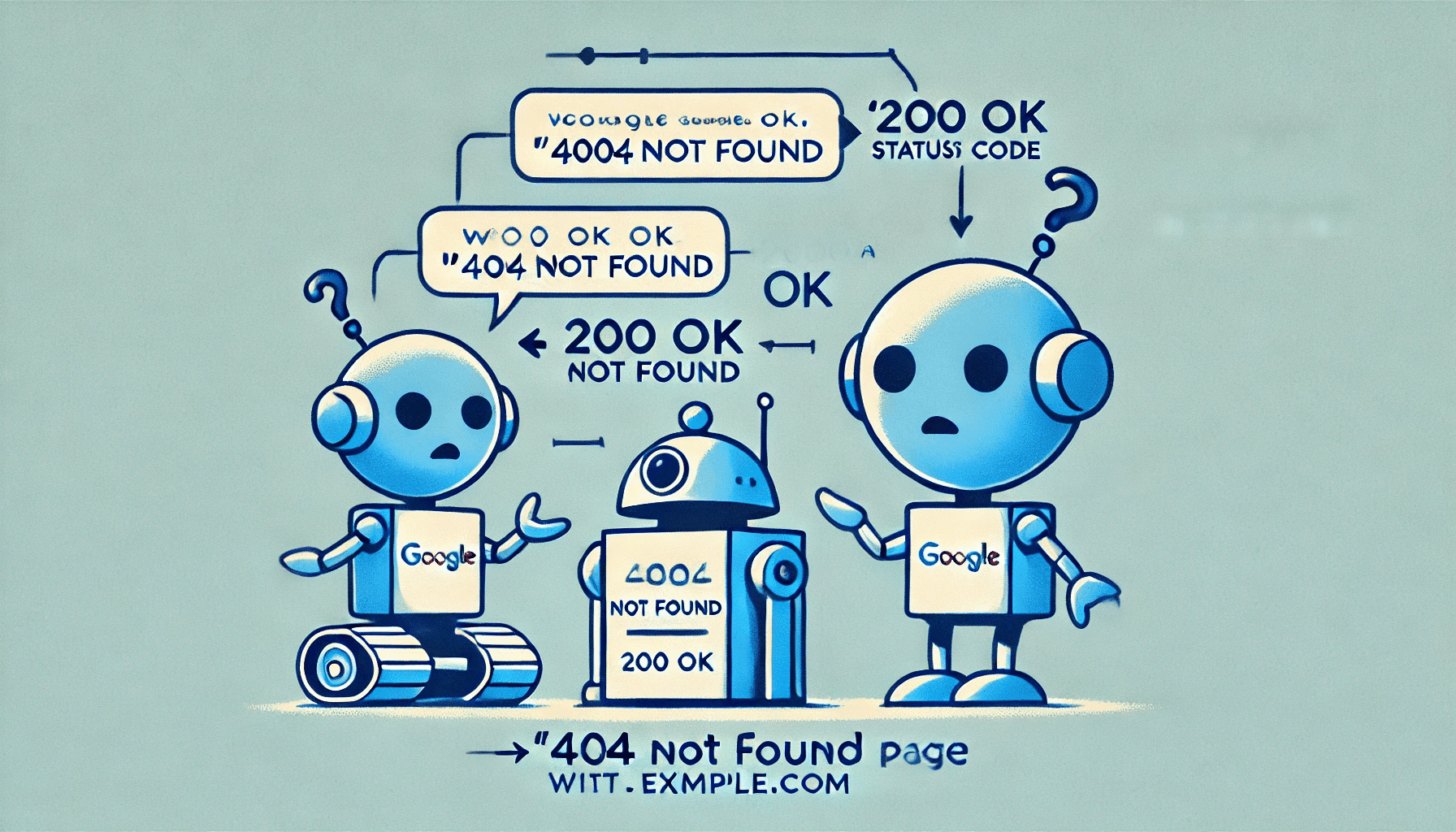
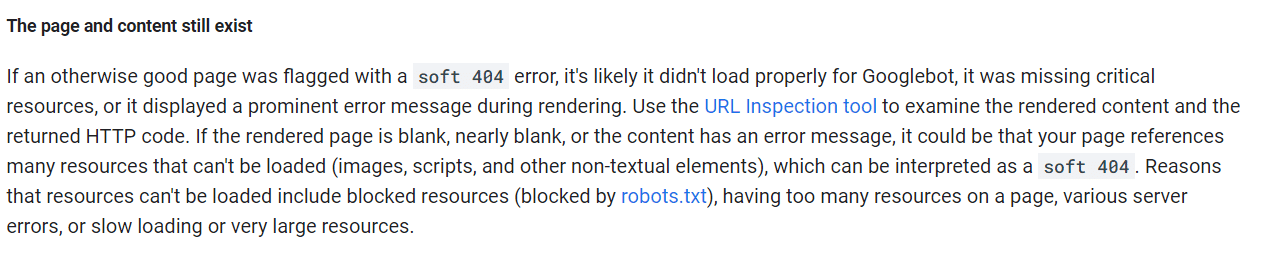
Soft 404 errors occur when a web server incorrectly returns a “200 OK” HTTP status code for pages that do not exist or contain error messages.
This can mislead web crawlers, causing them to waste valuable resources on non-existent or unhelpful thin content.
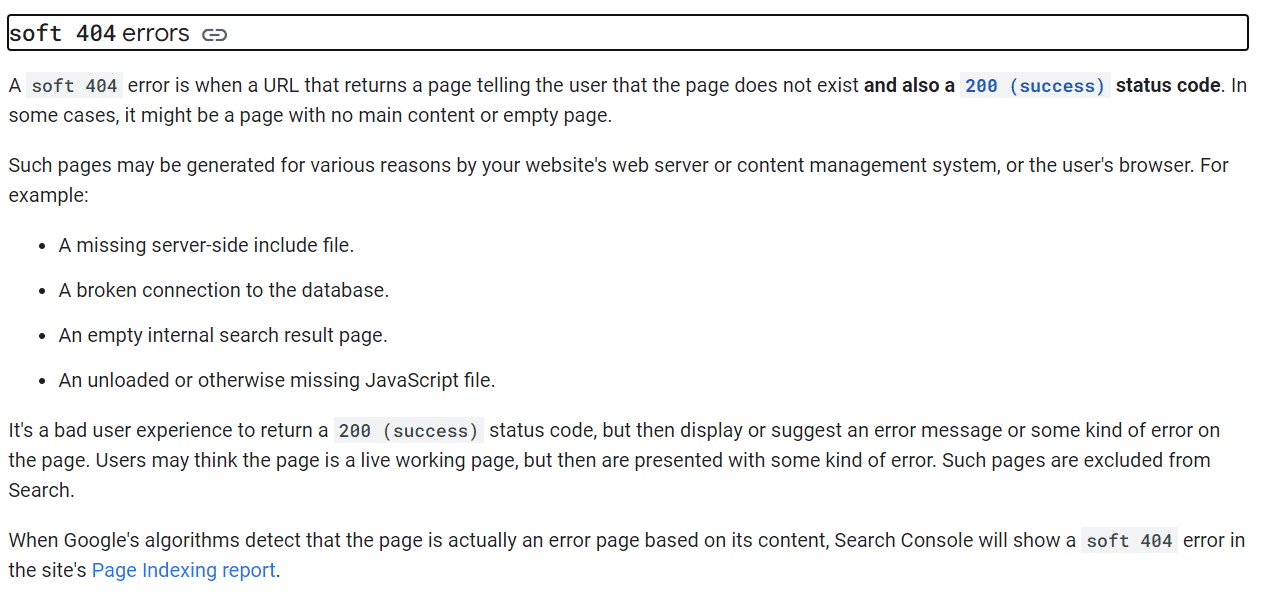
The difference between hard 404 errors and soft 404 errors is the status they display to search engines. With a hard 404 error, the 404 error code is returned to both page visitors and search engines, clearly indicating that the page doesn’t exist. This ensures that search engines do not waste resources on these pages, unlike in the case of soft 404 errors.
To simplify, when it’s a soft 404 error, the error is conveyed to website visitors but not to Google crawl bots. This means the pages continue to be crawled and indexed on Search Engine Results Pages (SERPs), further compounding the issue.
Illyes compares this to visiting a coffee shop where every item on the menu is unavailable – frustrating for humans and problematic for web crawlers.
Illyes explains, “Crawlers use the status codes to interpret whether a fetch was successful even if the contents of the page is basically just an error message. They might happily go back to the same page again and again, wasting your resources, and if there are many such pages, exponentially more resources.”
This misinterpretation results in crawlers repeatedly visiting these useless pages, consuming bandwidth and server resources unnecessarily. It can lead to significant inefficiencies, particularly for large websites with extensive page counts.
The Unseen Costs of Soft 404 Errors
The impact of soft 404 errors goes beyond just wasting crawler resources. Illyes notes that these pages are typically excluded from search results during the indexing process, leading to potential losses in visibility and traffic for websites.
To address this, Illyes recommends that webmasters ensure their servers return the correct HTTP status code when an error occurs. This helps crawlers accurately understand the situation and allocate their resources more effectively.
Furthermore, Illyes warns against using text-based messages like “TOO MANY REQUESTS SLOW DOWN” to rate-limit crawlers, as these messages cannot be interpreted by crawlers.
Why Fixing 404 Errors Is Important?
Addressing soft 404 errors is necessary for improving a website’s crawlability and indexing. By eliminating these errors, webmasters can ensure that crawlers focus on fetching and indexing pages with valuable content, potentially enhancing the site’s visibility in search results.
Moreover, eliminating soft 404 errors can lead to more efficient use of server resources, as crawlers won’t waste bandwidth revisiting error pages.
Positive outcomes that can be achieved by addressing soft 404 errors:
- Improved Crawl Efficiency: Proper error handling ensures that crawlers spend time on valuable content.
- Enhanced SEO Performance: Reduced soft 404 errors can lead to better search engine rankings and increased organic traffic.
- Resource Optimization: Efficient use of server resources by preventing unnecessary crawler visits to error pages.
Long Standing Issue in Web Management
The issue of proper error handling and the use of correct HTTP status codes is not new in the SEO world. For years, SEO experts have emphasized the importance of accurate server responses for ensuring effective web crawling and indexing.
However, despite this advice, many websites still struggle with soft 404 errors, underscoring the need for ongoing education and vigilance in web maintenance practices.
Implications and Predictions
Going forward, websites that take stringent steps to identify and correct soft 404 errors are likely to see improvements in their SEO performance. This can result in better search engine rankings, increased organic traffic, and more efficient use of server resources.
Conversely, websites that neglect this aspect of SEO risk falling behind in search rankings and wasting valuable resources on ineffective crawling.
Future Outlook:
- SEO Gains: Proactive correction of soft 404 errors will likely boost search rankings and organic traffic.
- Resource Efficiency: Better resource allocation by crawlers can enhance overall website performance.
- Competitive Edge: Websites that address these errors will gain a competitive advantage in search engine results.
Practical Advice
To identify and resolve soft 404 errors on your website, consider the following steps:
1. Regular Monitoring
Regularly monitor your website’s crawl reports and logs to identify pages that return HTTP 200 status codes despite containing error messages. Utilize Google Search Console and other SEO tools to keep track of crawl errors and soft 404 instances.
2. Proper Error Handling
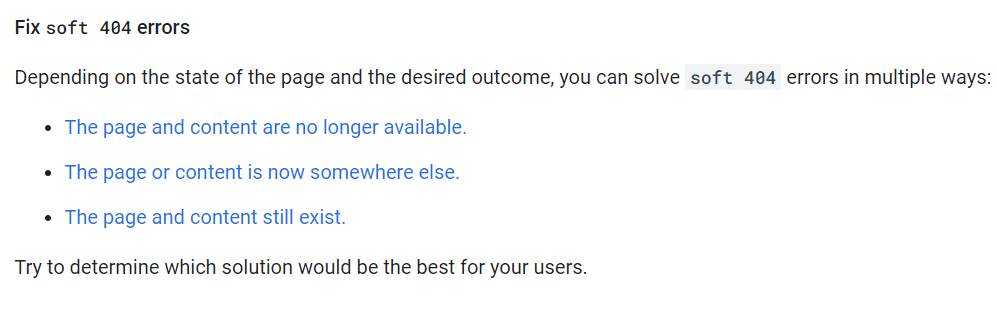
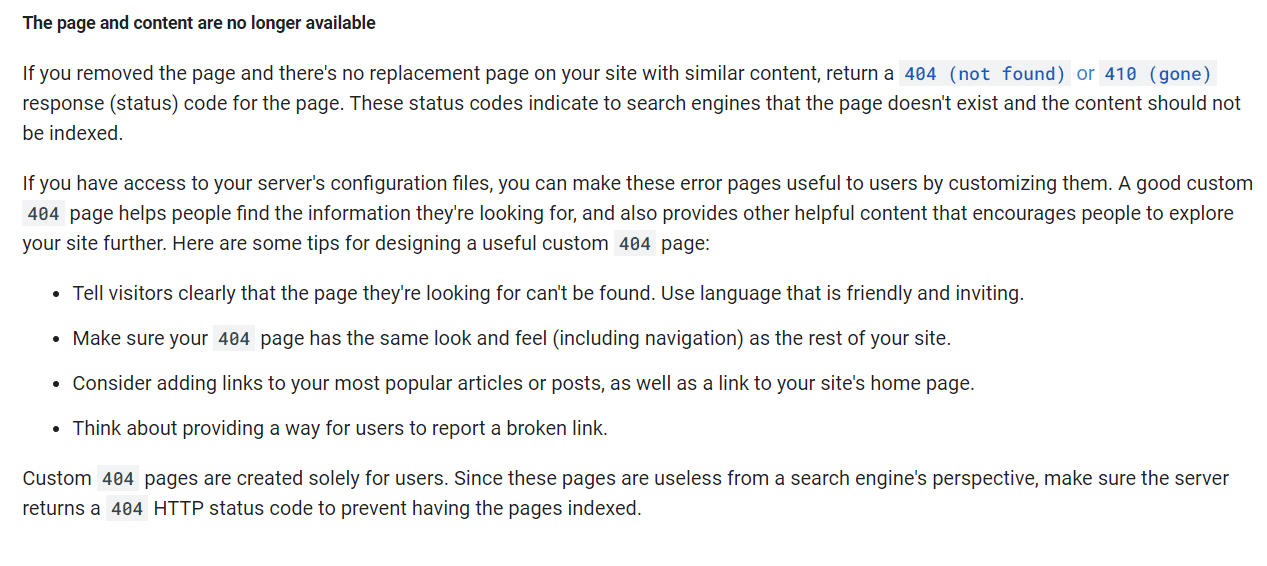
Implement proper error handling on your server to ensure that error pages are served with the appropriate HTTP status codes. Ensure 404 for “Not Found” pages and 410 for pages that are permanently removed.
3. Use Diagnostic Tools
Use diagnostic tools to identify and fix pages that are incorrectly serving soft 404 errors. Tools like Screaming Frog SEO Spider can help identify these errors and provide actionable insights.
4. Proactive Resolution
Proactively address any soft 404 errors to improve your website’s crawlability, indexing, and overall SEO. Regularly update your site’s error handling policies and review server logs for anomalies.

Key Takeaways
- Soft 404 Errors occur when non-existent pages return a “200 OK” status code, misleading web crawlers.
- Soft 404 errors can waste crawler resources and reduce a website’s visibility in search results.
- Serving the correct HTTP status codes for error pages is crucial for efficient crawling and indexing.
- Addressing soft 404 errors can improve a site’s SEO performance and resource efficiency.
- Regular monitoring and proactive error resolution are essential for maintaining optimal web performance.

Dileep Thekkethil
AuthorDileep Thekkethil is the Director of Marketing at Stan Ventures, where he applies over 15 years of SEO and digital marketing expertise to drive growth and authority. A former journalist with six years of experience, he combines strategic storytelling with technical know-how to help brands navigate the shift toward AI-driven search and generative engines. Dileep is a strong advocate for Google’s EEAT standards, regularly sharing real-world use cases and scenarios to demystify complex marketing trends. He is an avid gardener of tropical fruits, a motor enthusiast, and a dedicated caretaker of his pair of cockatiels.
