
Duplicate content on websites often sparks concerns over quality and rankings, especially for those in the SEO industry. Yet, contrary to popular belief, duplicate content isn’t the SEO villain many think it is.
According to Google’s recent video led by Search Advocate Martin Splitt, duplicate content won’t harm your site’s quality score. However, it does present operational issues that, if ignored, could impact user experience and performance tracking.

With straightforward solutions, website owners can address duplicate content, maintain site efficiency, and even optimize user experience along the way.
What’s the Real Issue with Duplicate Content?
It turns out duplicate content can pose significant operational challenges rather than affecting a site’s perceived quality.
Martin Splitt pointed out that duplicate content slows down Google’s crawling process, making it harder for webmasters to track performance accurately. This often causes competition between similar pages, potentially splitting attention across URLs and reducing search efficiency.
As Splitt explained, “It might make similar content compete with each other and can cause pages to take longer to get crawled.”
The recommendation? Not to worry excessively about duplicate content itself but instead to focus on practical management techniques to keep your site clean and efficient.
Impact on Crawling and Page Performance
Duplicate content impacts site performance more on a technical level than an evaluative one. Google’s crawlers may take longer to sift through duplicate pages, especially on sites with a large volume of similar content.
In addition, Splitt noted that this might “make it harder to track performance of pages with duplicates.”
Essentially, when you have duplicate pages, performance metrics get tangled, making it tough to see which page performs best, which can frustrate efforts to understand user behavior.
Best Practices to Avoid Content Duplication Issues
Splitt recommended three actionable strategies to tackle duplicate content:
1. Using Canonical Tags Effectively
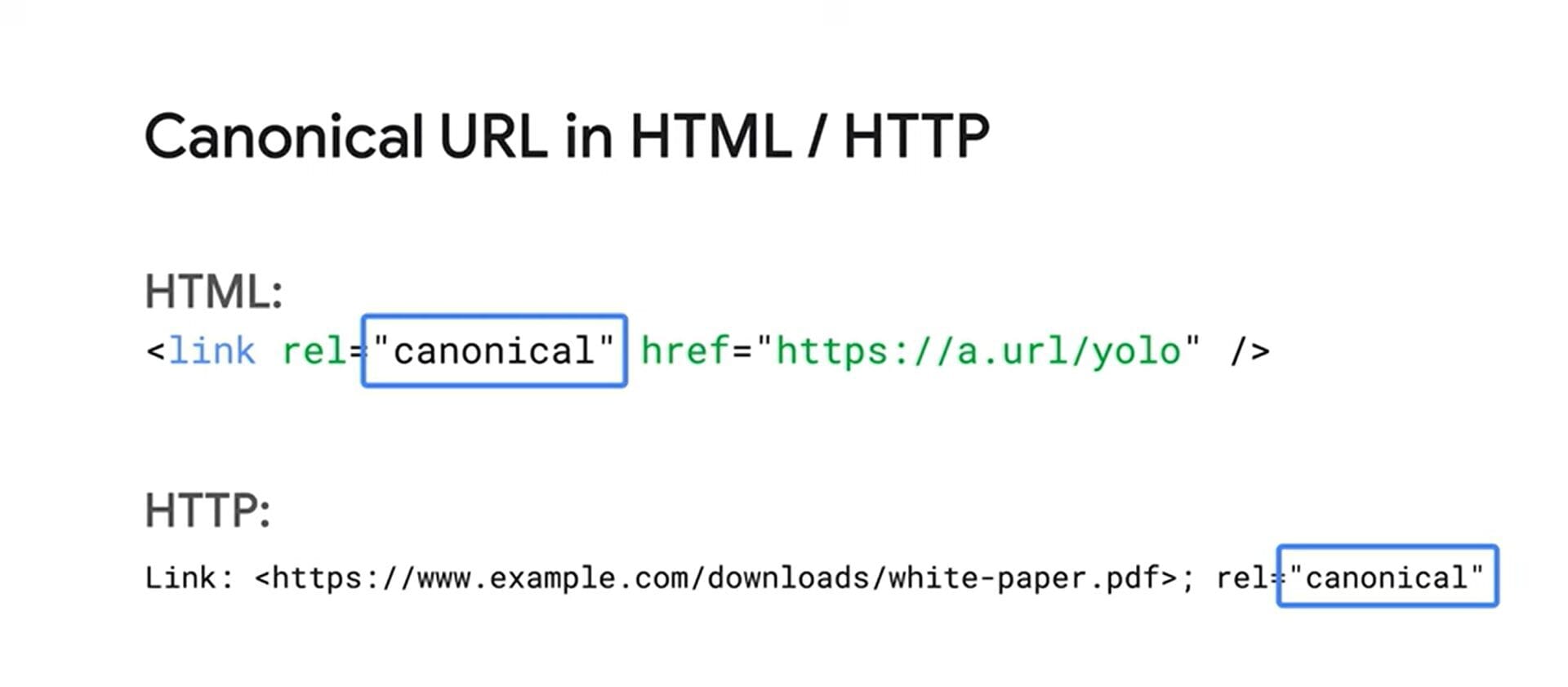
A canonical tag tells Google which URL you prefer when there are multiple pages with similar content. This tag, however, acts as a “suggestion” rather than a rule, as Google may choose a different URL if it deems it more relevant. Splitt stresses that canonical tags are often misused, which makes it challenging for Google to follow them accurately.
To ensure Google understands your preferences, it’s essential to set canonical tags correctly in either the HTML header or HTTP headers. This tells Google that while other pages may contain similar content, this particular page is the one you’d prefer to be indexed and ranked.
2. Managing Links and Redirects
Internal links play a role in how Google interprets the canonical URL. To prevent Google from selecting an unintended URL, make sure your internal links point to the canonical version. If there are external links to duplicate pages, using a 301 redirect helps Google—and your users—land on the right page.
The 301 redirect also preserves page authority and ensures users reach the intended page without unnecessary redirects.
3. Consolidating Similar Content
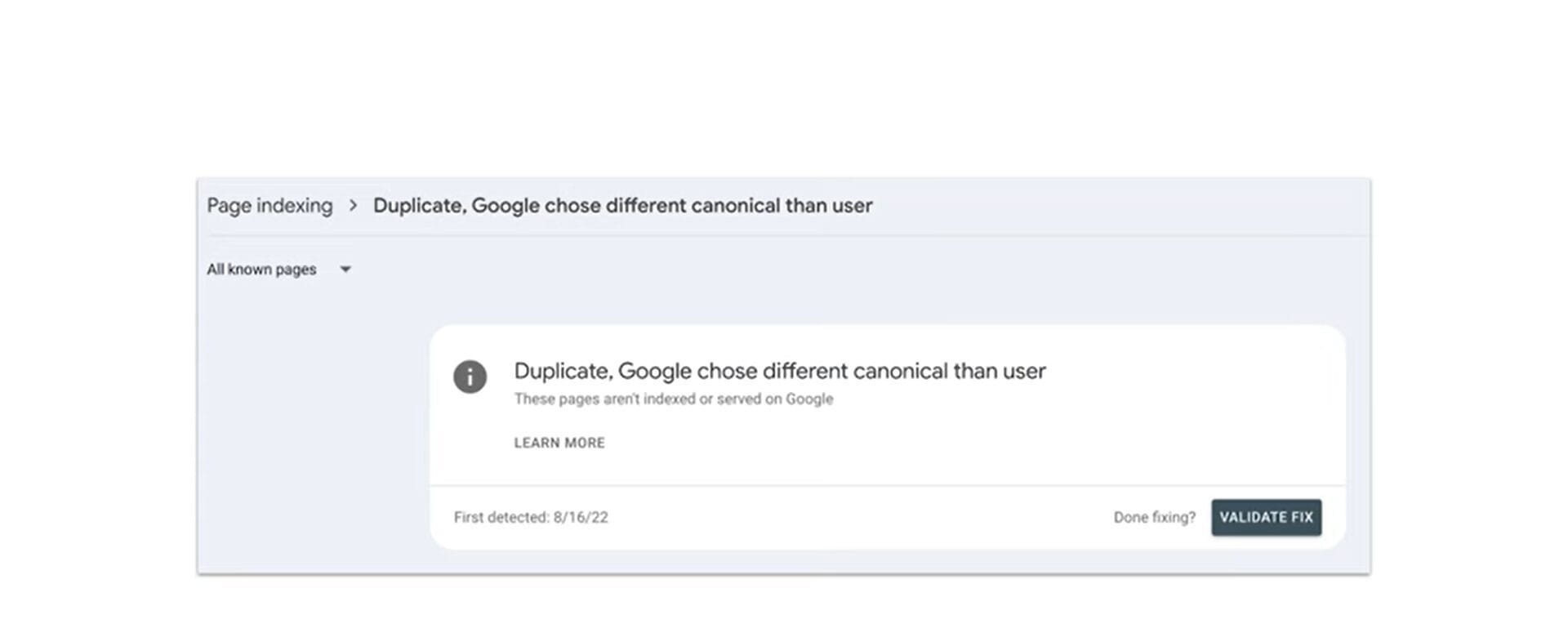
If you have multiple pages covering nearly identical topics, consolidating them into one comprehensive page can improve user experience and reduce clutter in Google Search Console.
For example, a site with separate pages for similar products or articles might benefit from merging those pages into a single, well-organized page.
Why Google Isn’t Penalizing Duplicate Content
To understand why Google doesn’t penalize duplicate content, we need to consider its stance on user experience. Google’s algorithms are designed to prioritize content that provides real value. Duplicate content, especially when unintentional, doesn’t inherently detract from user experience.
A similar description across several products, for example, doesn’t harm the overall site quality. So, while duplicates may complicate things, they’re not seen as negative signals for quality.
Google’s approach to duplicate content in international contexts is even more relaxed. For sites with similar content across multiple language versions, Google’s algorithms aim to identify the right pages for users based on their location and language, which often involves accepting duplicate content for better regional accuracy.
Predictions and Practical Tips
Moving forward, Google will likely continue favoring high-value content over mere content differentiation. This means website owners should focus on consolidating information rather than excessively worrying about duplication.
Key Takeaways
- Duplicate content doesn’t lower site quality – but it can slow down crawling and create operational complications.
- Canonical tags are helpful but not definitive; use them correctly to guide Google.
- 301 redirects help consolidate authority when external links go to alternate URLs.
- Combining redundant pages improves user experience and reduces Google Search Console clutter.
- Google doesn’t penalize for regional duplicate content – especially for multilingual sites.

Dileep Thekkethil
AuthorDileep Thekkethil is the Director of Marketing at Stan Ventures, where he applies over 15 years of SEO and digital marketing expertise to drive growth and authority. A former journalist with six years of experience, he combines strategic storytelling with technical know-how to help brands navigate the shift toward AI-driven search and generative engines. Dileep is a strong advocate for Google’s EEAT standards, regularly sharing real-world use cases and scenarios to demystify complex marketing trends. He is an avid gardener of tropical fruits, a motor enthusiast, and a dedicated caretaker of his pair of cockatiels.
