
YouTube remains the most searched term on Google in 2025, with “ChatGPT” and “Facebook” trailing close behind, signaling how video and artificial intelligence now dominate global curiosity online.
Every year, billions of searches reveal what the world collectively wonders about. And in 2025, those questions speak volumes about how our habits and priorities have shifted.
According to a database from Semrush, which analyzed over 26.6 billion keywords, YouTube leads global Google searches with a staggering 1.38 billion monthly hits.
The recent developments indicate that ChatGPT now aligns with Facebook in terms of global monthly searches, each recording 618 million, a remarkable rise that places an AI tool beside one of the most influential social networks in history.
The data doesn’t just show what’s trending; it mirrors how people learn, connect, and consume information in an era defined by instant answers.
From Search Bars to Daily Habits
Scrolling through the top 100 global searches, it’s clear that users aren’t just looking for entertainment. They’re managing life through search.
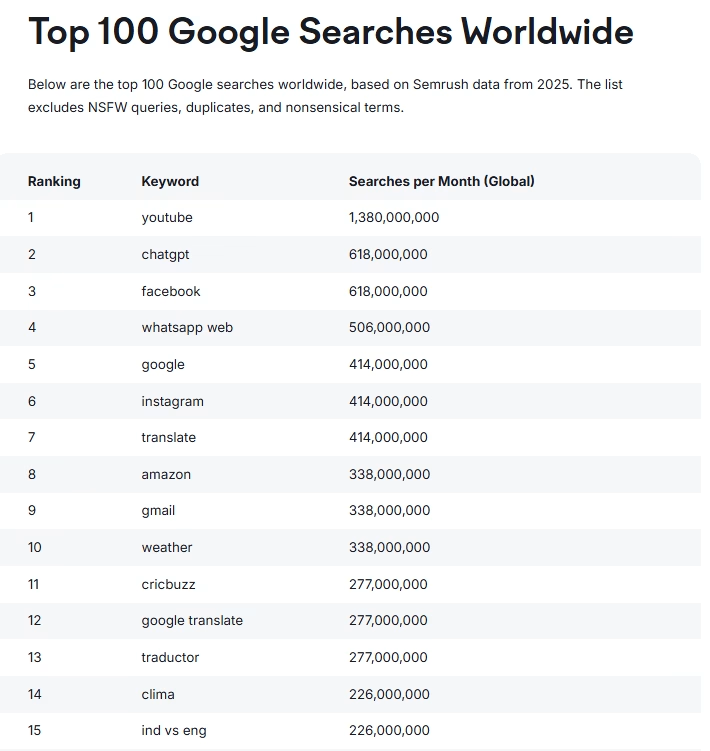
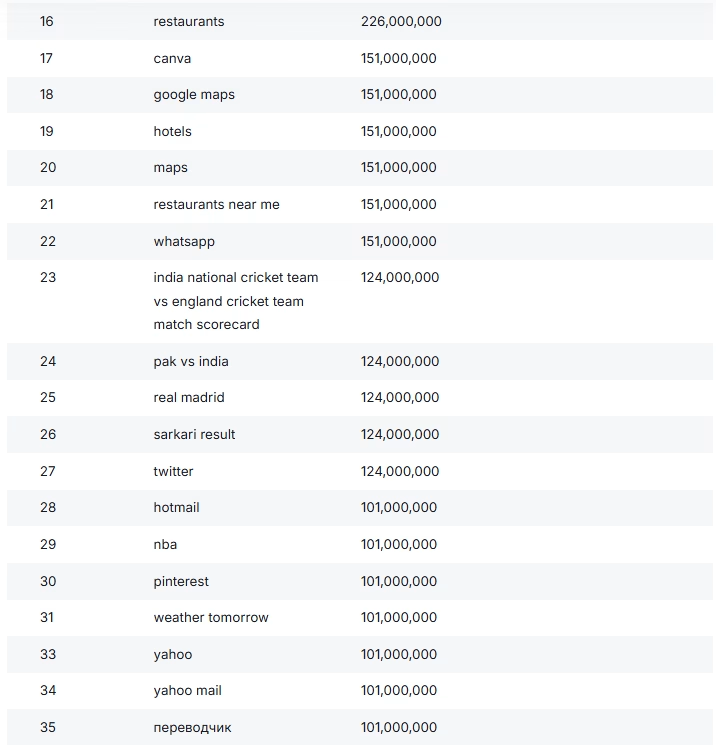
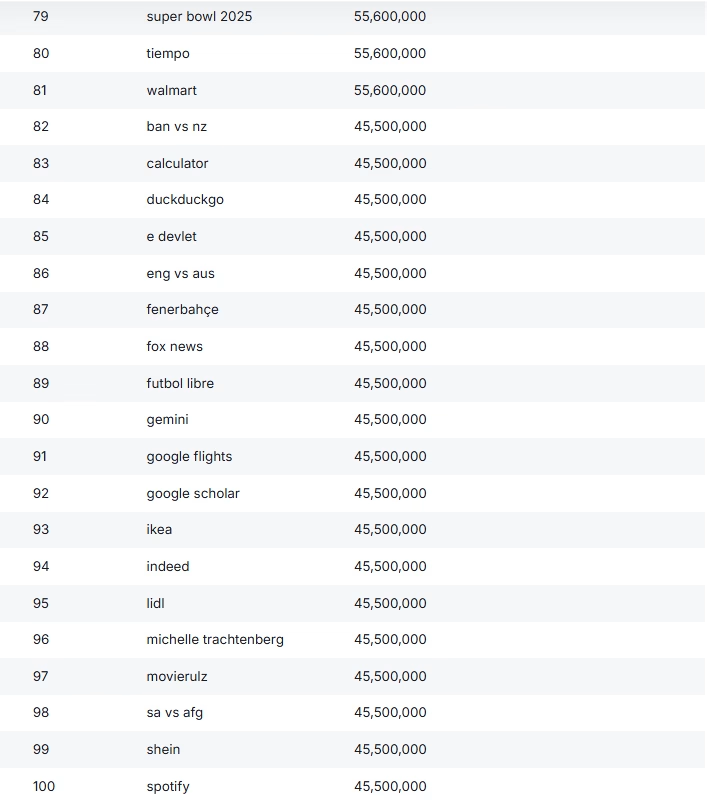
Terms like “WhatsApp Web,” “Google Translate,” “Weather,” and “Gmail” show how Google has become less of a search engine and more of a universal command center.
Platforms like Instagram, Amazon, and Canva also rank high, underscoring how creativity, shopping, and social connection all flow through Google’s front door.
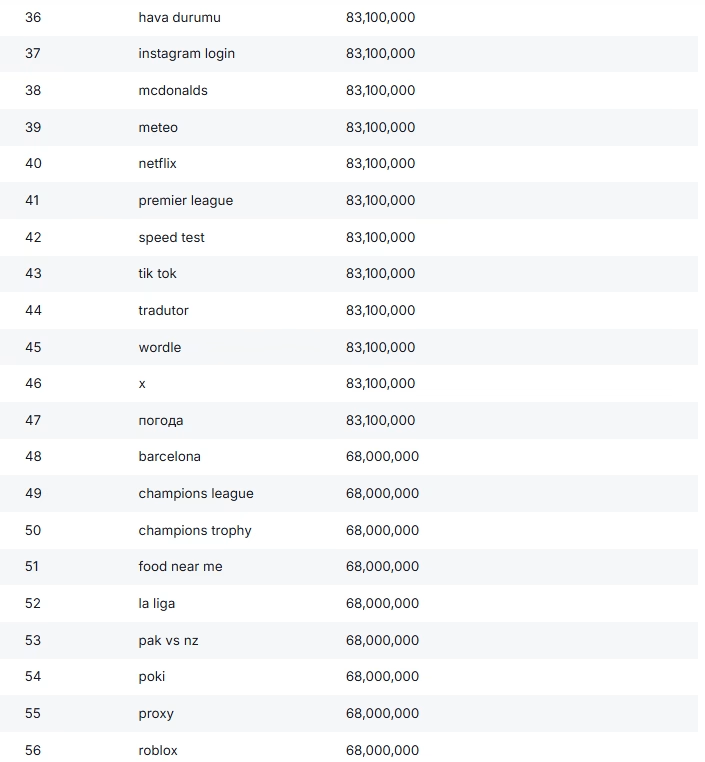
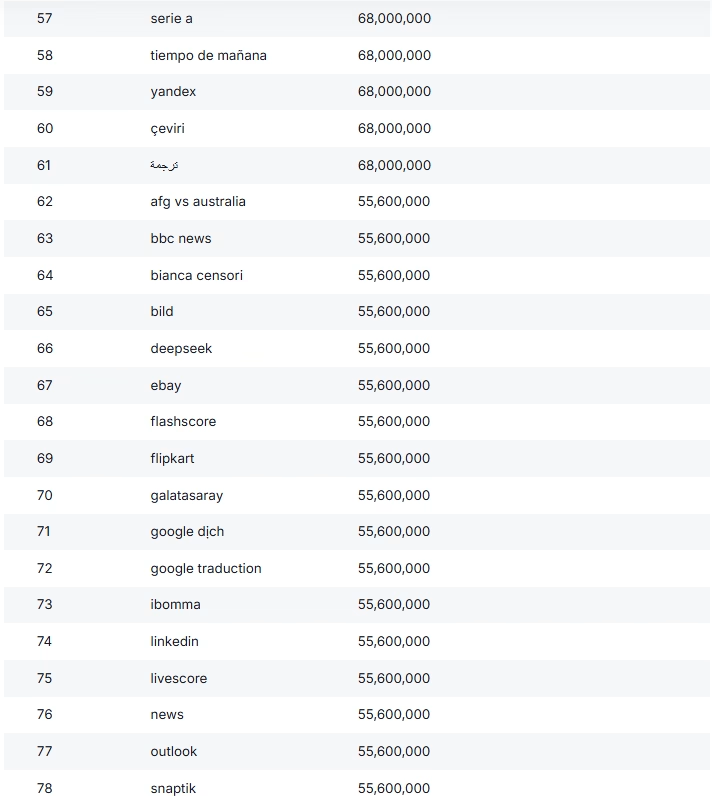
Meanwhile, cultural moments make their mark too. Sports searches like “Ind vs Eng,” “Real Madrid,” and “Super Bowl 2025” highlight the unifying pull of global events. Even Bianca Censori and Michelle Trachtenberg made it into the list, proving celebrity intrigue never fades.
AI Joins the Big Leagues
The standout story here is ChatGPT. In 2023, it was an emerging tool. By 2025, it’s one of the most searched terms on the planet. Its presence near legacy giants like Facebook and YouTube illustrates how artificial intelligence has become part of everyday conversation.
Even newer AI entrants, like DeepSeek and Gemini, appear on the list, showing how quickly users adopt and explore AI-powered tools. Whether for writing, problem-solving, or curiosity, people are increasingly turning to AI as a go-to assistant.
Questions That Define Us
Beyond searches for websites and platforms, Semrush’s data on the most Googled questions offers a more intimate look at human curiosity.
Among the top queries worldwide are:
- “What to watch” (6.1 million monthly searches)
- “What time is the Super Bowl”
- “What is my IP”
- “Who won the Super Bowl 2025”
- “When is Easter 2025”
We’re asking about entertainment, holidays, weather, and occasionally, ourselves. Some questions, like “What is love” or “How to make money online,” show how timeless and practical curiosity coexist.
And perhaps most fascinating, “What is AI?” continues to appear high on the list, even as millions use AI tools daily. It’s a sign of both fascination and a desire for understanding.
America’s Search Habits
In the United States, YouTube also holds the crown with 151 million monthly searches, followed by Amazon and Facebook. But the presence of Wordle, Super Bowl 2025, and even Trump shows that pop culture and politics still dominate national attention.
Some of the most Googled U.S. questions center on timing and context, “What time is the Super Bowl?” “Who won?” “When is Easter 2025?,” reflects how many Americans use Google as an immediate source for everyday answers rather than exploration.
A Mirror of Modern Curiosity
Every query tells a story. Some reflect entertainment habits. Others expose global anxieties or cultural touchpoints. Taken together, these searches serve as a digital diary, one that captures how humans balance curiosity, convenience, and connection.
The consistent presence of translation tools (Translate, Google Translate, Traductor, Çeviri) also reveals an increasingly multilingual internet. Users from across regions are using Google not only to find but also to understand.
What This Means for Marketers and Creators
For anyone working in content, marketing, or business, this data is more than trivia. It’s insight. Knowing what people search for helps brands align with real curiosity rather than guesswork.
If audiences are searching for ChatGPT or AI-related queries, that’s where attention and opportunity lies. Similarly, businesses in travel, sports, and entertainment can use seasonal spikes (Super Bowl, Ramadan, or Oscars searches) to guide campaigns.
The Semrush Keyword Magic Tool, the resource behind this data, allows anyone to explore similar keyword trends. It’s a practical way to understand how users discover products, news, and ideas online.
Why Google Searches Still Matter
In an age of apps, voice assistants, and AI chatbots, Google search remains the most democratic reflection of human thought. People still type, ask, and explore. Whether it’s to find a restaurant, translate a phrase, or settle a debate, search remains at the heart of how people interact with the internet.
It’s a rare kind of data; one that connects billions of private curiosities into a public snapshot of global behavior.
Practical Insights for Readers
Here are some takeaways that can help readers, marketers, and creators make sense of what these global search trends reveal and how to use them effectively.
- Study Search Trends: Understanding popular search terms can guide your content or business strategies toward real user interests.
- Leverage Question-Based SEO: People increasingly ask full questions, so optimize content to answer them clearly.
- Ride the AI Wave: With ChatGPT and Gemini topping lists, AI-related topics are prime areas for growth.
- Use Translation Tools as Indicators: Frequent translation-related searches suggest demand for multilingual accessibility.
- Track Seasonal Peaks: Align marketing with high-volume events like sports tournaments and holidays.
Key Takeaways
- YouTube remains the world’s most searched term with 1.38 billion monthly hits.
- ChatGPT now rivals Facebook in global search popularity.
- The top searches reflect a blend of daily habits, pop culture, and AI fascination.
- Question-based searches like “What to watch” and “What is AI” dominate curiosity.
- Google remains humanity’s go-to source for both simple answers and global trends.

Zulekha
AuthorZulekha is an emerging leader in the content marketing industry from India. She began her career in 2019 as a freelancer and, with over five years of experience, has made a significant impact in content writing. Recognized for her innovative approaches, deep knowledge of SEO, and exceptional storytelling skills, she continues to set new standards in the field. Her keen interest in news and current events, which started during an internship with The New Indian Express, further enriches her content. As an author and continuous learner, she has transformed numerous websites and digital marketing companies with customized content writing and marketing strategies.
