Google’s constant updates can make it challenging for website owners and SEO professionals to keep up. In a recent interview with Aleyda Solis, Danny Sullivan, Google’s Search Liaison, shared valuable insights on the future of search, how small websites can compete, and what’s coming next.
Covering everything from the impact of AI to the growing importance of user-generated content (UGC), Sullivan provided practical advice for anyone navigating the complexities of search optimization.
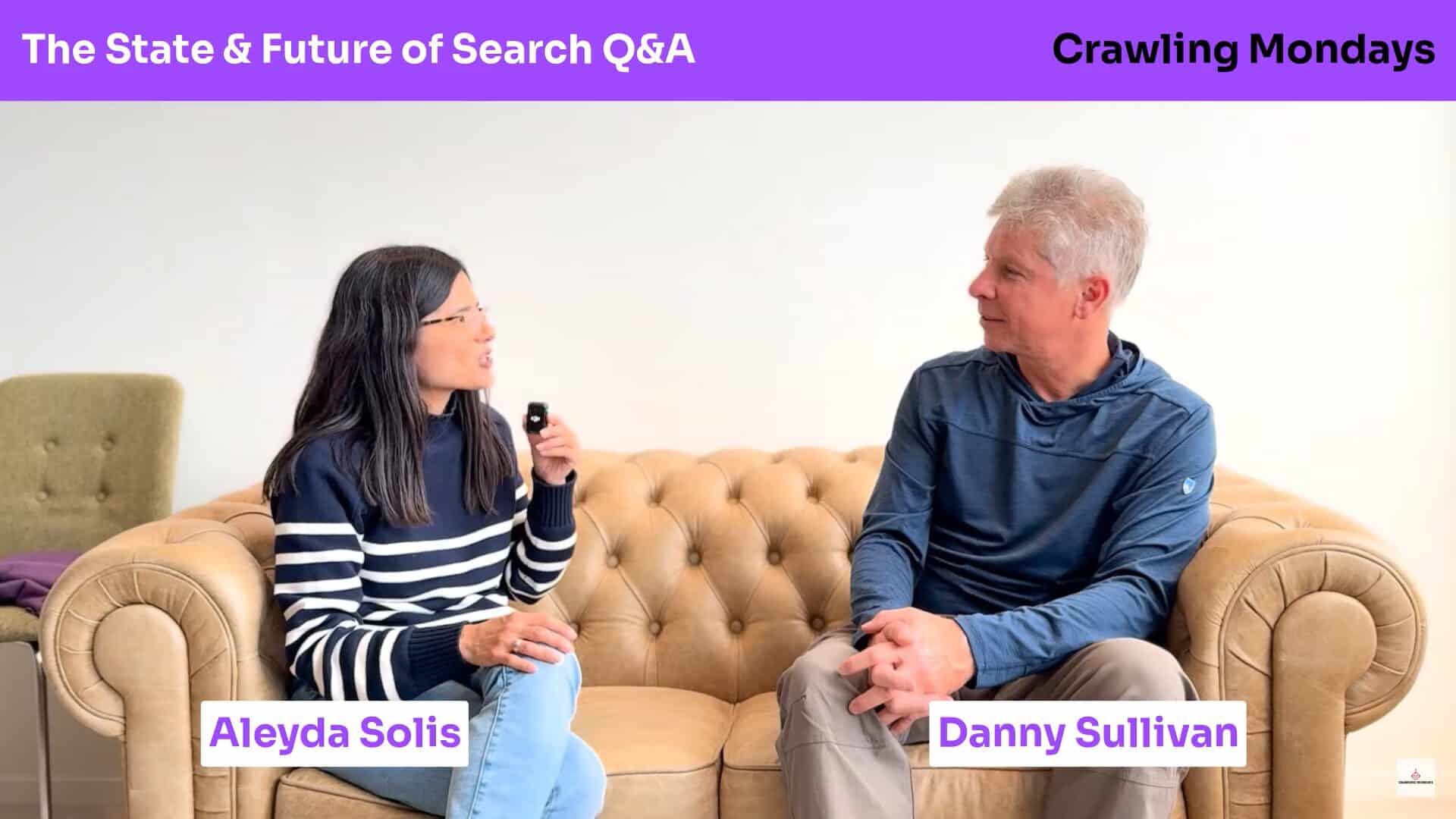
Here’s what you need to know.
I had the great opportunity to interview @searchliaison, @dannysullivan to learn how he sees the Big Brand and UGC Challenges from the latest updates and what Google is doing about them, the state of AI Overviews, how they’re being tested and their future; what to expect next in… pic.twitter.com/Py5uAURkhE
— Aleyda Solis 🕊️ (@aleyda) September 29, 2024
Google’s Focus: Making Search Results More Helpful
One of Danny Sullivan’s major points is that Google aims to give people the most helpful and relevant information possible.
Over the years, Google has updated its search algorithms to focus on truly helpful content created with the user in mind rather than content designed to rank higher in search results.
Many people, especially those running smaller, independent websites, have raised concerns that Google might favor bigger brands. But, Sullivan stressed that Google doesn’t aim to give large companies an unfair advantage.
“Our ranking systems aren’t saying, ‘Are you a big brand?’ What we care about is whether the content is relevant, helpful, and satisfying,” Sullivan explained.
He acknowledged that sometimes big brands dominate search results, but he assured everyone that Google is actively working to fix cases where smaller, high-quality websites might not be getting the visibility they deserve.
Small Websites vs. Big Brands: Can Small Players Still Compete?
A common question many small website owners and SEO professionals have is whether it’s even possible for smaller websites to compete with larger, more established brands on Google. This has become important after recent Google core updates, which have changed how websites are ranked.
Sullivan clarified that Google’s system does not favor big brands simply because they’re big. Instead, it’s about providing users with the best content, no matter where it comes from.
“We don’t want only big sites to rank well,” he said. “The core issue is whether your content is relevant, useful, and satisfying.”
However, he acknowledged that some larger websites may have advantages due to their resources, which allow them to produce a wide range of content.
However, Sullivan emphasized that small websites can still compete if they focus on their strengths: creating valuable, user-focused content.
The Rise of User-Generated Content (UGC) in Search Results
Another major trend Sullivan discussed is the growing importance of user-generated content (UGC) in Google’s search results. This includes forums, reviews, and discussions on Reddit, Quora, and LinkedIn.
People often seek real, first-hand experiences from others, and Google is working to include more of this kind of content in its search results.
Whether it’s getting advice on fixing a car or learning about a health condition, real stories from real people resonate with users. Google understands this and actively works to make UGC more visible in search results.
However, this shift brings its own challenges. Some UGC isn’t always of the best quality, and it can be tricky for Google to determine which content is helpful.
Sullivan mentioned that Google is continuously improving its systems to make sure that only the most valuable user-generated content surfaces at the top of search results. But he acknowledged that this is an ongoing process and there’s still room for improvement.
The Future of Search: AI Overviews and Evolving Technology
One of the most exciting areas of search development is Google’s use of artificial intelligence (AI) to help organize and display search results.
Sullivan discussed the introduction of AI-generated overviews, which give users quick summaries of important information on a topic. These AI overviews, which were first rolled out in May, are part of a broader effort to make search results more efficient and easier to understand.
Recently, these overviews have started including more commercially focused content, like product recommendations and gift guides.
Sullivan pointed out that AI can help users find the right information faster, especially for broader topics like “best gifts for Father’s Day” or “Christmas gift ideas,” where people might want to see various options.
So, what does this mean for website owners and SEOs? One concern raised during the conversation was how AI-generated content might impact website traffic.
After all, if Google is showing users the key information right in the search results, will fewer people visit the actual websites? Sullivan understood these concerns but reassured everyone that AI overviews are still experimental.
While no current plans exist to show AI-specific data in Google Search Console, Sullivan emphasized that AI overviews are just one of many tools Google uses to improve search results.
What Small Websites Can Do to Stay Competitive
Sullivan shared some valuable advice for small website owners feeling pressured to compete with bigger brands. His main piece of advice is to focus on building your brand. This doesn’t mean you need to become a giant company, but rather that you should focus on creating trustworthy, valuable, and unique content for your audience.
“If you’re a smaller site, work on developing your brand,” Sullivan said. “It’s not because we rank you based on your brand, but because a good brand naturally tends to create the kind of content that people trust—and that’s what Google’s ranking systems want to reward.”
He also encouraged website owners to stay patient and not get discouraged by short-term dips in traffic. Google’s system is always evolving, and it’s designed to catch up with creators who are producing high-quality content.
The Future of Search
If there’s one thing Sullivan made clear, it’s that search is constantly evolving. From the early days of desktop search to the current rise of mobile and voice search, Google has always adapted to meet users’ changing needs. Now, the integration of AI into search is shaping up to be the next big shift.
Sullivan reflected on the many changes search has gone through over the years, from the move to mobile to the introduction of voice search. “Search is always changing. Just when you think you know how it works, it changes again,” he said.
He believes that the future of search will be driven by new technologies like AI, but the fundamental goal will remain the same: helping people find the information they need.
And as for SEO? Sullivan is confident that SEO is far from dead.
In fact, he believes the role of SEO professionals is more important than ever, especially as search technology continues to evolve.
Practical Advice for Website Owners and SEOs
If you run a website, Danny Sullivan’s advice is one key point: always put your users first.
Rather than focusing solely on ranking higher in search results, consider what your audience wants and how you can best serve them. The rankings will follow if you stay focused on delivering high-quality, helpful content.
Sullivan advises SEOs to keep learning and adapting. As Google’s algorithms change, staying on top of new developments is important, especially regarding AI and user-generated content.
Key Takeaways
- Google’s goal is to promote content that is genuinely helpful and user-focused. If you focus on delivering value, your site has a strong chance of doing well.
- Google doesn’t intentionally favor big brands. Smaller, independent websites can still succeed by focusing on quality content and building trust with their audience.
- People want to see real-life experiences in their search results, and Google is increasingly showing more UGC.
- AI-generated overviews are becoming a bigger part of Google’s search results, and while they’re still evolving, they represent a major shift in how search works.
- Rather than trying to game the system, focus on creating content that genuinely helps your visitors.

Zulekha
AuthorZulekha is an emerging leader in the content marketing industry from India. She began her career in 2019 as a freelancer and, with over five years of experience, has made a significant impact in content writing. Recognized for her innovative approaches, deep knowledge of SEO, and exceptional storytelling skills, she continues to set new standards in the field. Her keen interest in news and current events, which started during an internship with The New Indian Express, further enriches her content. As an author and continuous learner, she has transformed numerous websites and digital marketing companies with customized content writing and marketing strategies.
