
Building links to e-commerce product pages remains one of the hardest and most valuable SEO challenges in 2025. While content marketing has made link acquisition easier for blogs and guides, product pages still struggle to earn authority despite being where conversions actually happen.
As search engines place greater focus on page-level authority, brands that fail to build links directly to product pages risk starving their revenue-driving URLs.
This guide breaks down 10 actionable, tested strategies that e-commerce brands are using right now to earn links straight to their “Add to Cart” pages, without relying on vague advice or unsafe shortcuts.
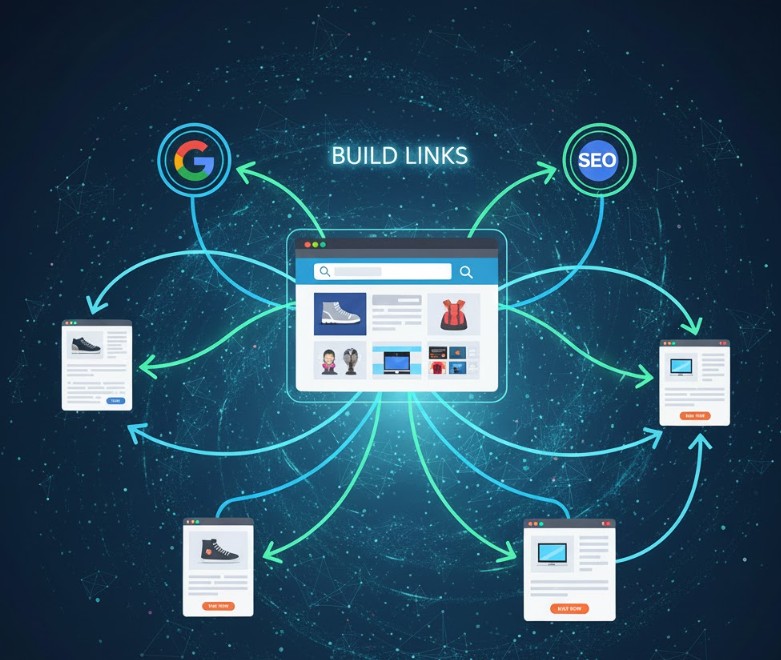
Why Does Deep Linking to Product Pages Matter for SEO?
Search engines evaluate authority at the page level, not just the domain level. If all inbound links point to a homepage or blog, product pages must rely on internal linking alone to rank.
Deep linking solves this by passing authority directly to product URLs, improving their ability to rank for commercial queries, compete with marketplaces, and convert organic traffic.
While harder to execute, product-page links typically deliver a far higher ROI than generic domain-level links.
What Is the Smart Way to Build Product Page Links?
The hard way is begging for links or stuffing anchors unnaturally.
The smart way is positioning your product as the natural solution, replacement, or reference within existing content ecosystems.
Below are ten strategies that consistently earn links directly to product pages when executed correctly.
Top 10 Link Building Strategies for Ranking E-Commerce Product Pages
The following ten white label link building strategies show how successful e-commerce brands secure high-quality links without risking penalties or relying on outdated tactics.
1. The “Competitor Alternative” Campaign
Publishers frequently create listicles like “Best Alternatives to [Brand]” or “Products Similar to [Competitor].”
These pages exist specifically to link out to products.
By identifying these articles and pitching your product as a better-priced, better-featured, or more available alternative, you align perfectly with the publisher’s intent.
The result is a direct product-page link placed naturally within a comparison context.
2. The “Out-of-Stock” Sniping Method (Broken Link Building 2.0)
Competitor products frequently go out of stock, get discontinued, or return 404s. Publishers linking to those pages often don’t realize the issue.
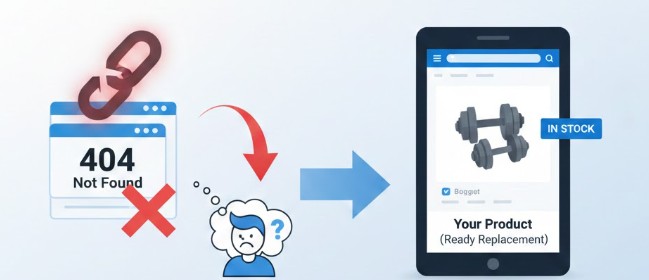
Example: A fitness blog links to a discontinued adjustable dumbbell set. You offer a similar in-stock product with comparable specs.
What you highlight in outreach
- The broken or unavailable product
- The user experience issue
- Your product as a ready replacement
This is broken link building evolved for e-commerce.
3. The “Gift Guide” Pitch (Seasonal PR)
Seasonal gift guides remain one of the most reliable ways to earn product links at scale. Editors need purchasable items, not blog posts, to populate these lists.
The key is preparation. Brands that pitch editors three months before major holidays, armed with a simple media kit, are far more likely to be included.
Because buying intent is built into gift guides, links naturally point to product pages.
4. The “Prop” Method (HARO/Connectively)
Journalists increasingly use platforms like HARO and Connectively, but most pitches focus on quotes. The “prop method” flips this approach.
Instead of offering commentary, you pitch your product as the real-world example or visual reference for the story.
When successful, the product becomes part of the article itself, earning a contextual link that is both relevant and editorially earned.
5. “Unboxing” & Review Blogger Outreach
Product reviews remain one of the few content formats where linking directly to a product page is expected.
The mistake many brands make is prioritizing influencers with large audiences over bloggers with strong domains.
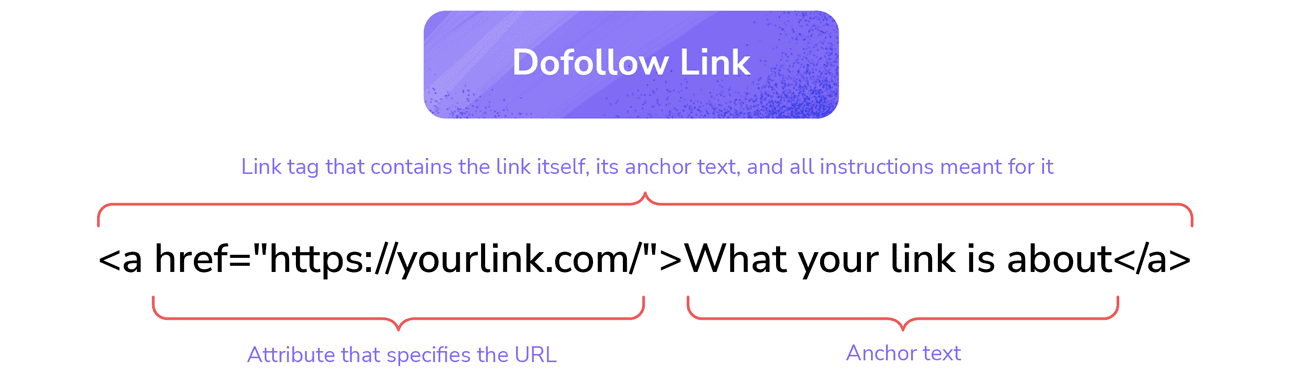
Targeting niche bloggers with real editorial sites allows brands to secure dofollow links embedded in long-form reviews. Offering free products in exchange for honest coverage remains an accepted and effective outreach model.
6. Image Reclamation (Product Photography)
High-quality product photography is frequently reused without attribution. This creates an overlooked link-building opportunity.
By running reverse image searches on product photos and requesting credit instead of takedowns, brands can convert unauthorized usage into legitimate product-page links.
Because you own the image rights, publishers are often willing to comply.
7. The “Ingredient/Component” Supplier Link
Many products rely on branded materials, components, or integrations. Suppliers often maintain “Partners,” “Featured Customers,” or “Where to Buy” pages.
Requesting inclusion on these pages turns supply-chain relationships into SEO assets.
These links are highly relevant, trustworthy, and naturally point to product pages rather than general content.
8. Specialized Coupon & Discount Directories
Generic coupon sites are risky, but niche discount pages, such as student, military, or senior discounts, offer safer opportunities.
Creating a dedicated discount page and pitching it to university resource pages or association websites can earn legitimate links.
When done selectively, these links drive both authority and qualified traffic.
9. The “Vs.” Showdown Strategy
Comparison pages are frequently cited by bloggers, affiliates, and buyers doing research.
Below is a simple example of how a comparison table makes a product page link-worthy:
Your Product vs Big Brand
| Feature | Your Product | Big Brand |
| Price | $59 | $99 |
| Warranty | 2 Years | 1 Year |
| Material | Organic Cotton | Synthetic Blend |
| Shipping | Free, 48 hrs | Paid, 5–7 days |
| Returns | 30 Days | 14 Days |
10. The “Solution” Guest Post (The Internal Bridge)
Guest posting still works when done strategically. Instead of writing generic thought leadership, focus on the specific problem your product solves.
By naturally linking to the product as the recommended solution within the article, you create an internal bridge between informational content and transactional pages, without forcing the link.
What Can Go Wrong With Product Page Link Building
Building links directly to product pages delivers strong SEO results, but it also carries higher risk when executed carelessly.
Unlike blog content, product pages sit squarely in the transactional zone, which means search engines scrutinize link patterns more closely.
Anchor Text Over-Optimization Is the Fastest Way to Get Penalized
One of the most common mistakes e-commerce brands make is repeating the same exact-match anchor text across multiple backlinks.
Using phrases like “Buy Leather Jacket”, “Cheap Running Shoes”, or “Best Office Chair Online” for every link sends an unnatural signal to search engines.
Product page links should look editorial and earned, not engineered.
When every link uses a commercial keyword, it increases the risk of algorithmic filters, including legacy Penguin-style link analysis, suppressing rankings rather than improving them.
Why Anchor Text Ratios Matter More for Product Pages
Product page links require a more conservative anchor text mix than informational content. A healthy backlink profile typically leans toward brand-led and neutral anchors, with exact-match phrases used sparingly.
As a general guideline for product pages:
- Branded anchors (brand name, product name) should form the majority
- Partial-match anchors should be used occasionally and contextually
- Exact-match anchors should be rare and never forced
This balanced ratio helps maintain trust while still passing relevance.
It also protects your site as algorithms continue evolving toward link intent analysis rather than raw keyword matching.
Key Takeaways
- Product-page links are harder to earn but far more valuable for rankings
- Contextual relevance matters more than link volume
- Competitor gaps and seasonal content create natural opportunities
- Editorial links outperform manufactured ones in both safety and impact
Most e-commerce teams don’t have the bandwidth to monitor competitor stock issues, scrape listicles, pitch hundreds of editors, or reclaim image links, all while running a business.
That is where expert support comes in.
Let Stan Ventures handle your E-Commerce Link Building. We specialize in securing editorial, product-level links that drive real rankings and revenue. With access to publisher inventories, outreach frameworks, and proven strategies, we help your products get featured where it matters most.
Frequently Asked Questions
Is it safe to build links directly to product pages?
Yes, when links are earned editorially and anchor text is natural.
What anchor text works best for product pages?
Branded and descriptive anchors perform better than repeated exact-match phrases.
Do category pages count as product pages?
They can, but individual product pages usually benefit more from direct authority.

Dipti Arora
AuthorDipti Arora is a Senior Content Writer with over seven years of experience creating impactful content across Digital Marketing, SEO, technology, and business domains. She has a strong background in managing news verticals and delivering editorial excellence. Dipti has contributed to leading publications such as The Times of India and CEO News, where her research-driven storytelling and ability to simplify complex subjects have consistently stood out. She is passionate about crafting content that informs, engages, and drives meaningful results.
