Mark Williams-Cook, an SEO expert and director at Candour Agency, recently gave a mind-blowing presentation on how Google’s ranking system really works.
His team uncovered hidden Google data from over 90 million search queries and 2,000 properties, offering a rare glimpse into the search giant’s thought process.
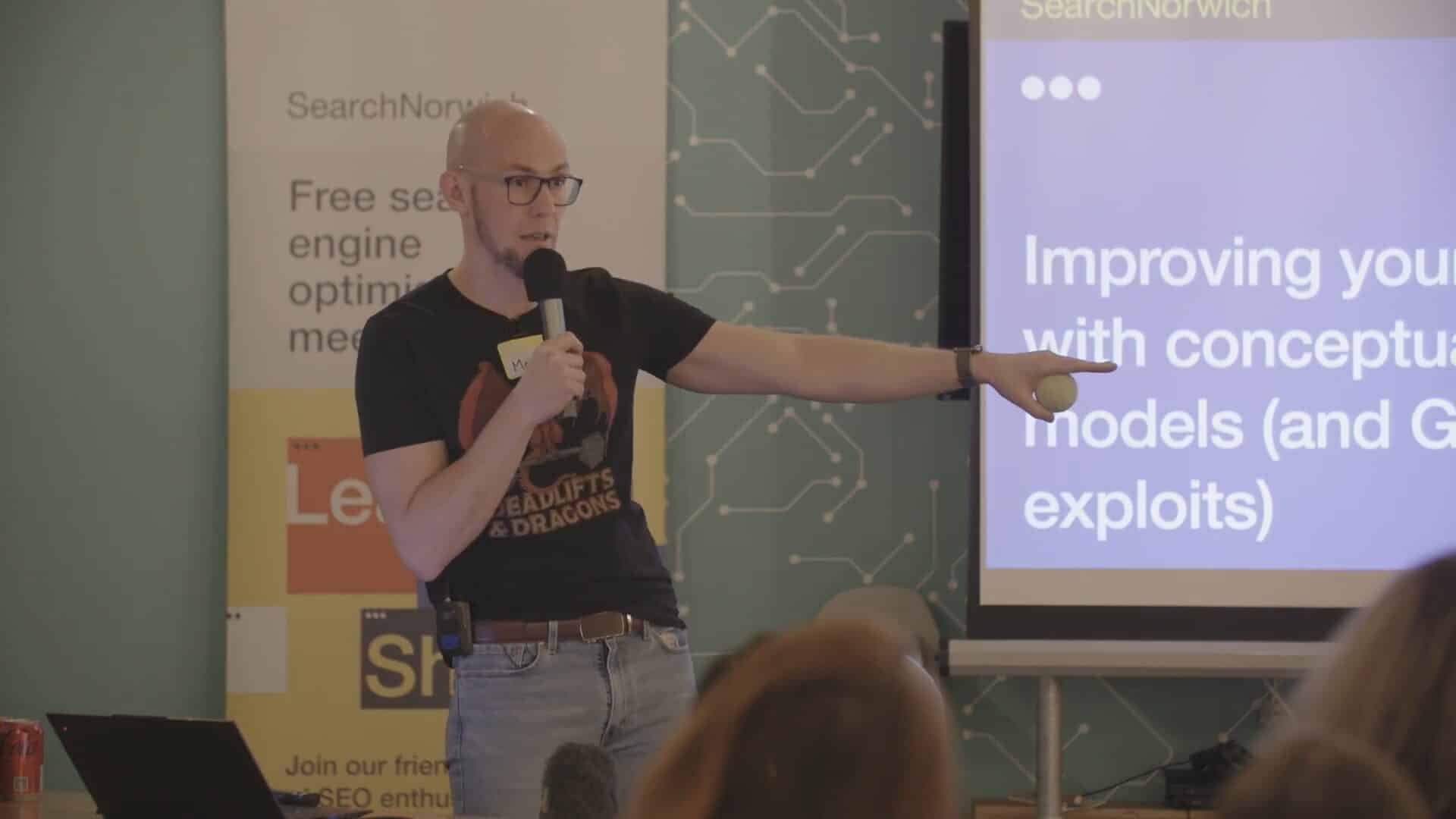
From site quality scores to consensus-based rankings, Williams-Cook’s findings are a must-read for anyone looking to master modern SEO.
If you’re wondering why some sites dominate rankings while others struggle, here’s everything you need to know!
The Tennis Ball Lesson
Mark Williams-Cook opened his talk with a tennis ball to demonstrate how we instinctively use conceptual models in everyday life.
He asked the audience to predict how high the ball would bounce when dropped. No one performed calculations like the coefficient of restitution; instead, they relied on intuition built from past experiences.
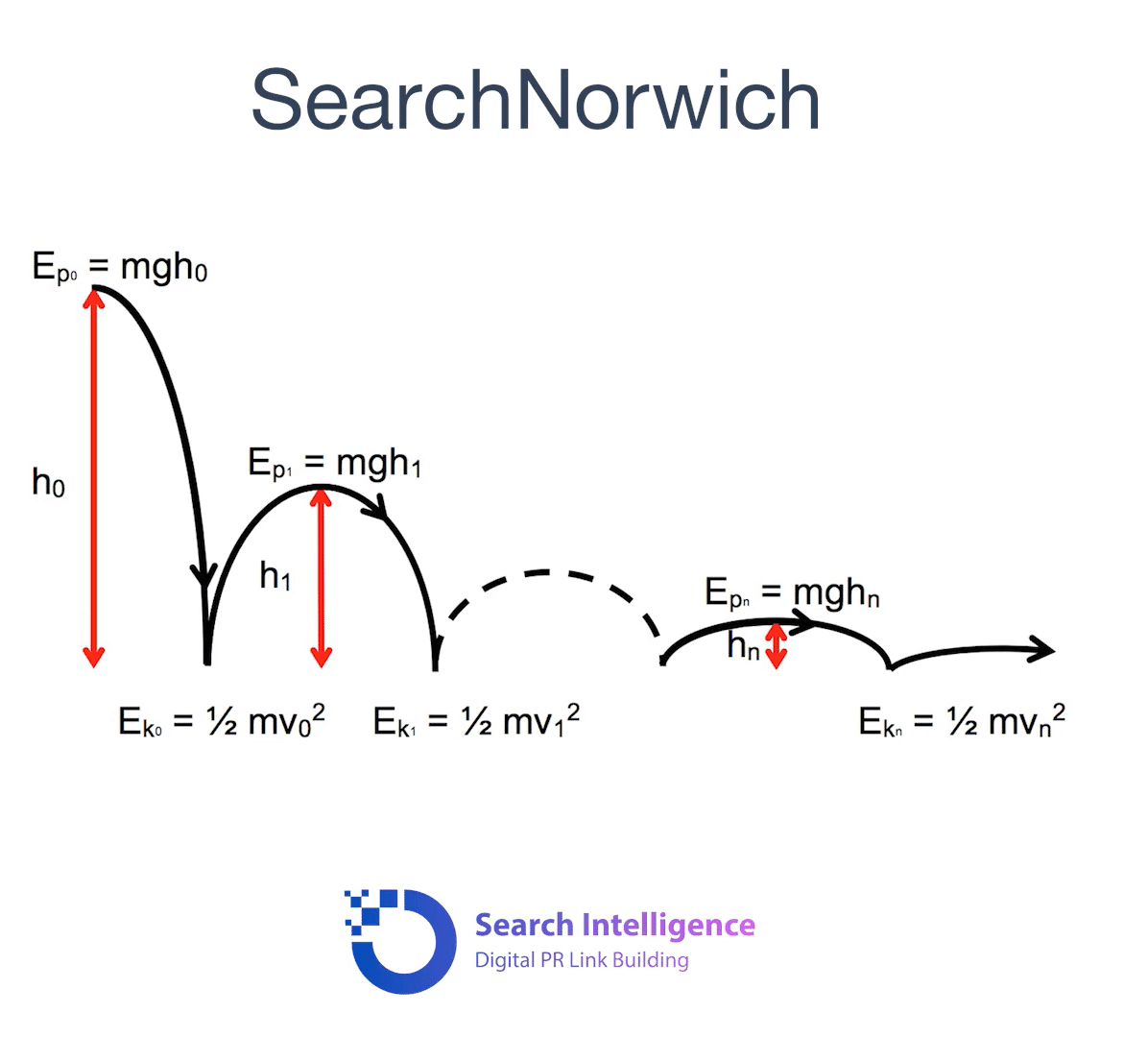
This analogy perfectly sets the stage for SEO:
- SEO conceptual models help simplify Google’s complex ranking system into understandable patterns.
- They guide decisions by focusing on principles rather than dissecting every intricate detail.
Williams-Cook emphasized that advanced SEO isn’t about memorizing technical jargon but building a reliable mental framework to predict what works in search rankings.
He then used his tennis ball analogy to compare SEO strategies with how Google balances user satisfaction and profitability—two often conflicting forces.
Google’s Secret Formula: What the Exploit Revealed
Williams-Cook’s presentation was built around an exploit his team discovered in Google’s systems. By manipulating Google’s network requests, they managed to extract data that the search engine giant uses to classify websites and queries. This exploit revealed over 90 million search queries and insights into 2,000 properties Google uses to rank and classify sites.
Among the most critical discoveries include:
- Google assigns site quality scores (from 0 to 1) to every subdomain.
- Search queries are categorized into eight query types based on intent.
- Google determines reliability through a consensus score, ranking content that aligns with widely accepted truths higher.
- Titles affect rankings via predicted click probability, even if CTR isn’t a direct ranking factor.
How Google Really Ranks Content: Key Findings
Here’s what Williams-Cook uncovered:
1. Consensus Score

Google’s algorithm assesses how well your content agrees with widely accepted views. This “consensus score” influences rankings, particularly for certain types of queries:
- Debunking Queries: If someone searches for “Is the Earth flat?” Google prioritizes results supporting the round-Earth consensus. Contradictory or neutral content is unlikely to rank.
- Subjective Queries: For politically charged or opinionated topics, Google intentionally mixes consensus, neutral, and non-consensus content to offer diverse perspectives.
If your content aligns with the majority consensus on certain topics, it’s more likely to rank. However, Google balances the playing field for subjective topics, which might explain why excellent content sometimes struggles to rank.
2. Your Money or Your Life (YMYL) Content
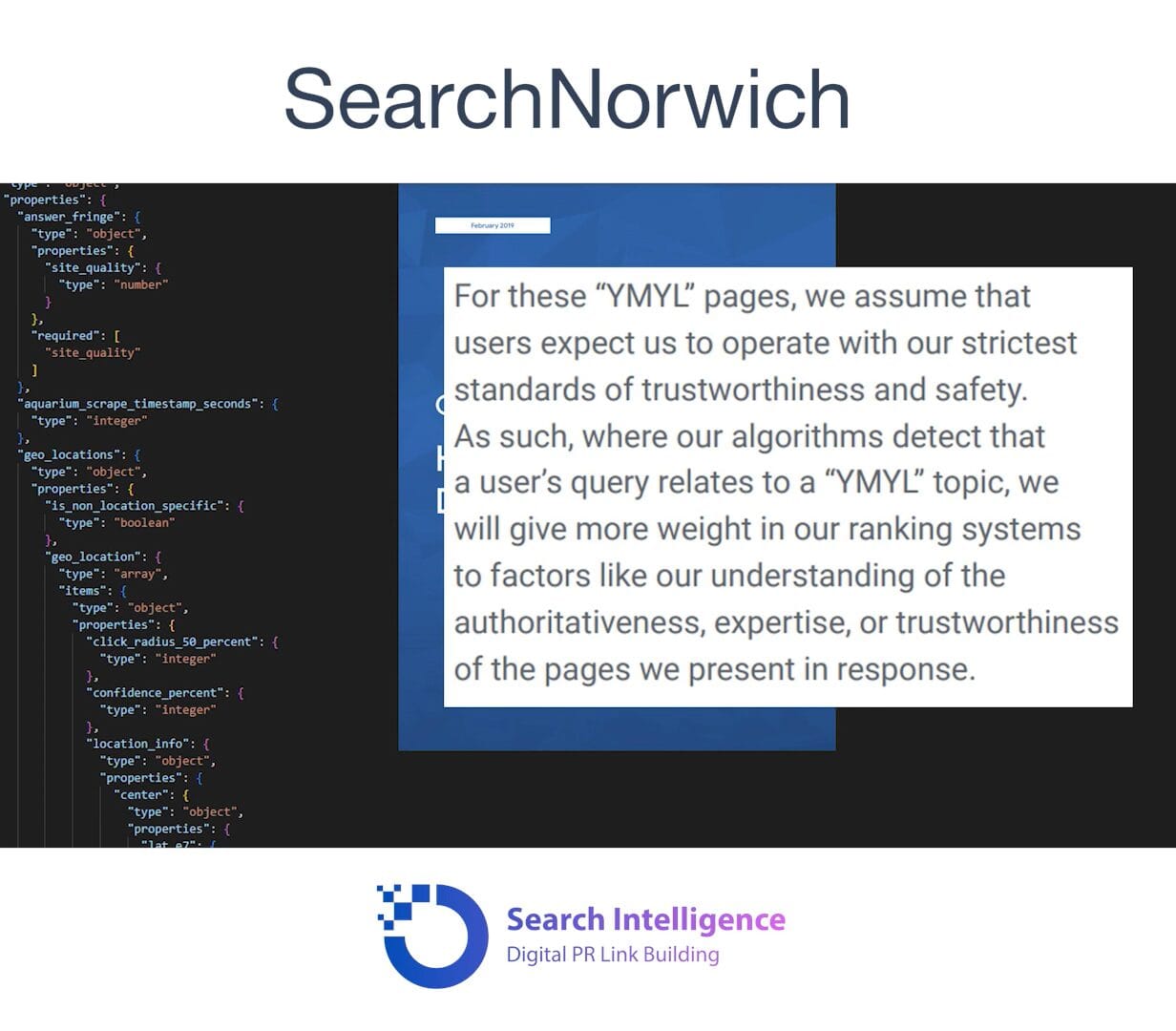
Google categorizes health, finance, and safety-related queries as “Your Money or Your Life” (YMYL). These queries are treated with extra scrutiny, prioritizing trustworthy and accurate content. For these searches, Google applies stricter criteria to ensure the results won’t harm users.
If you’re in the health or finance niches, expect intense competition. Smaller, less established websites often fail to meet Google’s trust thresholds, leaving the top spots to big brands or authoritative sources.
3. Google’s Eight Query Classes

Google doesn’t treat all queries the same. Instead, it categorizes them into eight Refined Query Semantic Classes (RQ):
- Short Fact/Boolean: True/false or yes/no answers (e.g., “Is water wet?”).
- Informational Queries: Broad searches for knowledge.
- Debunking Queries: Questions designed to correct misinformation.
- Transactional Queries: Searches intended for buying.
- Navigational Queries: Finding a specific website or page
Short-fact queries make up a significant chunk of Google’s traffic. However, Williams-Cook warns that these are at high risk of being replaced by Google’s AI-generated answers.
For example, a query like “What’s 5 + 5?” might no longer direct users to a website but instead display the answer directly in the search results.
4. Predicted Click Probability
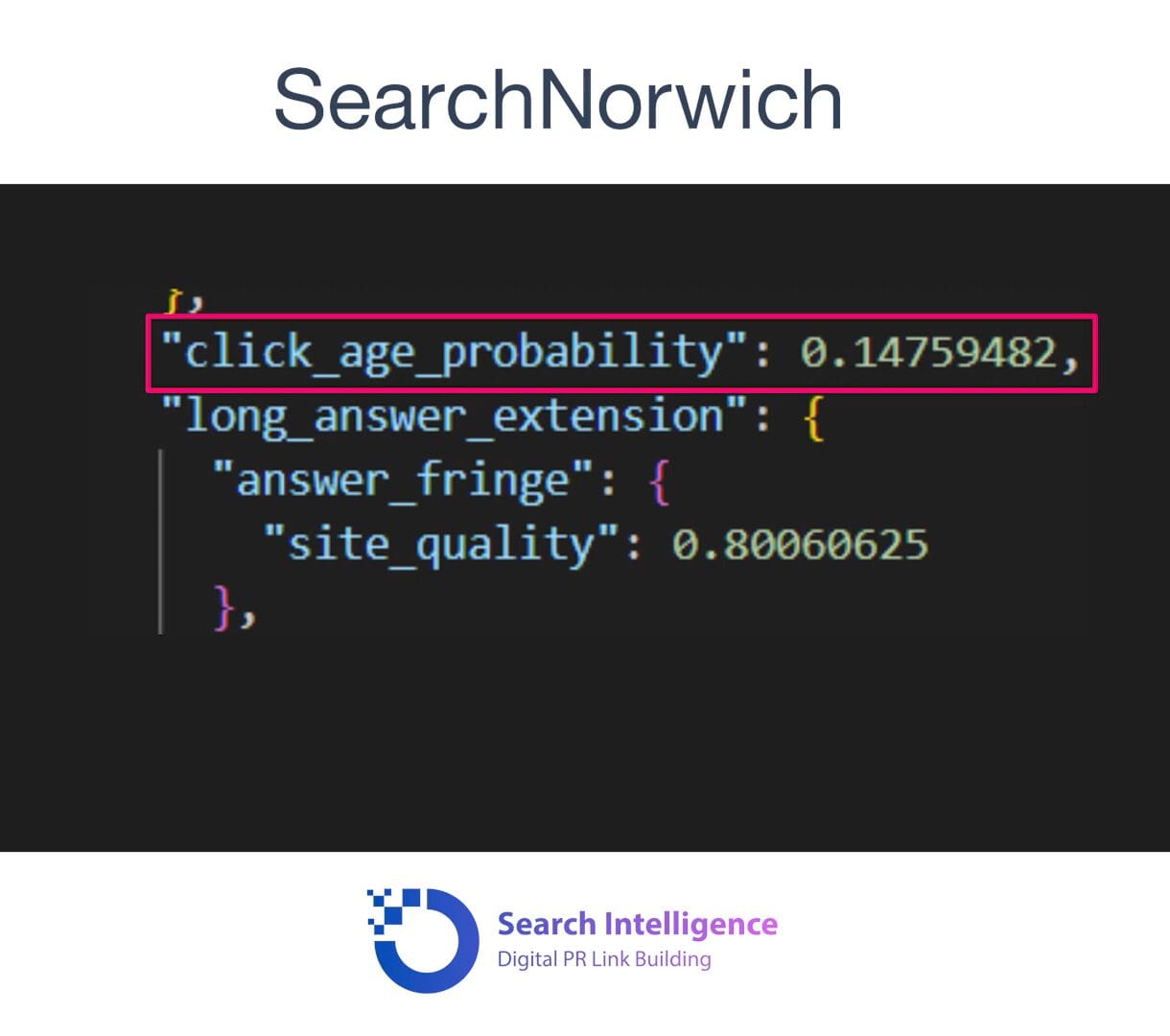
Google predicts how likely users are to click on your result based on your page title and snippet. While click-through rate (CTR) itself isn’t a direct ranking factor, the predicted CTR influences rankings.
- Modifying a page title can change your predicted click probability, which may improve your position in search results.
- Google provides hints through tools like Google Ads Planner, which estimates CTR based on keywords and titles.
5. Site Quality Scores

Every subdomain is scored by Google on a scale from 0 to 1 based on its quality. Williams-Cook’s team uncovered how this metric works and why it matters:
- Sites scoring below 0.4 are ineligible for rich features like featured snippets, and People Also Ask (PAA) boxes, no matter how optimized their content is.
- Quality scores are influenced by:
- How often people search for your site alongside other terms.
- How often people click on your site when it’s not the top result.
- How often your brand or site name appears in anchor text across the web.
Understanding SEO “Meta” and Google Updates
Williams-Cook compared SEO to competitive gaming, where players discover the “meta” (optimal strategies) until the game’s developers change the rules. SEO’s “meta” evolves similarly. When SEOs exploit loopholes—like AI-generated content—Google updates its algorithms to close those gaps.
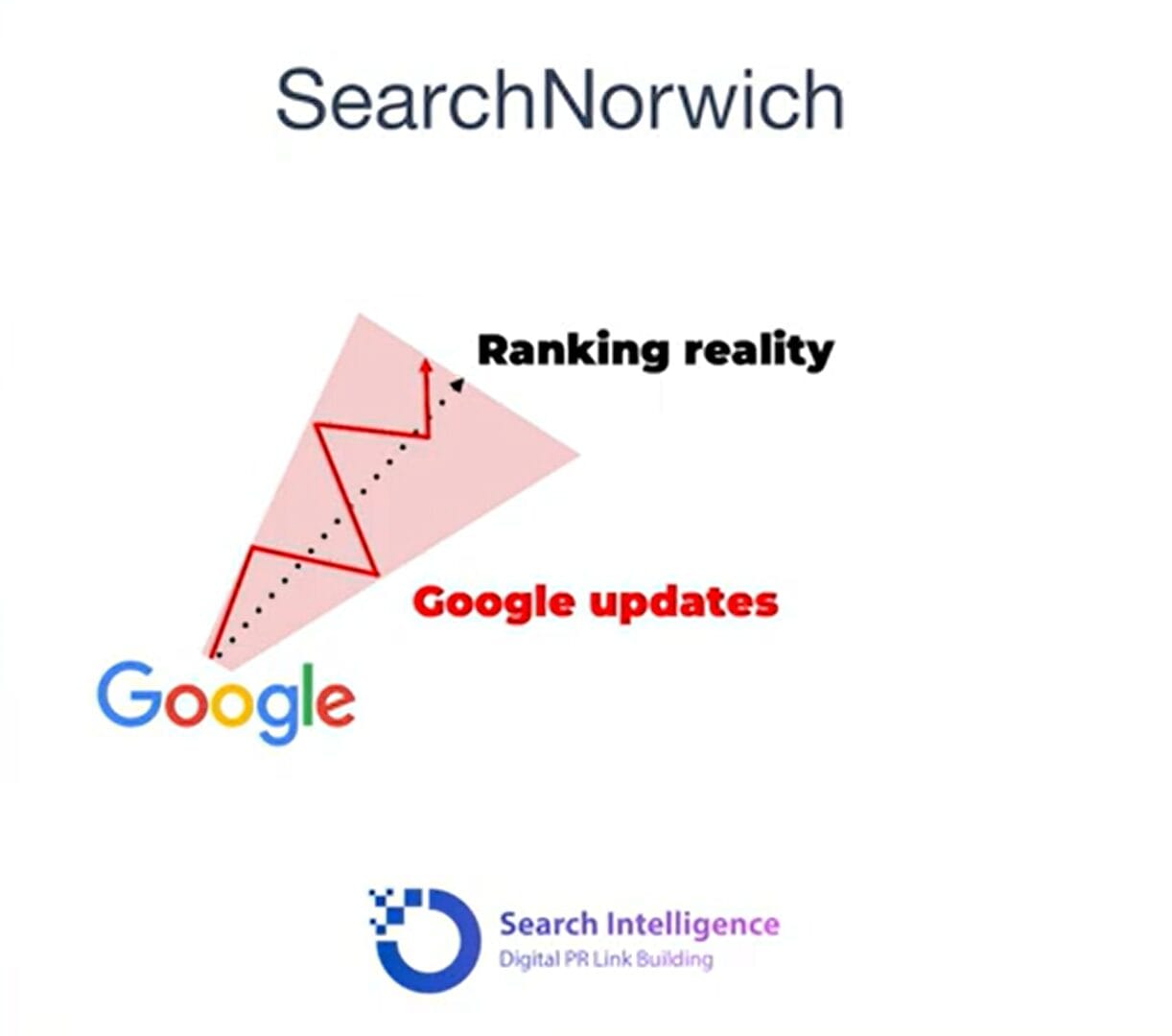
Example:
- In 2022, SEOs exploited AI content to rank for zero-volume keywords, achieving massive traffic.
- Google responded with the Helpful Content Update, penalizing AI-heavy sites and favoring trusted brands.
Why Classic SEO Metrics Are Losing Relevance
Williams-Cook highlighted that traditional SEO metrics like domain authority are becoming less reliable. Instead, Google is focusing on:
- Brand trust: How often users interact with your brand online.
- User experience: Measured through implicit signals like search frequency and click patterns.
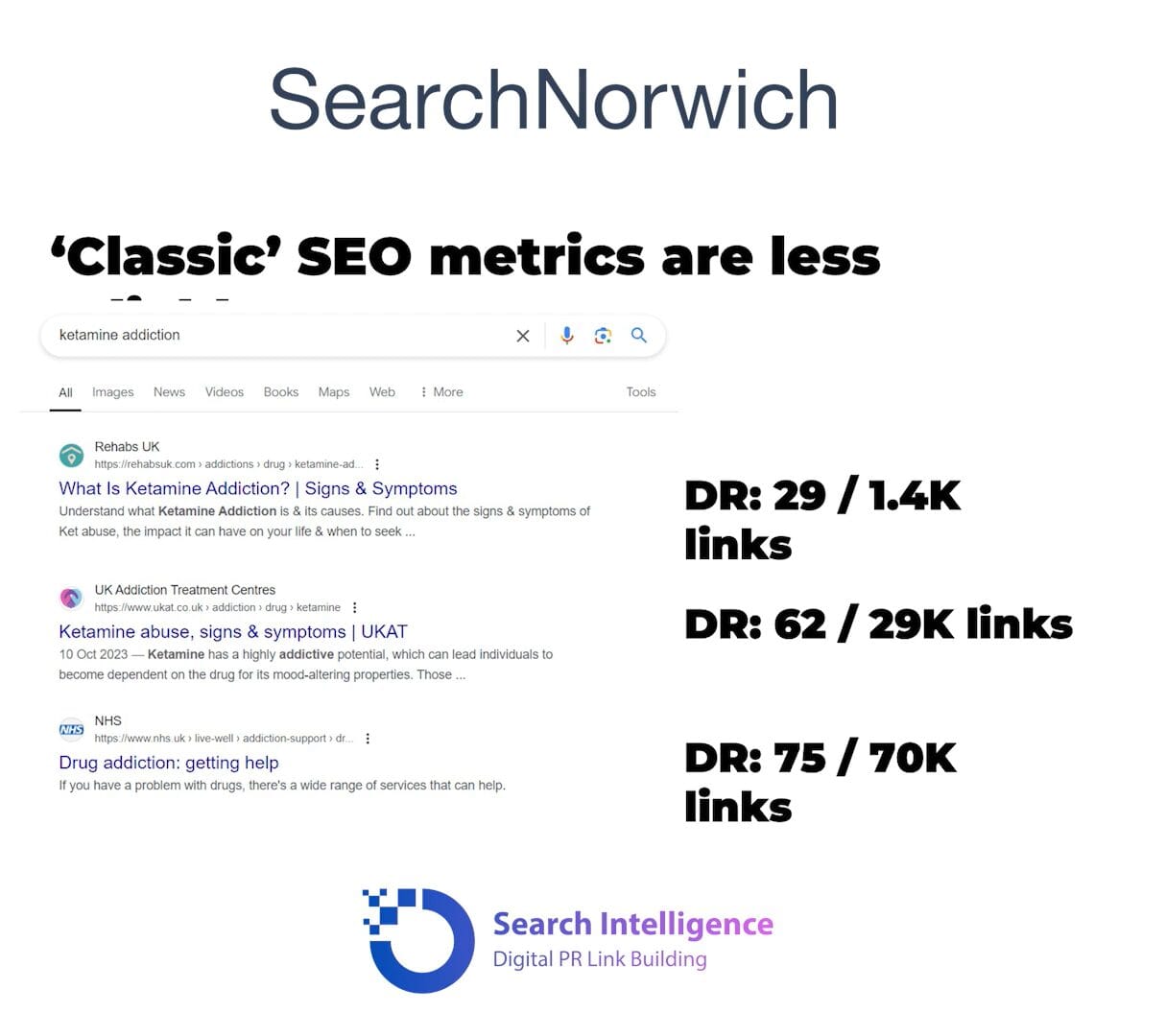
Even smaller brands can compete by building trust and demonstrating authority in their niche.
Implications and Predictions: What’s Next in SEO?
Here’s what these insights mean for the future of SEO and how businesses must adapt to stay competitive:
AI-Driven Answers: Short-fact and informational queries will increasingly see AI-generated answers, cutting into website traffic.
Greater Brand Emphasis: Google will continue prioritizing established brands, making trust-building essential for new sites.
Dynamic Updates: Algorithm changes will focus on fixing loopholes and rewarding high-quality content while penalizing spam.
Stricter YMYL Criteria: YMYL sites must meet even higher standards for accuracy and reliability.
Practical SEO Advice to Stay Ahead
Let’s look at actionable steps you can take to optimize your strategy, build trust, and thrive in a rapidly changing SEO environment.
Build a Strong Brand: Focus on increasing organic mentions, user trust, and visibility.
Diversify Content: Move beyond short-fact queries to more in-depth, engaging content.
Optimize Titles and Snippets: Align with Google’s predicted click probability for higher rankings.
Track Updates Closely: Stay adaptable to evolving SEO “meta” and algorithm changes.
Understand Search Intent: Create content tailored to Google’s eight query classes.
Key Takeaways
- Content that aligns with the majority opinion ranks higher for certain queries.
- A score below 0.4 locks you out of rich results like snippets and PAA.
- Health and finance sites must meet stricter trust criteria.
- Expect AI to dominate short-fact and basic informational queries.
- Building a strong brand is now more important than classic SEO tactics.

Dileep Thekkethil
AuthorDileep Thekkethil is the Director of Marketing at Stan Ventures, where he applies over 15 years of SEO and digital marketing expertise to drive growth and authority. A former journalist with six years of experience, he combines strategic storytelling with technical know-how to help brands navigate the shift toward AI-driven search and generative engines. Dileep is a strong advocate for Google’s EEAT standards, regularly sharing real-world use cases and scenarios to demystify complex marketing trends. He is an avid gardener of tropical fruits, a motor enthusiast, and a dedicated caretaker of his pair of cockatiels.
