
The SEO and web analytics community had an unexpected spark this week—and it all started with a bot name that refused to stay still.
Across forums, Slack groups, and X timelines, developers began noticing unfamiliar names appearing in rapid succession: Clawd, Moltbot, and OpenClaw. What followed was a wave of speculation as the internet tried to figure out if this was a new search engine or something bigger.
As it turns out, it wasn’t a search engine at all. It was the “Open Agent Platform” revolution arriving all at once.
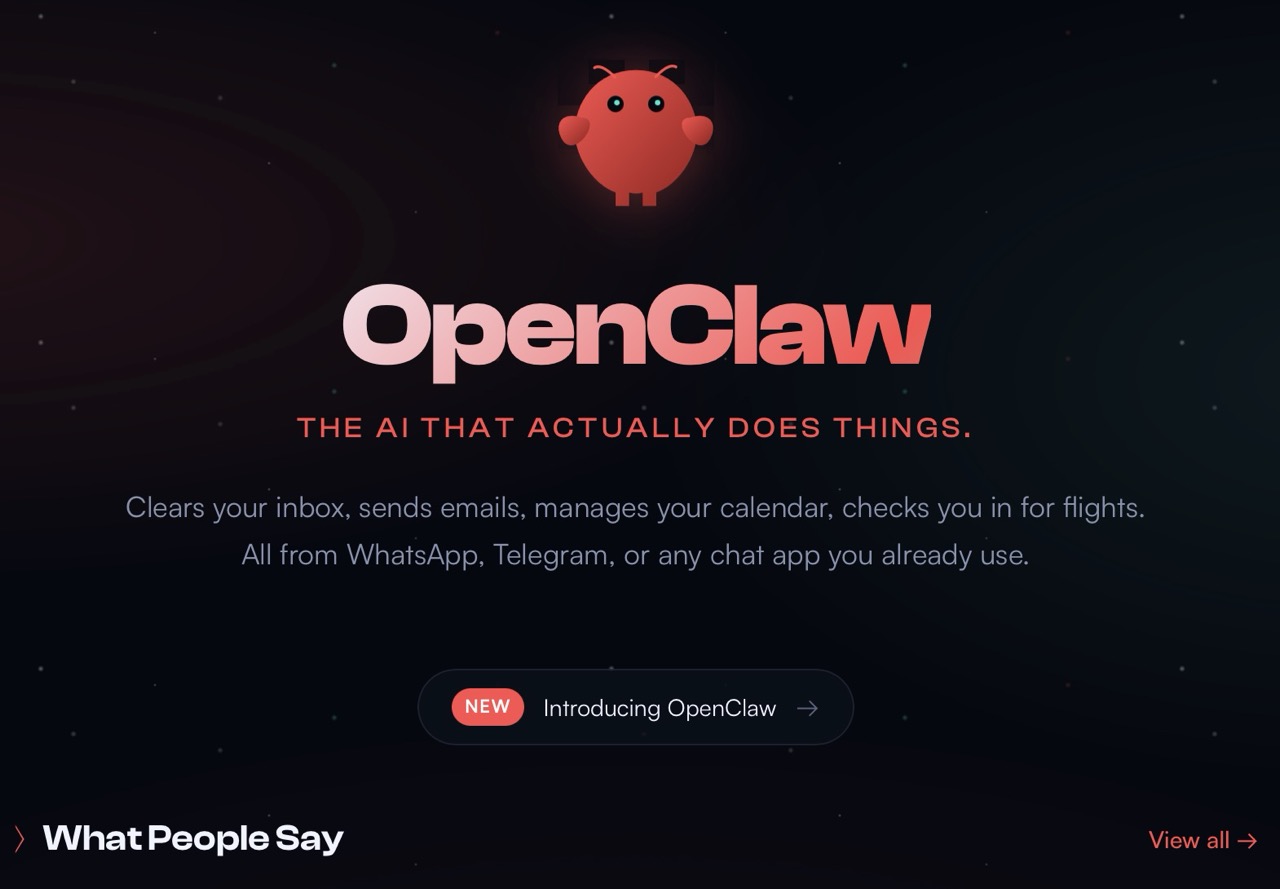
What Triggered the Buzz?
The chatter kicked off when a project originally known as “WhatsApp Relay” went viral, garnering over 100,000 GitHub stars and 2 million visitors in a single week. Because this tool runs on personal servers (VPS, homelabs) and fetches web content, it created a massive spike in traffic that looked like a new bot network.
The confusion was amplified by a rapid-fire naming crisis detailed by creator Peter Steinberger:
Clawd (The Original): Born in November 2025 as a pun on “Claude” (the AI model) + “Claw.” It was the dominant name until Anthropic’s legal team requested a change to avoid trademark infringement. Note: This often appeared in server logs as
ClawdBot.Moltbot (The “Jolt” Confusion): Chosen during a chaotic 5 AM Discord brainstorm, this name represented a lobster “molting” to grow. (Early reports incorrectly identified this as “JoltBot,” likely due to the similar sound). It was abandoned because it didn’t “roll off the tongue.”
OpenClaw (The Final Form): Announced on January 29, 2026, this is the permanent name, signifying an open-source platform with a nod to its “lobster heritage.”
Why SEO Pros Are Paying Attention
This isn’t just a crawler; it’s a “User Agent” in the literal sense. OpenClaw allows users to run AI assistants on their own infrastructure that interact with the web via chat apps like WhatsApp, Telegram, Discord, and Slack.
When you see OpenClaw in your logs, it isn’t indexing your site for a search engine. It is a specific person’s AI assistant reading your content to answer a query, summarize a page, or perform a task for its owner.
Technical Reality: What is OpenClaw?
According to the release notes, OpenClaw is an “open agent platform” that allows users to keep their data on their own hardware (“Your infrastructure. Your keys. Your data”).
The latest update that caused the surge included:
New Channels: Plugins for Twitch and Google Chat.
New Model Support: Integration with KIMI K2.5 and Xiaomi MiMo-V2-Flash.
Security Hardening: Over 34 security-related commits to prevent prompt injection, a critical feature for agents that browse the open web.
What Website Owners Should Do
The “Consolidation Theory” was correct: OpenClaw, Clawd, and Moltbot are all the same entity evolving in real-time.
Don’t Panic: These bots are not malicious scrapers; they are agents acting on behalf of real users.
Update Your Recognition: “JoltBot” does not exist. The correct lineage is Clawd Moltbot OpenClaw.
Prepare for Agents: As OpenClaw scales (Peter Steinberger is now hiring full-time maintainers), “Agent Traffic” will become a significant metric alongside “Search Traffic.”
Our Take
The “Claw Crew” (as the community calls itself) has turned a weekend project into a major infrastructure player. If you are seeing OpenClaw in your analytics, take it as a compliment: your content is being actively retrieved by the cutting edge of the Agentic Web.

Dileep Thekkethil
AuthorDileep Thekkethil is the Director of Marketing at Stan Ventures, where he applies over 15 years of SEO and digital marketing expertise to drive growth and authority. A former journalist with six years of experience, he combines strategic storytelling with technical know-how to help brands navigate the shift toward AI-driven search and generative engines. Dileep is a strong advocate for Google’s EEAT standards, regularly sharing real-world use cases and scenarios to demystify complex marketing trends. He is an avid gardener of tropical fruits, a motor enthusiast, and a dedicated caretaker of his pair of cockatiels.
