
Google has formally documented a new crawler called Google Messages, explaining how links shared in chat conversations are fetched to generate previews. The update gives website owners clearer insight into a specific type of Google traffic that is not connected to search rankings or indexing.
Google has expanded its crawlers documentation to include a previously undocumented fetcher named Google Messages.
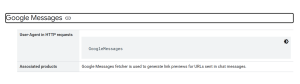
The company describes it as a user-triggered crawler that retrieves web pages only when someone shares a URL inside a chat message. Its purpose is limited to creating link previews, such as titles, descriptions, and images, within messaging environments.
This clarification matters because site owners frequently analyze Google-originated traffic to understand indexing behavior, performance trends, and potential issues.
Until now, these preview-related fetches could appear unexplained or be mistaken for search-related crawling.
What the Google Messages Crawler Actually Does
The Google Messages crawler identifies itself with the GoogleMessages user agent in HTTP requests. It activates only after a user shares a link in a chat, triggering a one-time fetch to assemble preview content.
Unlike Googlebot or other indexing systems, this crawler does not evaluate page quality, follow internal links, or store content for later use.
It retrieves only what is necessary to display a preview card inside a message thread. Once that task is complete, the interaction ends.
This narrow scope makes it fundamentally different from crawlers that influence search visibility.
Why Google Chose to Document It Now
Google says the crawler was added to its documentation so site owners can recognize traffic generated when links are shared through Google Messages.
Until now, these requests could appear in logs without any clear explanation, often leading to unnecessary speculation about indexing activity or ranking signals.
Publishers who monitor crawler behavior closely tend to treat unexpected Google fetches as possible indicators of a broader change.
When a request does not match the patterns of known bots, it can raise concerns about policy reviews or search system adjustments. Clear documentation reduces that uncertainty and helps explain why these fetches occur.
The update also draws a clear boundary between systems that influence search visibility and those that exist only to support how links appear inside private conversations.
What This Means for Website Owners and SEOs
For most sites, the presence of Google Messages traffic does not require any action. These requests are typically lightweight and infrequent, reflecting individual users sharing links rather than automated crawling.
Blocking the crawler could prevent previews from appearing when links are shared, which may reduce engagement or trust when content circulates through private messages. Allowing it, on the other hand, does not expose content to search indexing or broader distribution.
From an SEO perspective, this crawler should not be factored into crawl budget analysis, ranking diagnostics, or indexing audits. Treating it as a search activity would lead to inaccurate conclusions.
A Look at How Content Is Shared Today
While the update itself is modest, it highlights how content discovery increasingly happens outside traditional search results.
Links are now passed through private conversations, group chats, and messaging apps, where preview quality shapes whether someone clicks or ignores a shared page.
Google’s decision to document Google Messages suggests an awareness that these interactions matter to site owners, even if they sit outside the search ecosystem.
Clear documentation helps publishers understand how their content appears when shared, without overestimating its impact on search performance.
Practical Steps You Can Take
Website owners can review server logs to identify requests using the GoogleMessages user agent and label them correctly in reporting tools. This helps keep analytics clean and avoids mixing preview fetches with indexing activity.
If you manage robots.txt or firewall rules, allowing this crawler ensures that shared links display accurate previews. Unless there is a specific technical concern, there is little downside to permitting access.
Key Takeaways
- Google has documented a new crawler called Google Messages.
- The crawler generates previews when links are shared in chats.
- Its user agent appears as GoogleMessages in server logs.
- It does not index pages or affect search rankings.
- Clear identification helps site owners interpret Google traffic accurately.

Zulekha
AuthorZulekha is an emerging leader in the content marketing industry from India. She began her career in 2019 as a freelancer and, with over five years of experience, has made a significant impact in content writing. Recognized for her innovative approaches, deep knowledge of SEO, and exceptional storytelling skills, she continues to set new standards in the field. Her keen interest in news and current events, which started during an internship with The New Indian Express, further enriches her content. As an author and continuous learner, she has transformed numerous websites and digital marketing companies with customized content writing and marketing strategies.
