AI does not read online content the way writers expect. A large analysis of real ChatGPT citations shows that structure, clarity, and placement matter more than narrative flow, with most citations pulled from the very top of a page.
New research by Kevin Indig offers one of the clearest looks yet at how AI systems evaluate written content.
The study analyzed 1.2 million AI-generated responses and more than 18,000 verified citations to determine where AI looks, what it extracts, and why some pages get quoted while others are ignored.
The conclusion challenges years of content advice. AI does not reward slow builds, long introductions, or suspense-driven writing. It behaves more like an editor under time pressure, scanning quickly for answers it can trust and reuse.
The “Ski Ramp” Effect and Why Early Placement Wins
The data reveals a striking pattern. Roughly 44% of citations come from the first 30% of a page. Another 31% come from the middle section. The final third contributes less than a quarter.
This steep drop-off explains why deeply buried insights struggle to surface in AI answers. Even when a page contains strong material, placing it late significantly lowers its visibility.
The reason appears rooted in training data. AI models learn from journalism and academic writing, both of which prioritize conclusions and key facts at the top. The system forms its understanding early, then interprets everything else through that frame.
AI Reads Paragraphs Carefully, But Only After Context Is Set
While placement matters, the research shows AI is not simply grabbing the first sentence and moving on. Within individual paragraphs, more than half of citations come from middle sentences rather than opening or closing lines.
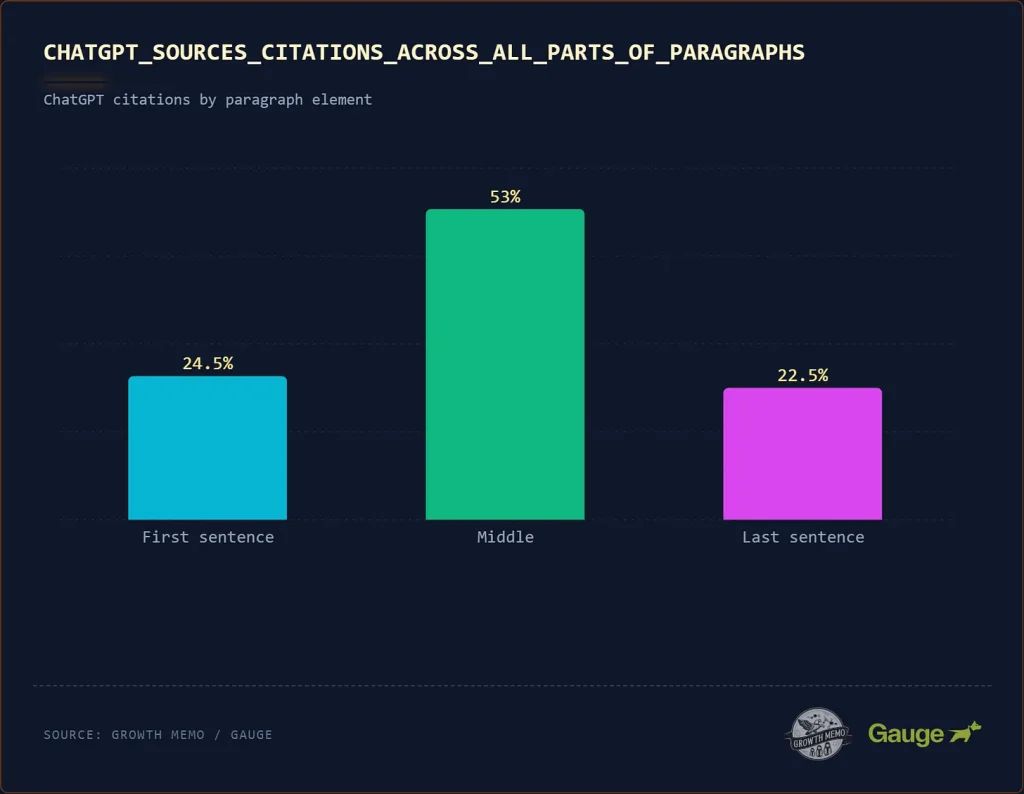
This suggests a layered behavior. AI first establishes context from early sections of the article. Once that frame is set, it scans paragraphs for sentences with the highest informational value.
Writers do not need to force answers into the first line of every paragraph. They do need to ensure that strong, complete explanations appear early on the page.
What Separates Cited Text From Ignored Text
The analysis identified five traits that consistently appear in passages AI chooses to cite.
Clear statements that define relationships
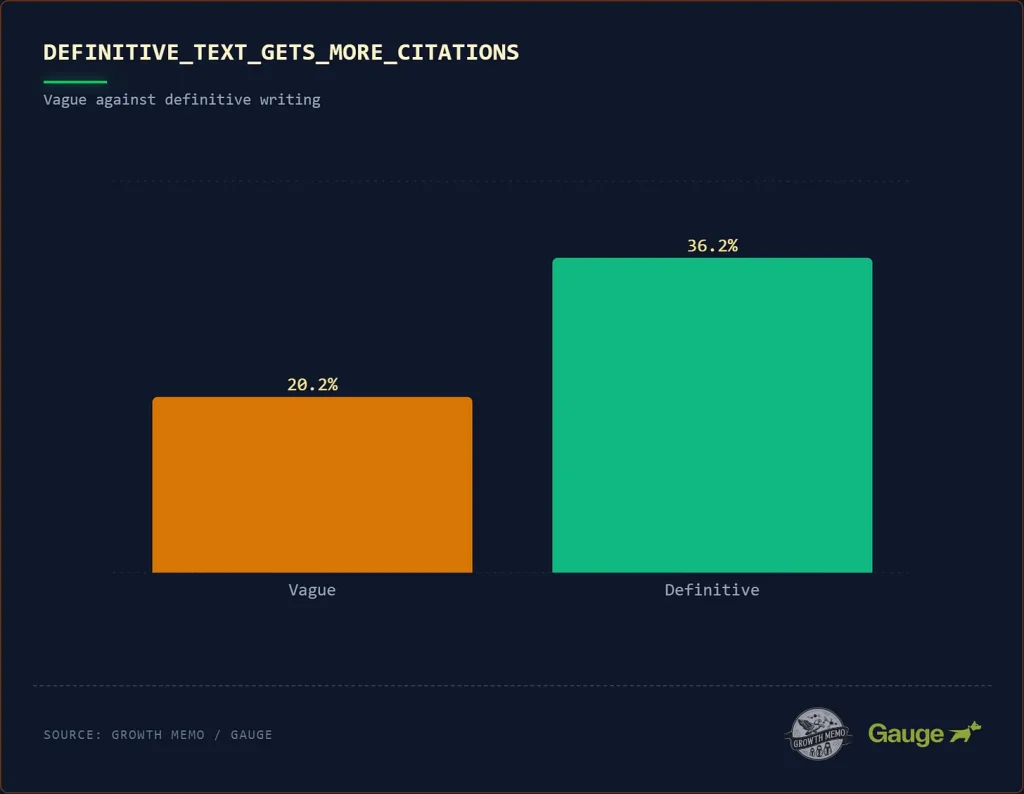
Sentences that explain what something is, does, or means outperform vague descriptions. Direct language helps AI resolve questions quickly.
Headings that mirror real questions
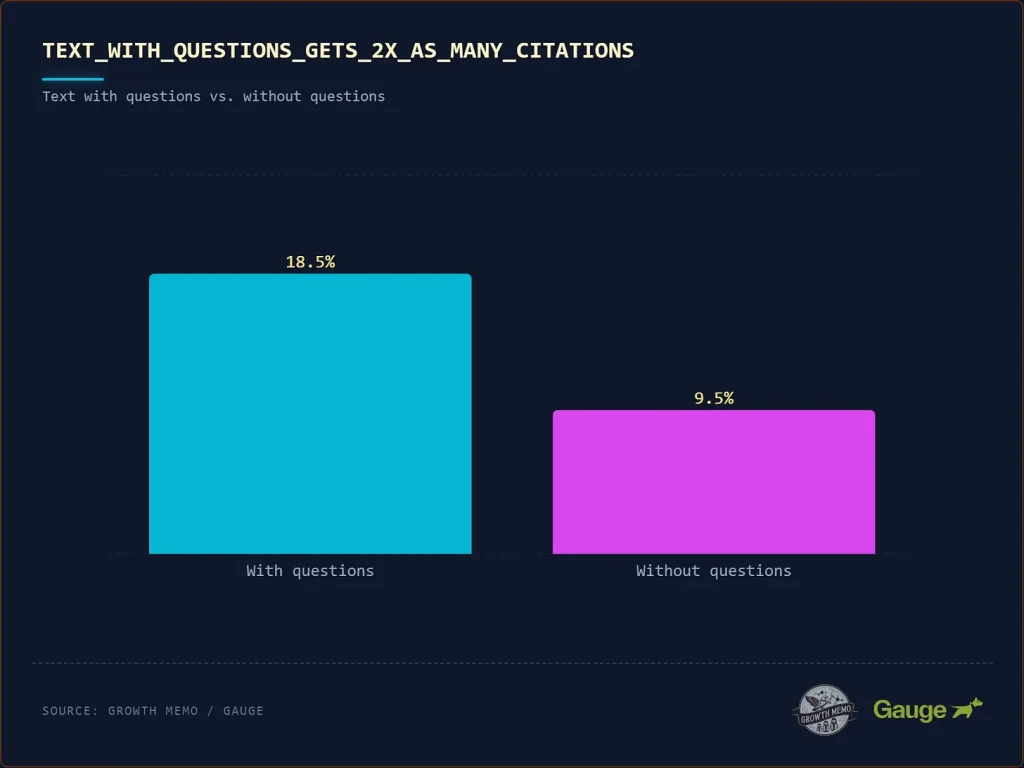
Headings framed as literal user questions followed by immediate answers perform especially well. In many cases, AI treats the heading as the prompt and the next paragraph as the response.
Dense use of real-world entities
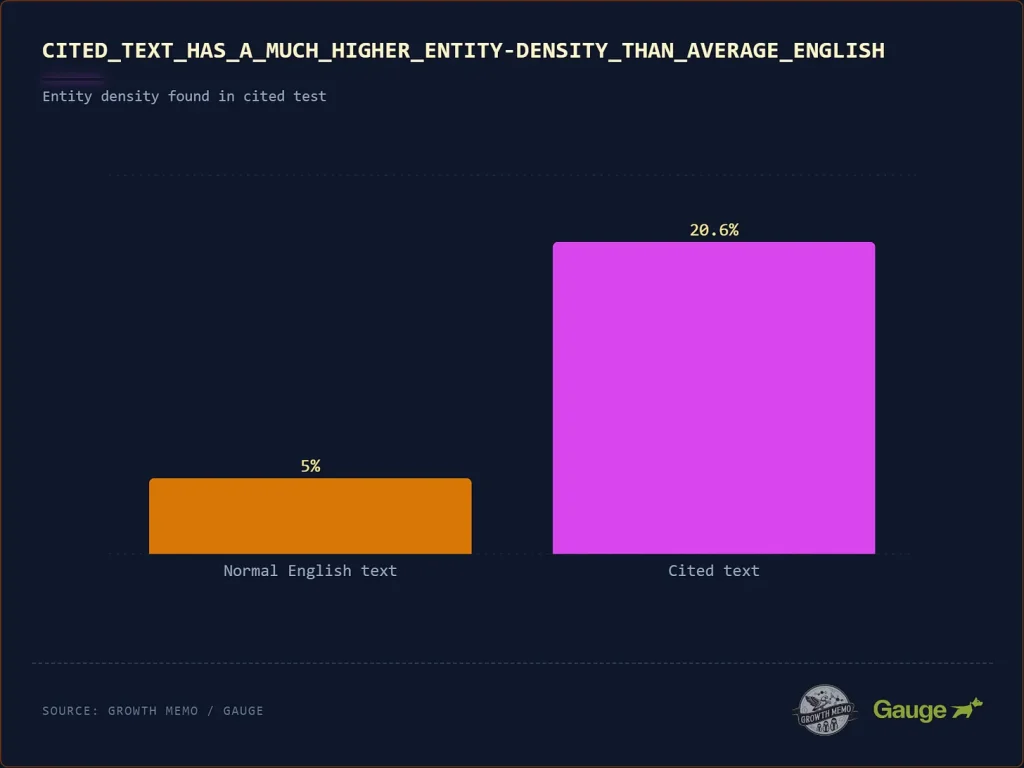
Cited text contains far more proper nouns, such as brands, tools, people, or products. Specific names reduce ambiguity and give AI reliable anchors.
Measured analytical tone
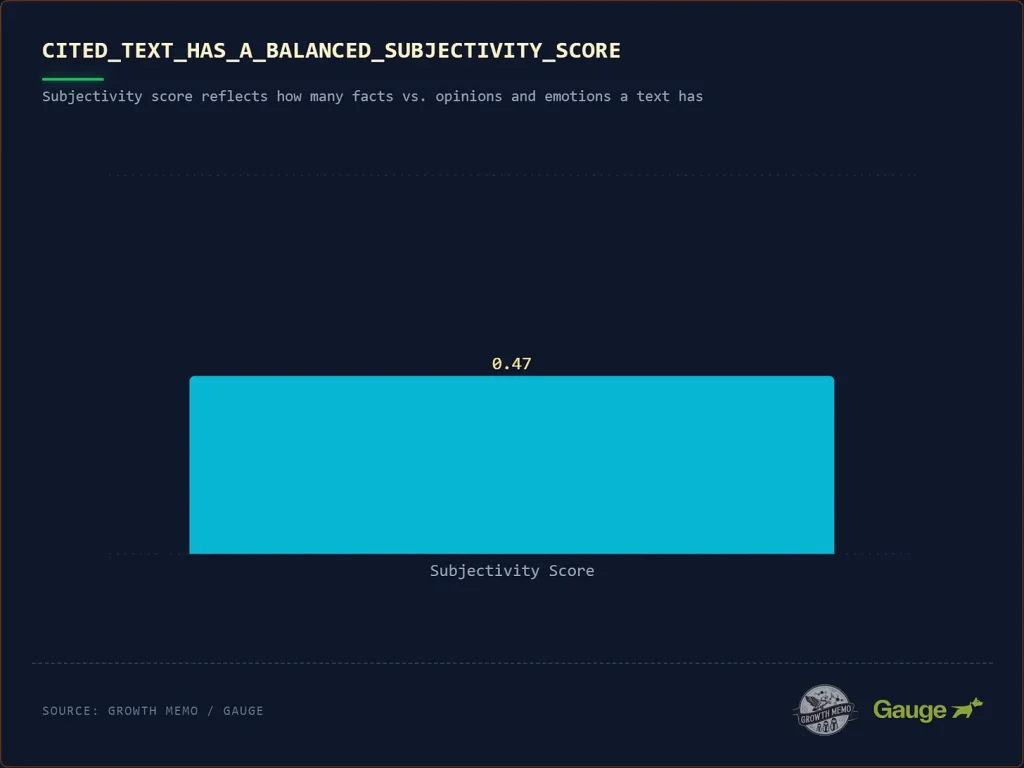
AI avoids extremes. It does not favor dry fact lists, nor does it reward emotional opinion. It prefers writing that explains why facts matter.
Accessible but serious prose
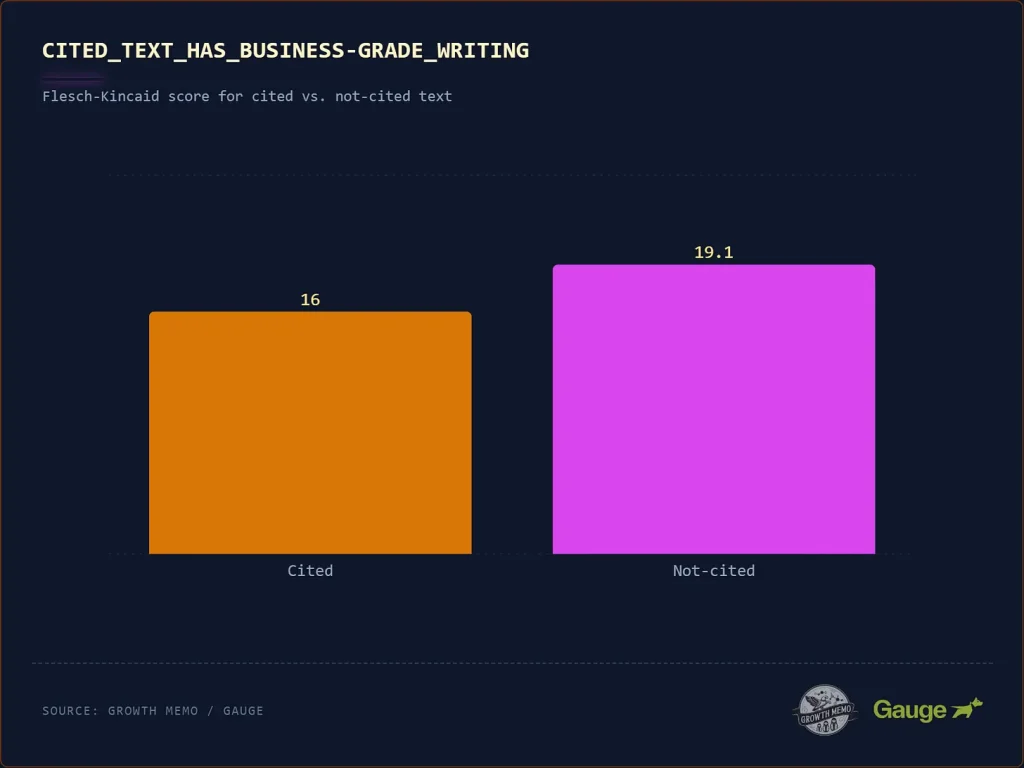
Text written at a college reading level is cited more often than highly academic writing. Shorter sentences and clear structure make extraction easier.
Why Narrative Writing Loses Ground in AI Results
Traditional long-form content often withholds its main point until later. That approach works for engaged human readers but clashes with how AI processes information.
From an AI perspective, delayed conclusions signal uncertainty. The system prioritizes content that classifies concepts quickly and confidently.
This does not mean storytelling is obsolete. It means that in informational content, storytelling must follow clarity, not precede it.
What Writers and Publishers Should Change First
The findings point to a clear structural reset rather than a stylistic tweak.
Place the primary definition, claim, or finding in the first third of the page, not after background or context. The opening section should resolve the main question directly, the way a news brief does, before expanding into detail.
Frame headings as literal questions users ask and answer them immediately in the paragraph that follows. Avoid thematic or abstract section titles that delay clarity.
Replace general recommendations with concrete references. Naming specific tools, companies, or examples increases the likelihood that AI can extract and reuse the passage.
Depth remains important, but it only helps once the core idea is stated early and unambiguously.
Key Takeaways
- AI prioritizes the first third of an article when selecting citations.
- Strong paragraphs early in the text matter more than long introductions.
- Question-style headings followed by direct answers perform well.
- Specific names and entities increase citation likelihood.
- Clear, moderate-complexity writing helps AI extract facts.

Zulekha
AuthorZulekha is an emerging leader in the content marketing industry from India. She began her career in 2019 as a freelancer and, with over five years of experience, has made a significant impact in content writing. Recognized for her innovative approaches, deep knowledge of SEO, and exceptional storytelling skills, she continues to set new standards in the field. Her keen interest in news and current events, which started during an internship with The New Indian Express, further enriches her content. As an author and continuous learner, she has transformed numerous websites and digital marketing companies with customized content writing and marketing strategies.