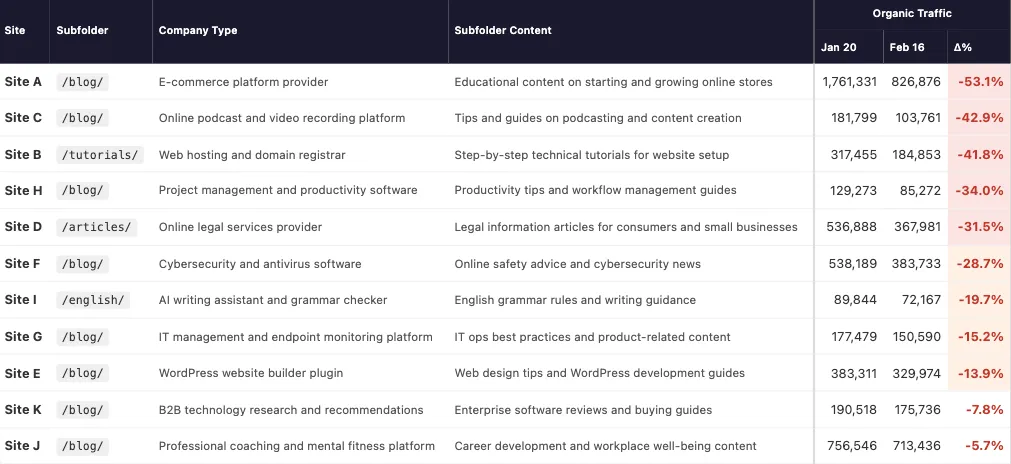
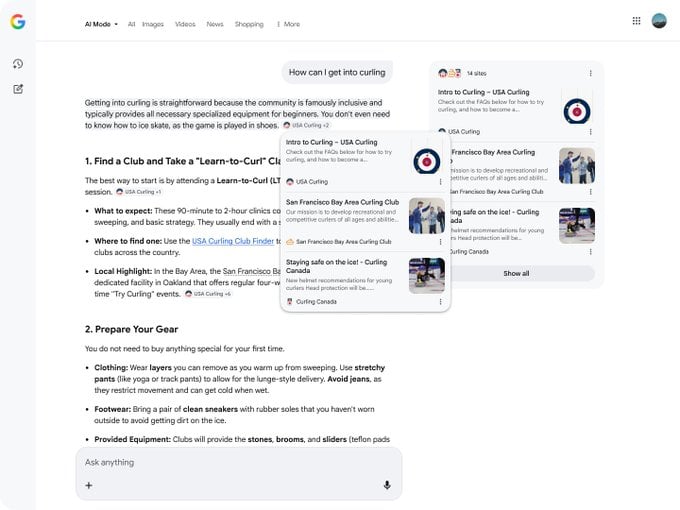
A major U.S. publisher has accused Google of dismantling the long-standing economic logic of the open web, arguing that AI-powered search results now absorb publisher content while cutting off the traffic that once sustained digital journalism.
Penske Media Corporation, the publisher behind outlets including Deadline, Rolling Stone, and The Hollywood Reporter, has intensified its antitrust fight against Google by filing a federal court memorandum in February 2026 opposing Google’s motion to dismiss the case.
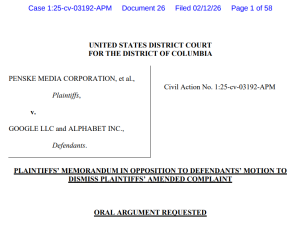
The filing claims Google has used its dominance in search to fundamentally change how online publishing works, shifting from directing users to websites toward keeping them on Google’s own results pages through AI-generated answers.
According to PMC, this change has sharply reduced referral traffic, undermining the financial foundation of digital publishers who rely on search visibility to survive.
The Understanding That Built the Modern Web
PMC’s case rests on a simple idea that has guided online publishing for decades.
Publishers allowed Google to crawl and index their work with the expectation that search results would send readers back to their sites. That traffic made ads viable, helped subscriptions grow, and supported affiliate revenue, creating a workable balance between search engines and content creators.
The filing argues this was never a fringe theory or an informal hope.
Google has acknowledged the arrangement for years, including in early statements about its mission to help users find information and then continue on to other websites.
PMC also points to more recent comments from Google leadership in 2025, where the company publicly reaffirmed that directing users to original, human-created content remained a core priority.
From PMC’s perspective, those statements reflected a shared and widely understood set of expectations across the publishing industry. There may not have been a written contract, but the terms of participation in the search were clear, consistent, and broadly accepted.
A Sudden Change Publishers Cannot Refuse
The lawsuit argues that Google has now changed those rules unilaterally.
According to the filing, AI Overviews and related features reuse publisher content directly on search results pages, often answering user questions in full. The result is fewer reasons for users to click through to the original source.
PMC contends that publishers were never given a realistic choice in this transition. Because Google controls the overwhelming majority of search demand, opting out of AI usage risks losing visibility altogether.
The filing characterizes this as a form of coercion, where participation in AI features becomes effectively mandatory for any publisher that wants to remain discoverable.
From Search Engine to Answer Engine
A key claim in the memorandum is that Google has crossed a structural line. Instead of acting primarily as a gateway to the web, Google is accused of operating as an answer engine that competes directly with publishers for attention.
The filing argues that this is not a minor interface tweak.
By summarizing and repackaging publisher work directly in search results, Google satisfies user intent without sending traffic onward. PMC claims this undermines the very incentive for publishers to invest in original reporting, analysis, and entertainment coverage.
The company warns that the consequences extend beyond individual businesses. Reduced traffic threatens newsroom staffing, investigative reporting, and the diversity of voices available online.
Market Power and Competitive Harm
PMC’s antitrust argument rests heavily on Google’s market position.
The filing claims Google has used its control over search to impose new terms that benefit its own AI products while harming competitors that depend on traffic.
According to the memorandum, Google’s generative AI tools compete directly with publishers by delivering content experiences on Google’s platform.
At the same time, Google controls the distribution channel that publishers rely on. PMC argues this combination leaves publishers with no viable alternative and distorts competition.
The filing describes the choice publishers face in stark terms: allow Google to reuse their content in AI features that reduce traffic, or risk disappearing from search results altogether.
Zero-Click Searches and Shrinking Audiences
The rise of zero-click searches plays a central role in the case. PMC argues that AI-generated summaries dramatically increase the likelihood that users stop at the search results page.
The filing directly challenges Google’s claims that AI Overviews do not interfere with traditional search listings. PMC states that users increasingly consume repackaged content on Google itself, reducing click-through rates and depriving publishers of monetizable visits.
This decline, the memorandum says, affects every major revenue stream.
Advertising impressions fall, subscription funnels weaken, and affiliate links lose effectiveness. Over time, the cumulative impact threatens the economic viability of professional publishing.
Training Data, Grounding, and Reuse
Beyond traffic loss, the filing raises concerns about how publisher content is used to train and ground Google’s AI systems.
PMC alleges that Google relies on publisher work to ensure factual accuracy, then redistributes that information within AI-powered search results.
According to the memorandum, this process benefits Google exclusively.
Publishers provide the raw material, while Google captures user attention and advertising value. PMC argues that this dynamic further reinforces Google’s dominance while eroding incentives to create high-quality content.
Why This Fight Matters Beyond One Company
Although the lawsuit was filed by Penske Media Corporation, the issues it raises resonate across the publishing and online business community.
Many site owners, creators, and retailers have reported similar declines in search traffic following the expansion of AI-driven results.
The case also arrives at a moment when regulators worldwide are scrutinizing how large technology platforms deploy AI. The outcome could influence how courts interpret competition law in an era where algorithms summarize, remix, and redistribute third-party content at scale.
What Publishers Can Do Now
Here are several steps publishers can take while the legal fight plays out and search behavior continues to change:
- Reduce dependence on search by investing in direct audience channels such as newsletters, memberships, events, and owned apps. These channels offer more predictable reach and revenue.
- Track how content is being surfaced in AI-generated summaries and search features to understand where traffic loss is occurring.
- Stay current on platform controls, opt-out mechanisms, and policy updates related to AI usage and content display.
- Diversify traffic sources across social, partnerships, and direct visits rather than relying on search as the primary driver.
- Prioritize formats and coverage that build habit and loyalty, making audiences less vulnerable to shifts in search behavior.
Five Takeaways
- PMC argues that Google has overturned a widely accepted exchange between search and publishers.
- AI Overviews are accused of sharply reducing click-through traffic.
- Publishers allegedly cannot opt out without risking visibility loss.
- Zero-click behavior is central to the claimed economic harm.
- The case could shape how AI search uses third-party content.

Zulekha
AuthorZulekha is an emerging leader in the content marketing industry from India. She began her career in 2019 as a freelancer and, with over five years of experience, has made a significant impact in content writing. Recognized for her innovative approaches, deep knowledge of SEO, and exceptional storytelling skills, she continues to set new standards in the field. Her keen interest in news and current events, which started during an internship with The New Indian Express, further enriches her content. As an author and continuous learner, she has transformed numerous websites and digital marketing companies with customized content writing and marketing strategies.