Google has officially rolled out its first core update of 2025, sparking discussions across the SEO industry. Announced on March 13, 2025, at 12:30 PM ET, this broad core update is expected to take up to two weeks to complete.
Key Facts About the March 2025 Core Update
According to Google’s announcement, the March 2025 Core Update:
- Is a broad core update affecting all types of content.
- Is not a penalty-based update but rather an adjustment to ranking signals.
- Will impact all regions and languages globally.
- Affects Google Discover, featured snippets, and other search features.
- May take up to two weeks to roll out completely.
- Encourages more visibility for independent content creators.
- Does not require any specific fixes for affected sites, but Google advises webmasters to follow their core update guidelines.
Despite Google’s reassurances that this is a “regular” update, early indications suggest it is causing major fluctuations in search rankings, leading to mixed reactions from industry experts.
Early Observations
SEO expert Glenn Gabe initially speculated that Google’s March 2025 Core Update may have started before its official announcement on March 13, as some sites experienced significant ranking fluctuations as early as March 6, 2025.
“Many sites started seeing core update-like impact on 3/6, and I’m seeing more of that as I dig into the volatility based on the March core update. Some sites are seeing surges or drops post-announcement, but many were impacted earlier. Either Google started releasing the update earlier than announced, or they had to adjust several ranking systems before the rollout.”
“Now that we’re a few days into the update, I’m seeing more movement across sites and verticals. But there was already a ton of movement starting 3/6. Google either released this update earlier than they admitted, or they tweaked ranking factors that led to widespread volatility before the official launch.”
Gabe also shared screenshots of ranking surges and drops, indicating sharp traffic gains for some affiliate marketers, while other sites saw devastating losses.
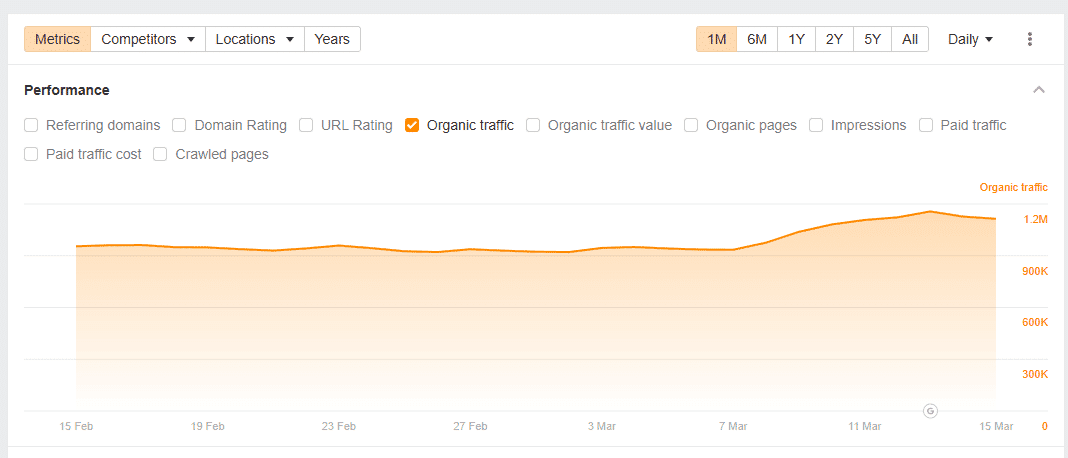
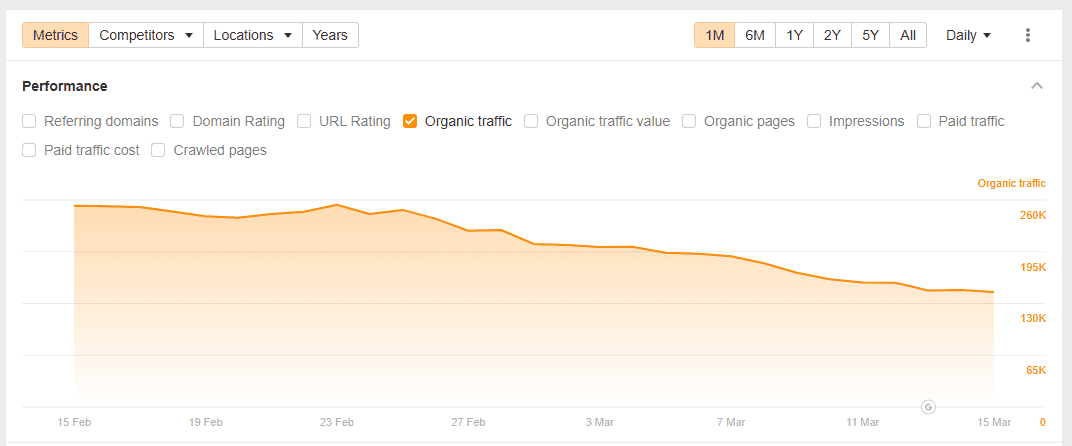
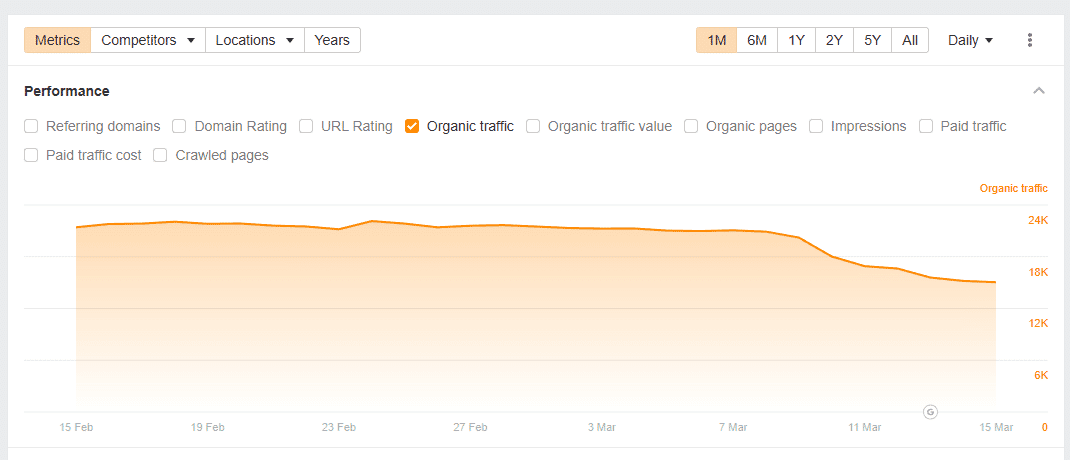
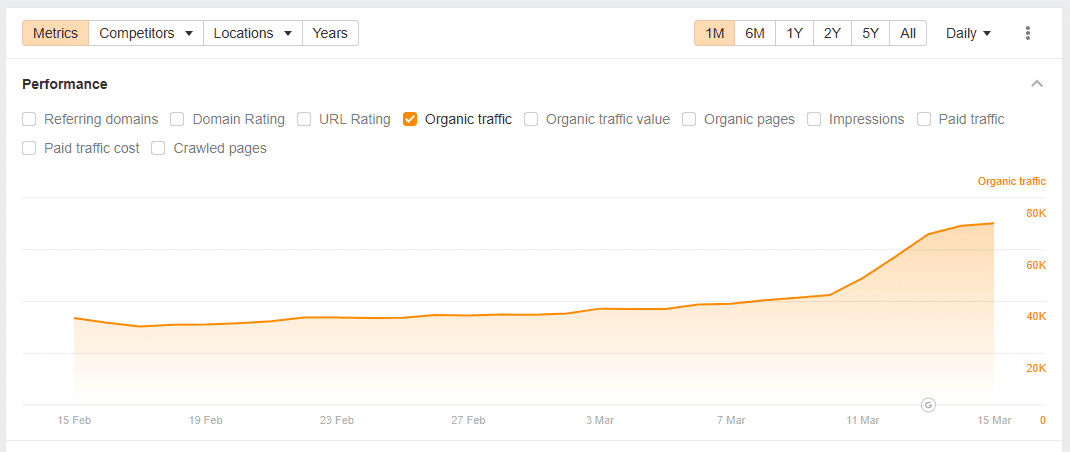
However, after reaching out to Google directly, Glenn Gabe received confirmation that the ranking movements observed before March 13 were caused by other algorithmic changes, not the core update itself.
Regarding the movement many sites saw starting BEFORE the core update (on 3/6), I reached out to Google about that yesterday to learn more. As I thought, Google explained that the core update was released when the core update was announced, so any movement before that *WOULD NOT*… pic.twitter.com/nfyMh2HHB8
— Glenn Gabe (@glenngabe) March 18, 2025
While this may not be a surprise, Gabe also reminded the SEO community that Google frequently makes smaller adjustments to its ranking algorithms that aren’t always announced.
SEO Community Reactions: Confusion and Frustration
SEO journalist Barry Schwartz asked his X followers if they were seeing volatility due to the core update. The responses were a mix of excitement, frustration, and disbelief.
Anyone seeing movement / volatility over the past few days from this Google core update? If so, please share charts in your response. https://t.co/7udrUbQgC3
— Barry Schwartz (@rustybrick) March 16, 2025
While some sites are seeing traffic spikes, others, especially small independent publishers, are expressing frustration at what they perceive as Google prioritizing AI-generated content over human-created work.
Anyone seeing movement / volatility over the past few days from this Google core update? If so, please share charts in your response. https://t.co/7udrUbQgC3
— Barry Schwartz (@rustybrick) March 16, 2025
Lots of movement for me.
After nice growth during Fem-early March, I am rolled back to January results. pic.twitter.com/5NBqrcxZZw
— Alon (@KKorvin) March 16, 2025
Traffic dropping by the minute…. We got a 96% upswing in last year in september. Before that we dropped till nearly nothing for 10 months. Before taht always high traffic. Now its as terrible as it can get…. We can follow all traffic sources on our site due to our CMS.…
— Vechtsport Info 🇳🇱 🇲🇦 🇧🇪 🇪🇺 🇬🇧 🇺🇸 (@vechtsport_Info) March 16, 2025
My traffic has been up the past few weeks, but not from Google. I get 90% of my traffic now from Newsbreak, Bing, Yahoo, Pinterest, and direct. Google traffic continues to drop – from 50,000 clicks per month to less than 100. Pathetic.
— Top Ten Travel List (@Travel_Top_Ten) March 16, 2025
It’s a disaster. Traffic is declining even more. Congratulations to @googlesearchc for taking our work’s visibility from bad to worse.
— Londinium (@londiniumsurfer) March 16, 2025
No improvement here. My traffic is still moving in the wrong direction, while AI slop and stolen content ranks above me. Google’s dishonesty gets more tiresome every day. @searchliaison
— The World Travel Guy (@aworldtravelguy) March 17, 2025
Lots of volatility but ranking coming back to normal today. This time volatility was way too high. I don’t know why redit, quora links are getting promoted though on lots of Queries
— Ankit Jindal (@ankitjindal2013) March 16, 2025
Rankings are dropping even more with this update. The only thing Google is surfacing is more Reddit
— Juha Hopeaseppä (@jusax) March 16, 2025
i’m seeing a comeback in web traffic; we’d seen a horrible downturn in traffic from feb 11th – we’re back to jan levels (which gave us a bump after the nov/dec updates)
— Sura (@notsurakazan) March 16, 2025
Who Are the Winners and Losers?
Early tracking data suggests a mixed bag of winners and losers across different sectors.
Affiliate marketing sites appear to be among the biggest beneficiaries, experiencing noticeable traffic increases.
Meanwhile, e-commerce websites are seeing both gains and losses, with rankings fluctuating unpredictably.
The news industry, particularly Google Discover, has been hit with volatile traffic swings, making it difficult for publishers to maintain stability.
Despite Google’s claims that this update will help content creators, many independent publishers remain skeptical. While some have reported modest recoveries, many are still struggling to regain lost traffic from previous updates.
Given Google’s history of updates that disproportionately affected small publishers, many in the SEO community remain doubtful about whether this update will truly prioritize original, high-quality, helpful content or if AI-generated and corporate-backed sites will continue to dominate the search results.
What Comes Next?
SEO professionals and website owners should expect continued volatility over the next two weeks as the rollout progresses.
Google has also stated that it will continue making improvements throughout the year, meaning further adjustments may come soon.
For those negatively impacted, Google’s advice remains the same:
- Focus on high-quality, original content.
- Improve user experience.
- Ensure technical SEO best practices are in place.
However, based on past core updates, recovery may not happen until the next update, and even then, there are no guarantees.
A Puzzling Update with More Questions Than Answers
Google’s March 2025 Core Update has left the SEO industry divided. While some are enjoying a nice bump in traffic, others are feeling the pinch with significant drops and no clear insight into why.
As the rollout continues, experts like Glenn Gabe, Barry Schwartz, and many dedicated SEOs will be keeping a close eye on the trend.
For website owners, it’s a time to carefully monitor analytics, adapt strategies, and prepare for any potential ranking shifts in the weeks ahead.
What are your thoughts on this Google update? Do you feel that Google is genuinely supporting content creators, or do you think this is just another shake-up that leans towards AI-driven content? We’d love to hear your perspective!

Dileep Thekkethil
AuthorDileep Thekkethil is the Director of Marketing at Stan Ventures, where he applies over 15 years of SEO and digital marketing expertise to drive growth and authority. A former journalist with six years of experience, he combines strategic storytelling with technical know-how to help brands navigate the shift toward AI-driven search and generative engines. Dileep is a strong advocate for Google’s EEAT standards, regularly sharing real-world use cases and scenarios to demystify complex marketing trends. He is an avid gardener of tropical fruits, a motor enthusiast, and a dedicated caretaker of his pair of cockatiels.
