When you manage SEO, you deal with reports filled with charts and numbers month after month. Some of them look encouraging at first glance, but with time, you start to see the gap between what appears to be progress and what actually helps the business grow.
A metric might rise steadily, yet nothing meaningful changes in conversions, rankings, or revenue. It creates the feeling that activity is happening, even if the impact is minimal.
This article looks at those familiar metrics that tend to attract more attention than they deserve. It also shifts the focus toward the signals that genuinely show whether your SEO work is moving the business in the right direction.
What Are SEO Vanity Metrics
Vanity metrics are numbers that seem impressive but don’t say much about performance.
They’re easy to showcase in presentations, and they often create the impression of improvement.
The issue is not that these metrics have no value at all; it’s that they rarely connect to the outcomes the business ultimately cares about.
They can also mislead teams. When decisions are shaped around these surface-level numbers, the real opportunities and sometimes the real problems stay hidden.
The Top 10 SEO Vanity Metrics
Below is a clear look at the metrics marketers often rely on, even when those metrics don’t reveal true progress.
If you only have a minute, this table breaks down what to ignore and what to track.
VANITY METRIC | WHY IT MISLEADS | ACTIONABLE ALTERNATIVE |
| Domain Authority (DA/DR) | Third-party estimates not used by Google; inflating the score doesn’t improve rankings. | Topical Authority & Relevant Backlinks (quality, context, and referral traffic) |
| Impressions | Visibility can increase even when clicks and engagement don’t; often inflated by low-intent queries. | Clicks & CTR (especially for non-branded terms) |
| Total Backlink Count | High quantity often comes from irrelevant or low-quality links; can be ignored by Google. | High-Quality Backlinks / Unique Linking Root Domains |
| Number of Ranking Keywords | Many ranking keywords have zero-commercial value; agencies inflate this metric easily. | Share of Voice for Commercial Keywords |
| Social Shares | Virality doesn’t influence rankings; shares rarely translate into search performance. | Traffic-to-Lead Ratio from Social Channels |
| Bounce Rate | High bounce is not always negative; users may be satisfied and leave quickly. | Engagement Rate (GA4) / Dwell Time |
| Average Session Duration | Long time on site may indicate confusion, not engagement; lacks intent context. | Scroll Depth, Events, Interactions |
| Pageviews | Can be inflated by irrelevant traffic, bots, or clickbait; doesn’t reflect true engagement. | Users vs. New Users (focus on people, not page loads) |
| Followers / Subscribers | Looks impressive but has no direct SEO impact; doesn’t translate into rankings. | Branded Search Volume |
| Unsegmented Total Traffic | A single high-traffic blog post can skew numbers; masks what actually converts. | Qualified Organic Traffic to High-Intent Pages |
1. Domain Authority / Domain Rating
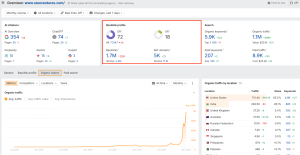
These scores have become shorthand for a site’s “strength,” so it’s understandable that teams monitor them closely. But DA and DR are not used by Google, and they don’t directly influence rankings. A site can have a high score and still struggle to rank for competitive or commercially important terms.
What to Track Instead: Referral Traffic From Quality Backlinks
Track how much qualified traffic your backlinks actually send to your site. This gives you a clearer picture of which links contribute real authority and value.
2. Impressions
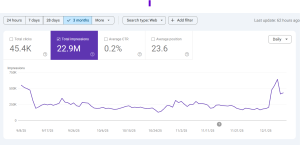
Impressions rise easily in Search Console. Google might test your page for a broad query or surface your content in a low-intent SERP feature.
A surge in impressions can create the illusion of growth, but if clicks don’t increase, nothing meaningful has changed. You’re simply appearing more, not being chosen more.
If impressions spike but clicks stay flat, you might be ranking for unrelated, high-volume keywords that don’t convert.
What to Track Instead: Clicks and CTR
Track whether users are choosing your result through clicks and click-through rate. This gives you a clearer picture of meaningful search visibility and engagement.
3. Backlink Count
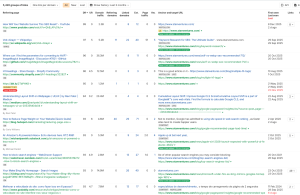
Backlink quantity is one of the oldest vanity metrics in SEO. “We built 500 new backlinks this month” sounds great on paper. But in reality, link totals tell you almost nothing about authority.
Google’s Penguin system and SpamBrain actively ignore (or penalize) spammy link profiles.
What to Track Instead: Unique High-Quality Linking Domains
Track the number of relevant, authoritative domains linking to your website. This gives you a clearer picture of your true link strength and credibility.
4. Number of Ranking Keywords
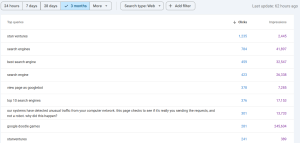
It’s easy to feel encouraged when a site begins ranking for dozens or hundreds of new keywords. But if those keywords aren’t tied to your audience’s needs or your business goals, they may not drive any meaningful traffic.
What to Track Instead: Visibility for High-Intent Keywords
Track your rankings and visibility for commercial, high-intent search terms. This gives you a clearer picture of how well you perform where revenue is influenced.
5. Social Shares
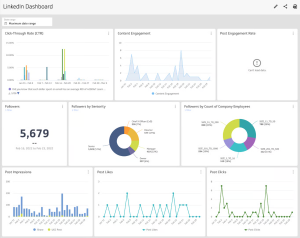
A blog post with 10,000 shares on LinkedIn looks like a win. But SEO-wise, it’s not.
Social shares are not a Google ranking factor. Truth be told, you can go viral and see zero search performance improvement.
Where social activity matters is when it leads to brand visibility, stronger awareness, or earned links. The share count itself is just a number.
What to Track Instead: Social Traffic-to-Lead Performance
Track how social visitors behave after they land on your site, especially whether they convert. This gives you a clearer picture of whether your social content attracts qualified users.
6. Bounce Rate
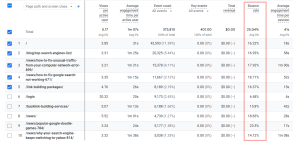
Bounce rate often causes confusion because it doesn’t reflect the full story. A high bounce rate might look concerning, but it could simply mean users found the answer they needed and left. It doesn’t always signal poor content or poor UX.
Without understanding the intent of the page, bounce rate alone offers limited insight.
What to Track Instead: Engagement Rate
Track how often users interact meaningfully with your page using GA4’s engagement rate. This gives you a clearer picture of actual satisfaction and intent completion.
7. Average Session Duration
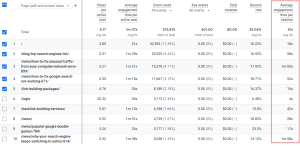
Time on site sounds like a meaningful metric, but it doesn’t consistently reflect user satisfaction. People might stay longer because they’re confused or struggling to find what they need.
Google also doesn’t use this as a ranking factor. What matters more is whether users interact with your content in ways that support their next step.
What to Track Instead: Scroll Depth and Event Interactions
Track whether users scroll through your content and interact with key elements. This gives you a clearer picture of how deeply they engage with your page.
8. Pageviews
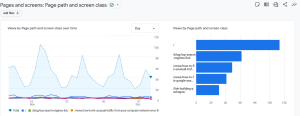
Pageviews can climb even when SEO performance is stagnant. Maybe a blog post went semi-viral, or traffic came from an unrelated source. High numbers can create a sense of momentum, but they don’t necessarily correspond to higher-quality traffic or stronger rankings.
The important question is whether the right pages are being discovered by users with the right intent.
What to Track Instead: Users and New Users
Track how many people land on your site and how many are discovering you for the first time. This gives you a clearer picture of audience quality and growth potential.
9. Followers/Subscribers
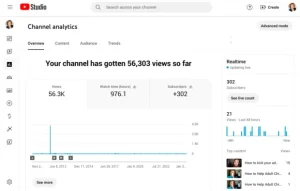
Large follower counts look impressive, but they don’t influence search performance. You can have a massive social audience and still struggle with organic visibility.
Followers contribute to SEO only indirectly, through brand recognition or content that sparks external mentions. The raw number isn’t meaningful on its own.
What to Track Instead: Branded Search Volume
Track how often users search for your brand or product name in Google. This gives you a clearer picture of real market awareness and trust.
10. Unsegmented Traffic
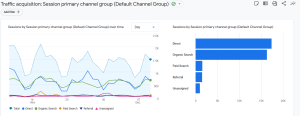
Total traffic is one of the most misused numbers in SEO. It rises, and everyone feels optimistic, but the increase might have nothing to do with the content or pages that matter for conversions.
Traffic only becomes truly valuable when it’s segmented by landing page, intent, and business impact.
What to Track Instead: Segmented High-Intent Traffic
Track traffic based on landing pages tied to intent, such as product, service, or conversion-focused pages. This gives you a clearer picture of which visitors actually support business goals.
The “New” Vanity Metric of 2025: AI Overview Rankings
One more trend has joined the list of vanity metrics: showing up in Google’s new AI Overviews.
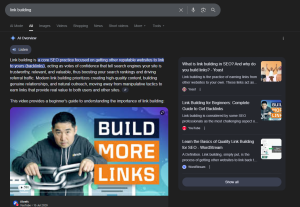
It’s easy to get excited when you spot your brand inside an AI-generated answer, but these placements are incredibly unstable.
You might appear for one person and vanish an hour later for someone in the same city. And even when you do show up, most of the visibility rarely turns into clicks because the AI already gives users the full answer.
It’s helpful when it happens, but it’s not something you can rely on or use to predict meaningful traffic. Think of it as a bonus, not a metric that proves SEO success.
Why These Vanity Metrics Can Be Harmful
Relying on vanity metrics can steer teams toward the wrong priorities. Decisions may be made to “improve the numbers” rather than improve the business. Reports might look positive while underlying issues go unnoticed. And because these metrics often fluctuate easily, they can create the false impression that the strategy is working even when it isn’t.
Over time, this leads to wasted effort and missed opportunities.
What Actually Matters in SEO
The most meaningful SEO metrics look beyond surface-level activity and focus on outcomes.
These include improvements in organic revenue, stronger rankings for key commercial terms, better indexing, healthier technical performance, and proof that users find your content helpful and trustworthy.
When these elements improve, SEO results follow. They represent the parts of the strategy that have a long-term impact and reflect the actual value of your work.
How to Shift Your Focus
Making this shift starts with rethinking the purpose behind your reporting.
Instead of showcasing numbers that simply look good, highlight the metrics that demonstrate real progress. This might mean updating dashboards, aligning expectations with stakeholders, or narrowing the set of metrics you monitor.
The goal is not to track more data, but to track the right data.
To Wrap Up
SEO doesn’t improve because a dashboard is full or the numbers look impressive. It improves when the work behind those numbers makes the content more useful, the site more trustworthy, and the experience more aligned with what users need.
By stepping away from vanity metrics and focusing on indicators that reflect real business impact, your SEO strategy becomes clearer, your decisions become stronger, and your results become easier to measure in meaningful terms.
Key Takeaways
- SEO vanity metrics often look impressive but rarely reflect real business impact, which is why relying on them can easily lead teams in the wrong direction.
- Numbers like impressions, pageviews, and keyword count can increase without improving conversions or revenue.
- A high-quality backlink from a relevant, trustworthy source is far more valuable than a large number of low-quality links.
- User-focused signals such as engagement quality, content helpfulness, and technical stability give a clearer picture of actual SEO progress compared to surface-level metrics.
- Prioritizing business-aligned KPIs instead of vanity metrics leads to better decisions, stronger strategy, and more measurable long-term growth.

Zulekha
AuthorZulekha is an emerging leader in the content marketing industry from India. She began her career in 2019 as a freelancer and, with over five years of experience, has made a significant impact in content writing. Recognized for her innovative approaches, deep knowledge of SEO, and exceptional storytelling skills, she continues to set new standards in the field. Her keen interest in news and current events, which started during an internship with The New Indian Express, further enriches her content. As an author and continuous learner, she has transformed numerous websites and digital marketing companies with customized content writing and marketing strategies.
